Thoughts + questions:
Clean Rivers Trust is about to consider the set of issues outlined below:
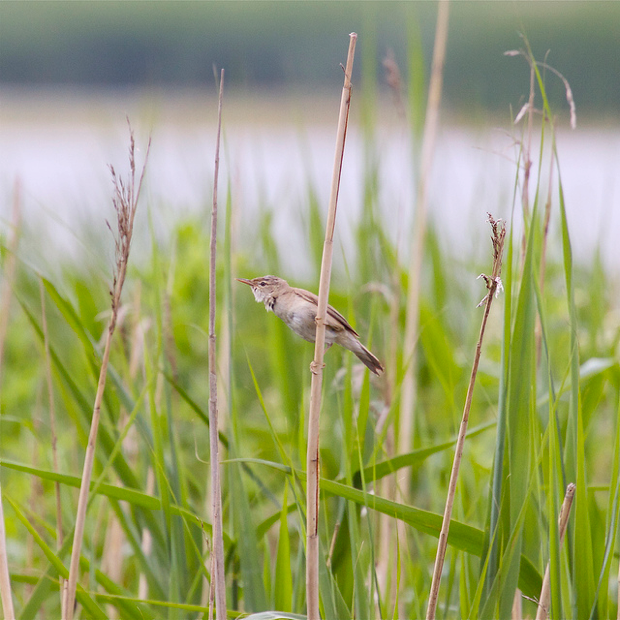
Interesting to look at the formation of carbon deposits in pre-history (the history of carbon in the atmosphere) – how carbon was originally locked away by plants in wetlands forming sedimentary deposits.

Could discuss the issue of carbon + various mechanisms to reduce CO2 levels – show the case why other methods (reduce energy use, use of low-carbon alternatives) may not work or may be too expensive. Look at success of other options and extent of solutions needed to address the issues – or look at combination of approaches of which blue carbon is one
Where is carbon in the atmosphere coming from + where is it going to?
Does blue carbon only address CO2 – what about the other GHG?
Carbon lifecycle for Blue Carbon projects. How much carbon is released to build a blue carbon eco-system?
What is the rate at which blue carbon absorbs CO2 – can it be done at sufficient scale and in the right timeframe to make a difference? What does the lifetime carbon absorption profile look like – does it absorb carbon at the same rate or more at the start; does it peak? Does it start releasing back carbon when it dies naturally?
What is the impact on CO2 rise/global warming on existing/new blue carbon sinks? What happens to existing wetlands under extreme heat/drought/wind/rain/storms, etc? Will changes in weather patterns negatively or positively impact on existing/new schemes?
Can blue carbon schemes also be used to provide energy as well as locking away CO2? Can you grow fuels?
What is impact of additional wetlands on using the same area for food crops/living space? The biggest issue is probably population growth and running out of space – won’t blue carbon compete with other needs? Can you combine blue carbon with buildings (e.g. houses on stilts)?
Is it possible to have distributed blue carbon – e.g. small back-yard schemes in every building, maybe combined with reed beds for water processing. What size scheme do you need to offset carbon from typical buildings (houses, schools, offices, hospitals, airports…)?
Comment.
The possibilities that Blue Carbon and its inland counterpart throw up are amongst the most vital issues that might be comprehended in the next decade. The abilities to develop carbon capture or sequestration locally and at low cost whilst creating amenity and green space has the potential to revolutionise the greenhouse gases debate and change the way we live. That is not so much the moral or ethical manner but the issues of where we live, our infrastructure and architecture. The possibilities of dramatic design shifts in urban planning and the appraisal of contextualised design altering the perception of waste generally. Such as we today look at much of the green waste disposed of in urban environments as at best a fuel recovery option; in future planning such by-products of urban life may play a role as a building block of its sustainable survival.