The Environment Agency Chairman Chris Smith has underscored the possibility that global warming is changing weather patterns across the UK, as is apparently true for the whole planet. The Arctic ice is melting; the glaciers across the world are being reduced in size or disappearing altogether. Not good news for man or beast; plants or anything else. Extreme weather is what the Meteorological Office forecast into the future for the whole of Europe and beyond.
High wind, flooding, drought all give rise to increased risk of famine and pestilence. The fear of lack of water at times of agricultural need and flood at harvest is a vision of British weather last year (2012), the concern for this year is likely for continued high rainfall through summer and autumn which would damage arable farming returns markedly. The UK needs to develop a surety of planned help for farmers, especially in the areas of low rainfall when the rains cease and the droughts return. The creation of farm scale reservoirs of water need to be addressed with some granted aid to ease the burden of this sort of investment.
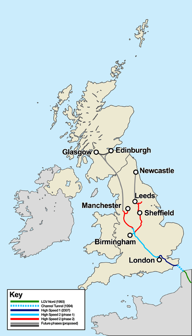
This is an increasing concern, especially for the south-eastern corner of England, a growing population with expansion by up to 35% by 2030, the water supply is carefully managed at the moment and water companies are only just managing to meet the required water volumes that are needed. There are plans for new major reservoirs and the possible further development of desalination plants to meet shortfalls in the interim years; there is though a need to revisit the major planned water grid infrastructure that were put forward in the 1890s and early 1900s; the cost then precluded such works, today may be the investment may be found so as to allow value added benefit from the planned new high speed rail link to the North of England where reliable and abundant water may be sourced. The scales of expenditure could be halved for the civil engineering aspects of both projects if the schemes could be allowed co inhabit the same route above and below ground.
As Chris Smith warns; this country needs to prepare itself for its weather to fluctuate and infrastructure needs to be put in place with due urgency. The flood prevention program is being rolled out selected vulnerable coastal areas of the nation; several inland cities and towns are also being targeted for flood alleviation schemes, there is also, and in many ways these are more important schemes: managed retreat at the coastal areas willing to be so treated along side increasing wetland and floodwater retention projects that can hold up river surge waters and allow them to dissipate over longer periods of time after risk of flood has abated.
There is a lot to do in a limited amount of time.
Harvey Wood.