The problem.
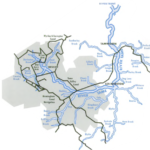
Since November 2022 Whitehaven Harbour has been subject to a gross pollution of iron rich water entering the Queens Dock via the culverted Bransty Beck which flows out to sea via the historic harbour. The pollution enters the beck via a drain in the railway tunnel that travels beneath the town. The pollution drains from abandoned coal mine workings several of which were encountered at the time of the tunnel’s construction, 1849 – 1852. Since at least 1948, when the tunnel was relined, the mine drainage entering the tunnel has been controlled within the tunnel and the water drainage system. The mine drainage has never been recorded as a problem in the harbour until two years ago.
Whilst researching the pollution problem we have learnt that the railway tunnel drain was, prior to the COVID pandemic, cleaned of iron hydroxide sludges from the drainage system and the adit going away from the tunnel and linking it to the Bransty Beck. The reason this cleansing ceased would appear to be that there were scheduled works (2019/20) to put new track bedding in place and improve the drainage. This work never was carried out. The person whose job included cleaning ochre from the drain retired from the railway C.2021. The lack of drainage maintenance may be rectified to allow better quality water to enter the Bransty Beck and harbour. This though may now be inadequate as it may be inferred that due to ground/mine drainage changes the volume of polluted water entering the tunnel has increased markedly.
The present drainage entering the railway tunnel is entering from a possible three points (Network Rail video). The water, as it enters the tunnel, starts to deposit iron out of solution. The water is acidic as it enters the tunnel and as it meets the track bedding, which is made up of limestone ballast that acts as an aerobic limestone drain neutralising the water. By the time this water drains to the adit linking to the Bransty Beck it is regaining acidity due to it’s sulphide chemistry. The limestone has ceased to be of value in removing the ochre polluted water now reaching the harbour.
Short term measures.
Low cost.
The replacement of the limestone used as track bedding would encourage the iron that is held within the minewater entering the tunnel and the cleaning of the drainage sump and passage (adit) to the Bransty Beck. Problems of increased pollution entering the beck and thence the harbour might be managed by entering the beck culvert close to the harbour and removing iron nodules and other encrusted material. The cleaning of the drain would need to resume and not neglected.
Once such work is carried out within the tunnel the pollution may be reduced, but if the volume of minewater entering the tunnel has increased the problem may continue even if it is not quite so violently coloured at the outset. This though is not a sustainable option for the long term.
Higher cost.
The pollution could be brought to a quick temporary conclusion using a trailer-based treatment scheme such as may be supplied by Siltbuster or similar companies. These mobile arrangements of tanks could operate on land adjacent to the railway station at Whitehaven. The water pumped from the tunnel to the treatment installation and clean water sent via the surface water/sewer drainage system to the Whitehaven Sewage Works. This would need the agreement of United Utilities. As the local water treatment utility, they would require payment by either fixed fees or by volume. Verbal communication with United Utilities demonstrated they were not sure if they wanted to greatly increase volumes of water, especially minewater, through their wastewater treatment works or even be involved in any part of the project.
Costs: £2 million to have a tank configuration put in place for two years plus ochre sludge disposal costs and waste licences from the Environment Agency. Ancillary costs would include electricity supply and security fencing, plus planning agreements.
Long term solutions.
At present there are three minewater treatment schemes operational in the West Cumberland Coalfield. They are at Lambley near Brampton, Ewanrigg near Maryport and Great Clifton outside Workington. All are small passive treatment sites that are similar to what might be envisaged to be used to treat the minewater entering the Whitehaven railway tunnel.
A passive system usually requires aeration by gravity, lagoon, and wetland treatment before discharge. The sites require care, management, and maintenance on an ongoing basis. At present all minewater issues both coal and metalliferous are manged by the Mining Remediation Aurhority (old Coal Authority). The coal derived minewaters being their liability as they are responsible for environmental degradation caused by the coal industry whilst metals derived minewater is funded by a number of bodies including DEFRA and the Welsh Government.
Each minewater treatment scheme needs to be designed to suit the individual pollution. There may be similarities between sites but the variation in local geology needs to be considered when designing a treatment works for the long term. The Whitehaven polluted water would likely require a very similar treatment as has been put in at Ewanrigg and Great Clifton only a few miles to the northeast.
A minewater treatment facility needs to be placed as close to the source of the pollution source. This is because the pumps and pumping lines can get blocked by iron precipitate. In such cases a solid object or pig needs to be sent down the pumping line to keep it free flowing.
Depending on data collected by network rail regarding pollutants and volume a site yet to be selected would likely have a pair of settlement lagoons take the initial flows of water one at a lower level than the other allowing for oxygenation of the water by a stepped weir between the two lagoons. Another would lead from the second lagoon to a wetland. Ideally there will also be an ochre drying bed constructed close by for the waste ochre from the ponds to be dewatered before removal from site.
It may be possible that the treatment site may be able to be located outside of Whitehaven Station, but it is possible that such a treatment plan does not fit in with the local authority’s desire to protect the scenic coastline. The wetland would then be discharged to surface water with an agreement with the Environment Agency in place. In this instance the decontaminated water could be discharged into the Bransty Beck or other surface water such as the sea.
Such a scheme would require permissions and go through a period of public consultation. These permissions would include local authority planning permission, Department of Transport agreement, Environment Agency discharge consents and possibly waste handling licences dependant on who was to run the minewater treatment works. To run a pipe within the railway tunnel side and if a pipe needed to pass beneath the track bed would require permissions and agreements from Network Rail, even if they themselves were to install the pipeline. The costs would likely to be recouped from one departments budget to another but would need to be found initially.
A set of lagoons and wetland to treat metalliferous minewater at Nent Haggs in Cumbria was put in place this year (2024) after planning and building works were initiated in 2018. The cost being £9 million (DEFRA).
If the local authority objected to the scheme being placed close to the station the other location would require the treatment works to be set beyond the built-up area of the town and off the New Road. (A5094). Locations for a treatment works may be suitable at 1- and 2-miles distance from the minewater source in the tunnel.
Such an option would have substantial repercussions for the cost of the scheme with pipeline laying costs in excess of £150 per metre (AI Intelligence) and £600 per metre (United Utilities). Increased pump costs, including size and power consumption would need to be factored in alongside the Highways Agency and Local Authority fees. The requirement of land, purchase or lease would also be needed to be included in the equation of costs along with the fees of the several consultants needing to be involved at the several stages of the scheme..
The total target cost would be in the region of £16.5 to £20 million.
Notes.
A full breakdown of a budget is impossible to achieve without discussions with various companies and the support of other members of the Task Force.
This brief was produced at the request of Josh MacAlister OBE MP on the 12th November 2024.

Appendices.
Current West Cumberland Coalfield Minewater Treatment Works.
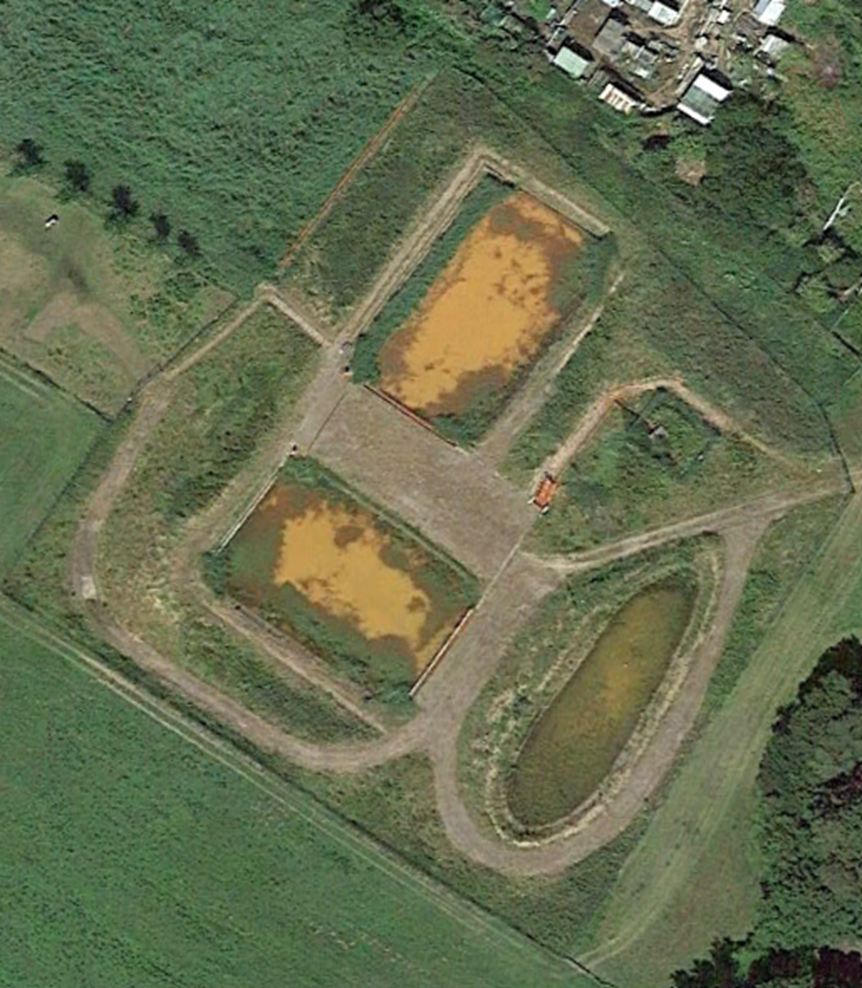
Ewanrigg, Maryport.
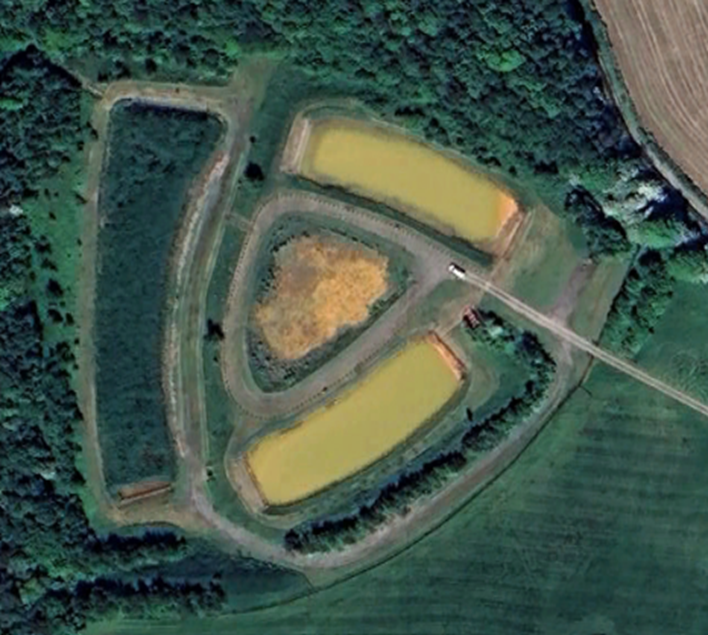
Great Clifton, Workington.
New Metal Mine Treatment Works.
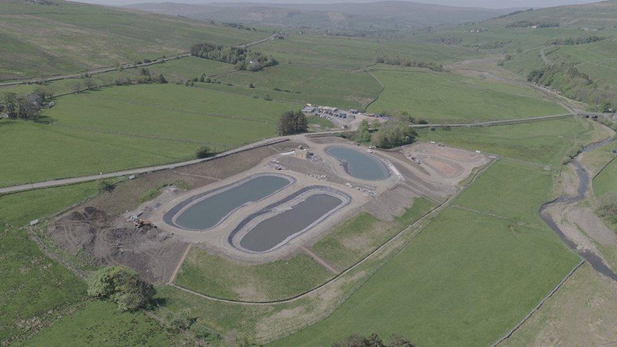
Nent Haggs.