The trial to use phytoremediation of an acidic tar pit at Cinderhill started in 2018.
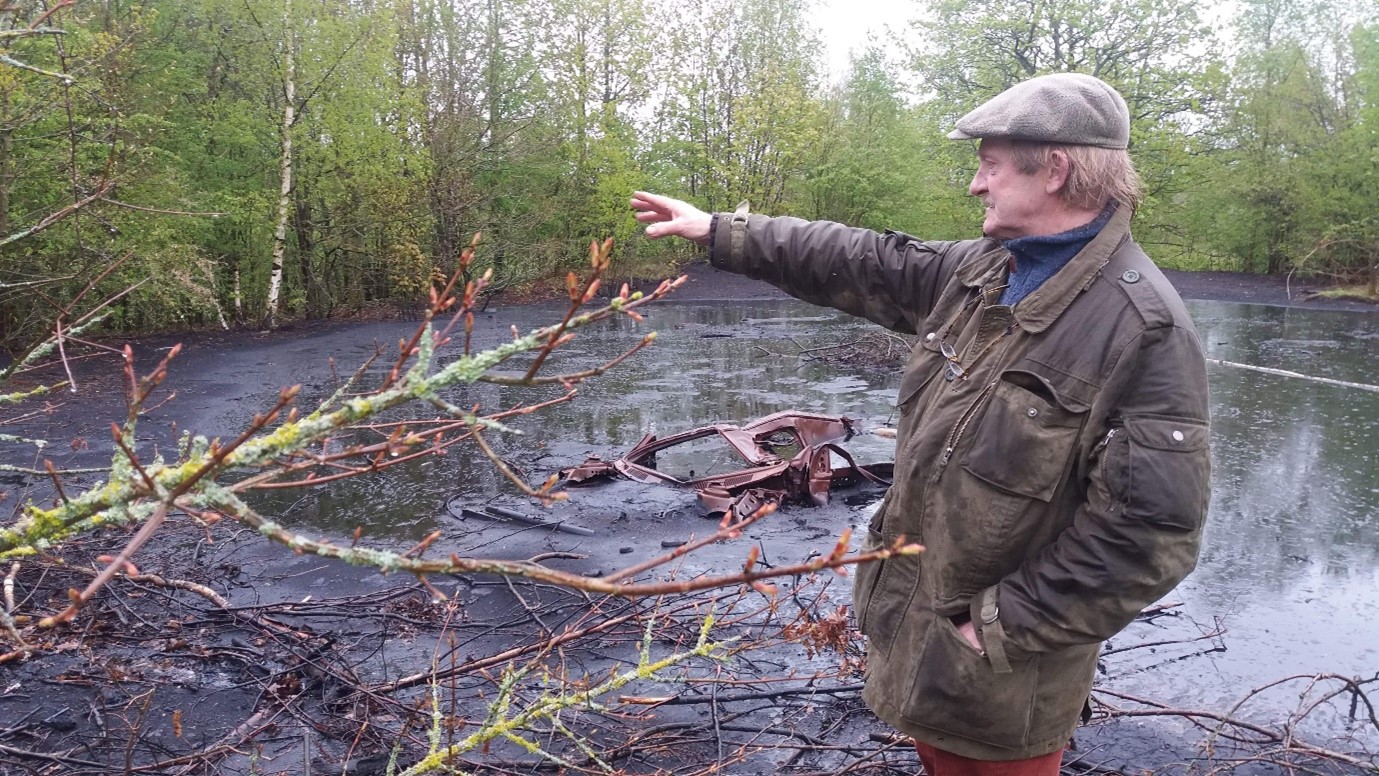
Explanations outlining the project were not easily believed as the site has not shown much change from when it was created in 1978.
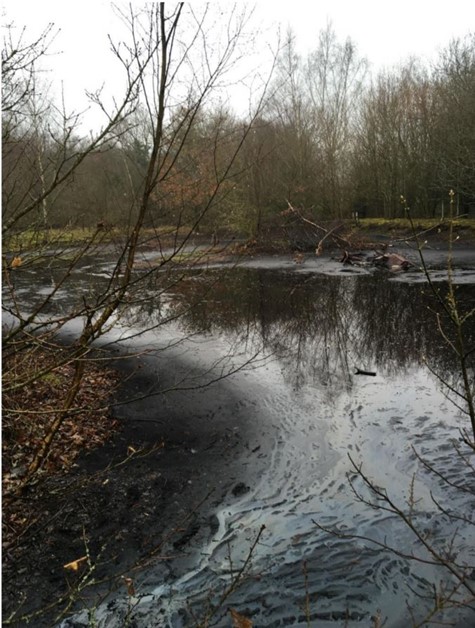
The runoff from the tar was highly acidic (pH1) and flowed towards a tributary of the Bottle Brook a major stream in the River Derwent catchment. 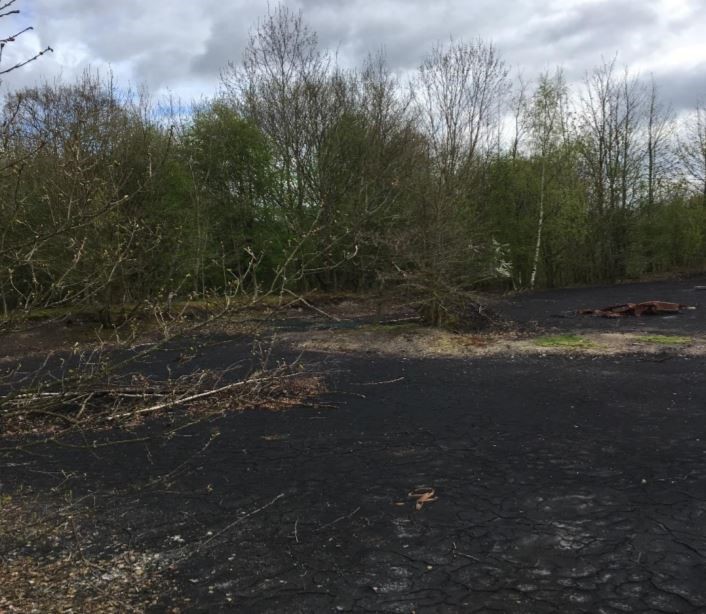
The tar allowed on to walk quickly over the surface but started to encase your boots if you stayed still for a few minutes.
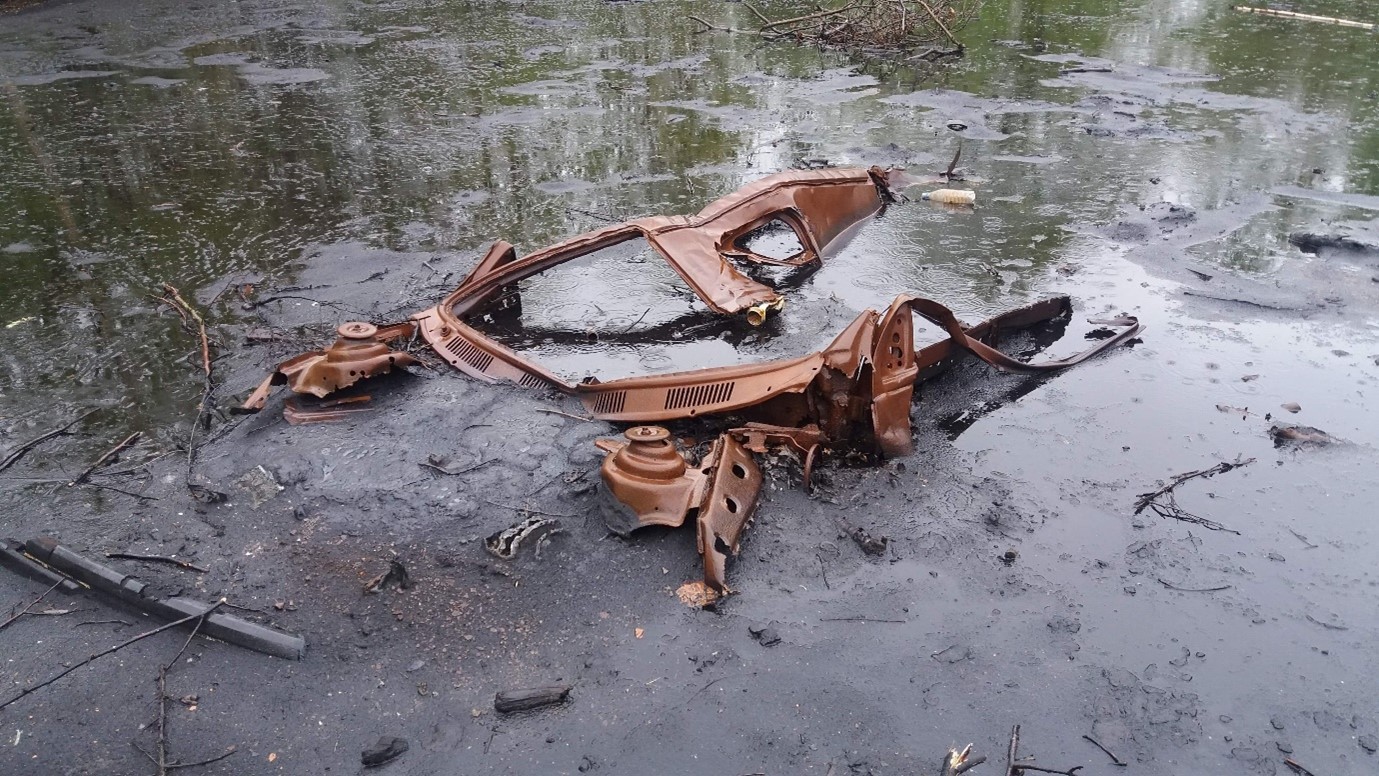
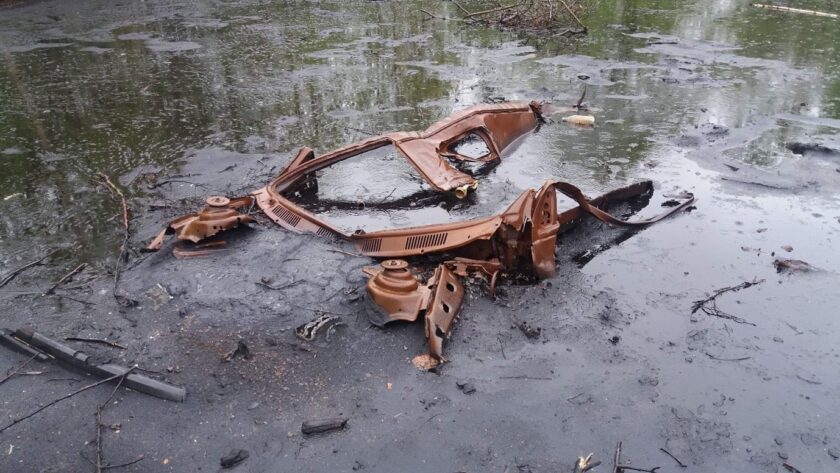
A car driven on to the tar in the 1990s that was then set alight, one of several such vehicles that were lost into the tar at that time.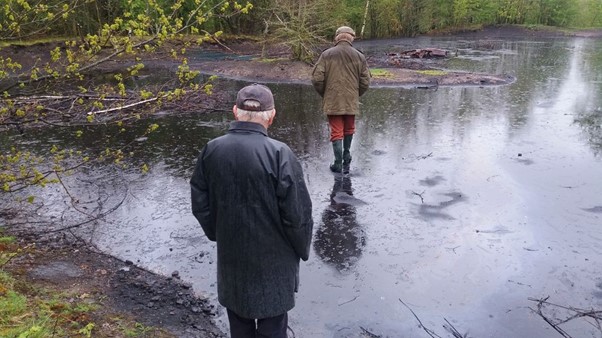
The rain falling created an acid lake. No flora or fauna entered what was a killing zone. Around the edges the remains of many snail shells lay dissolving into the tar surface. Animals such as dear, foxes and badgers avoided crossing the site.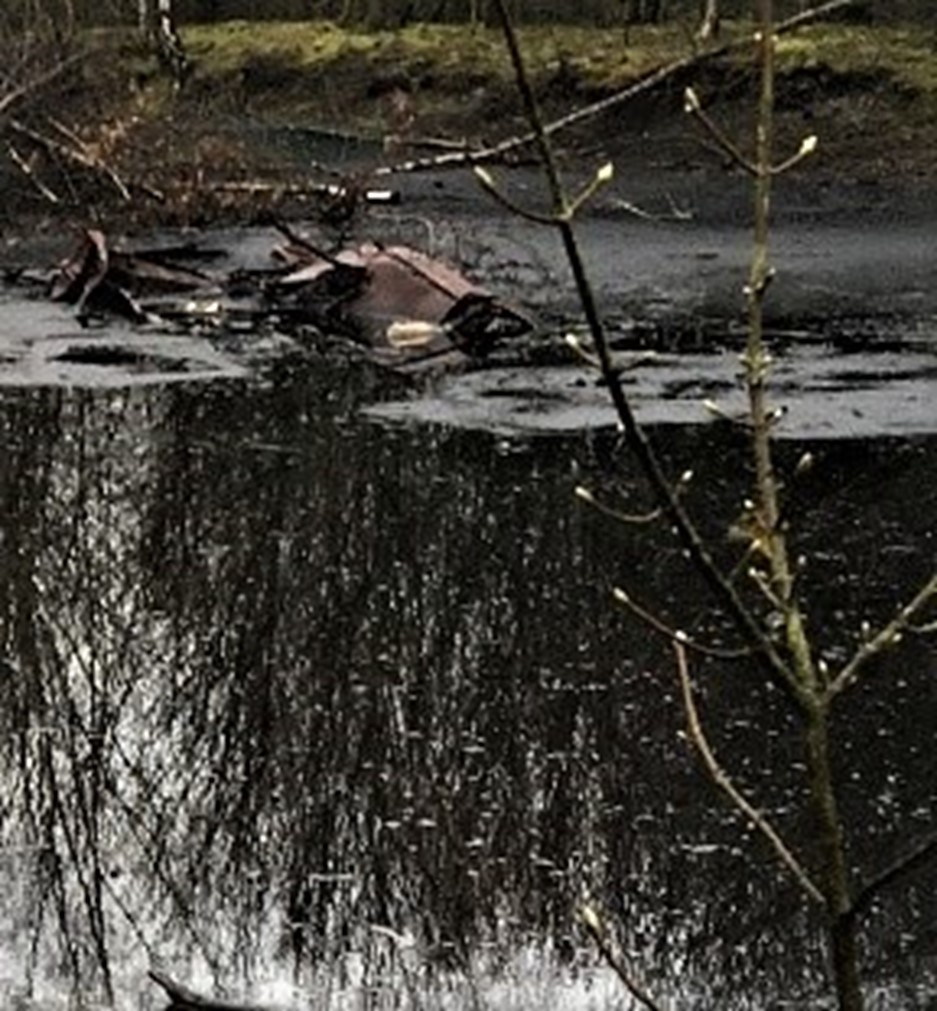
Even wind-borne leaves were broken up, turning to dust by the acidic conditions and blew away on the breeze.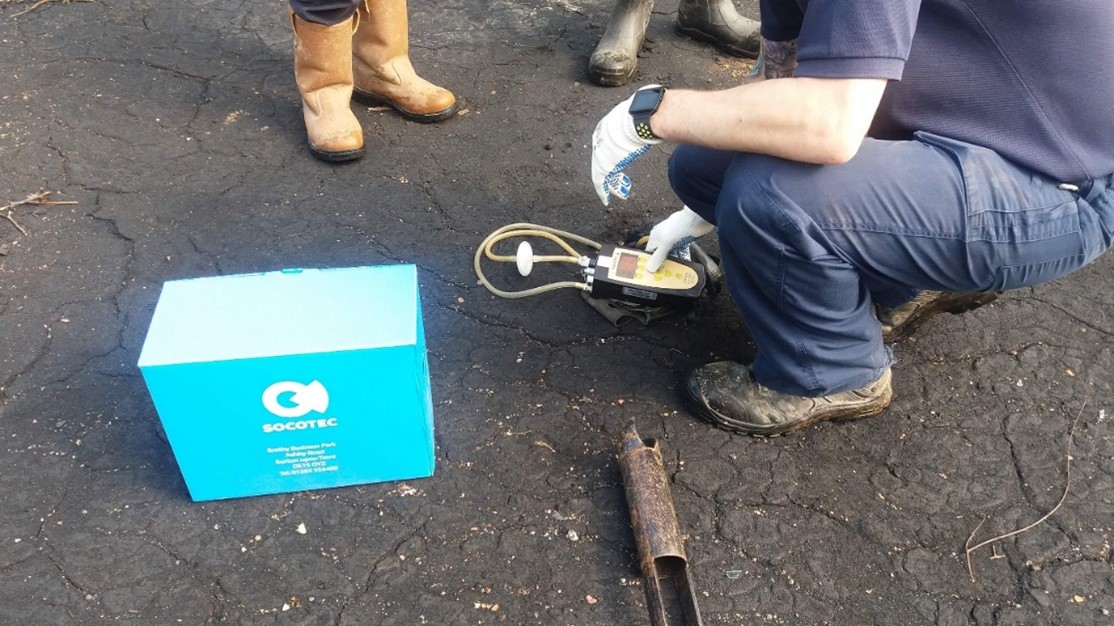
We knew that gases were coming off the tars on site, these were sampled and the findings allowed for risks to be assessed and safe working practices developed.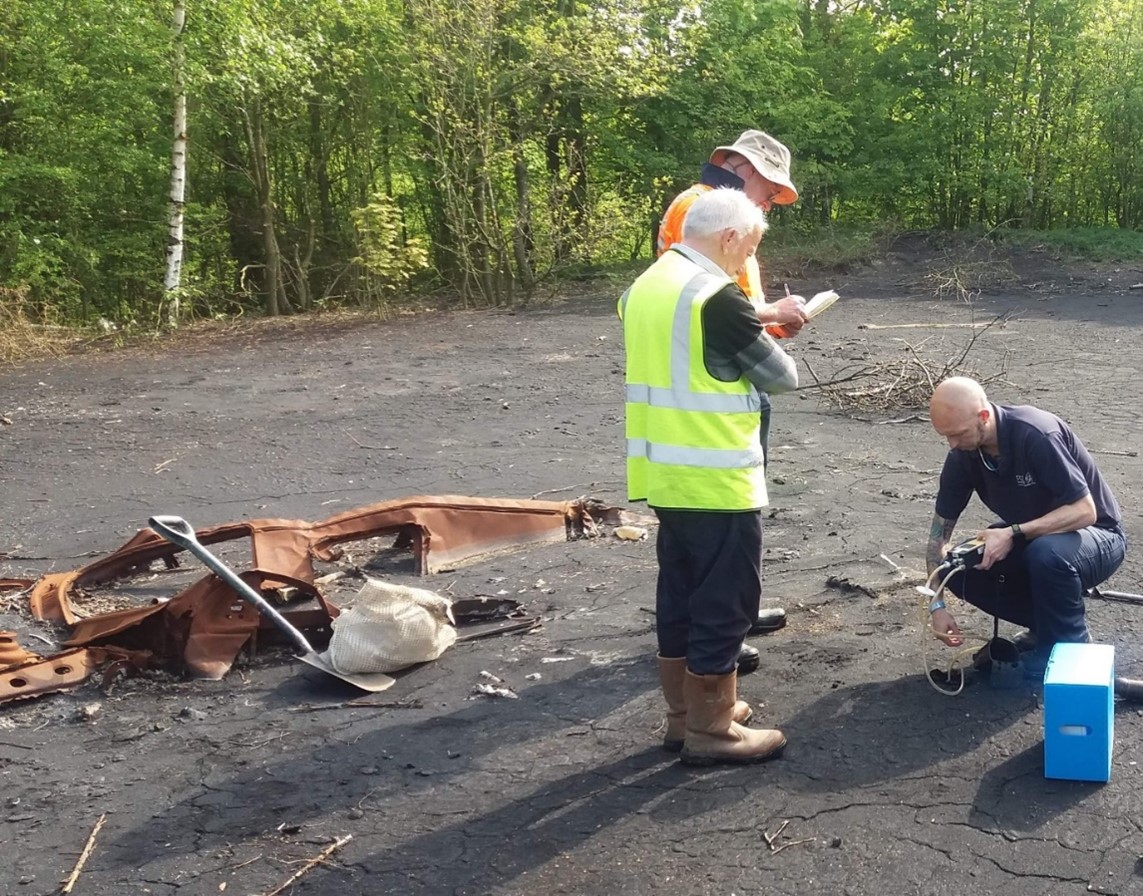
We have been fortunate to have had access to some of the leading expertise in all areas risk and hydrocarbon chemistry. The plan to grow willows on the surface of the tar was initially greeted with some disbelief.
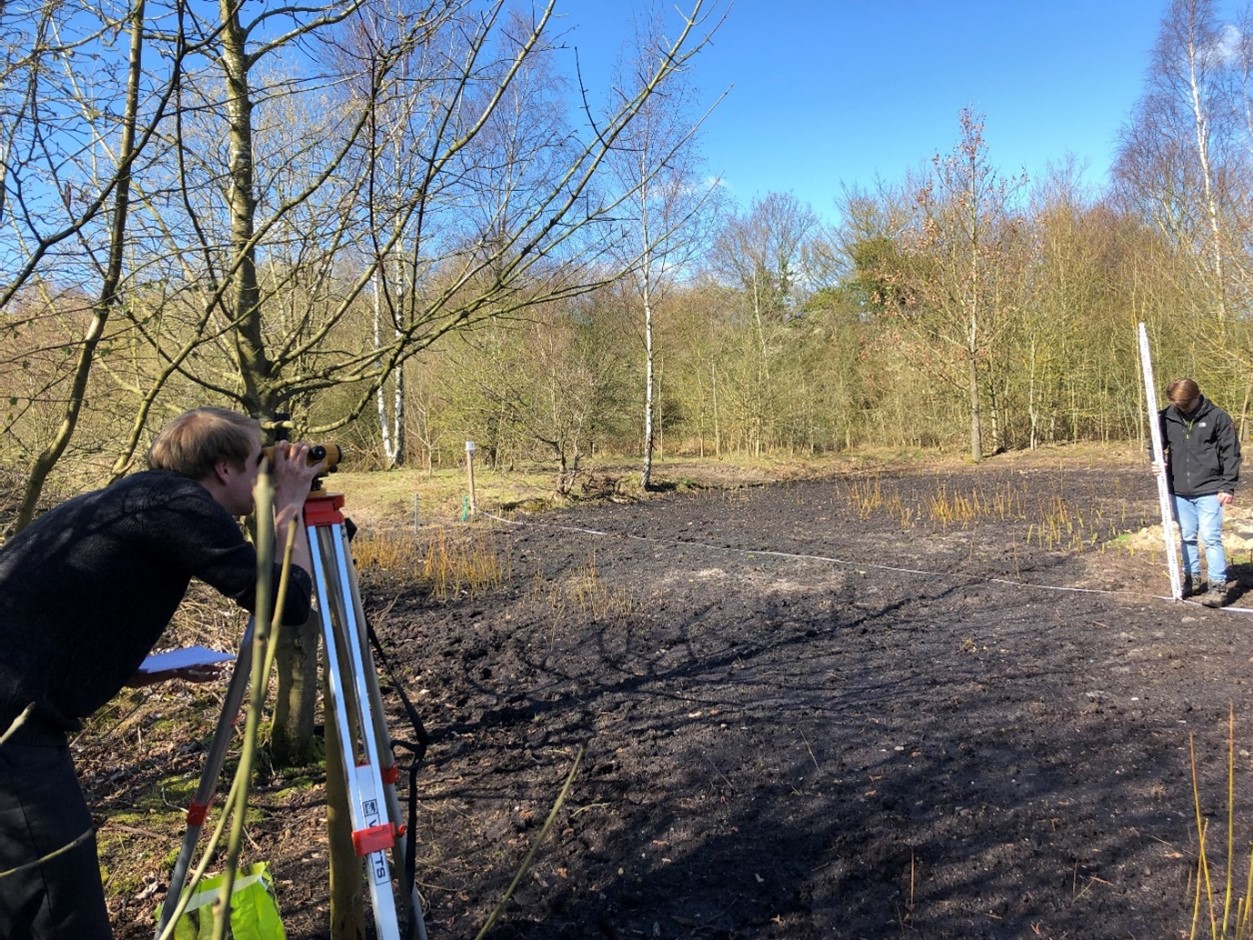
University of Nottingham carried out a full independent survey of our work over the past 2 years. Taking survey data.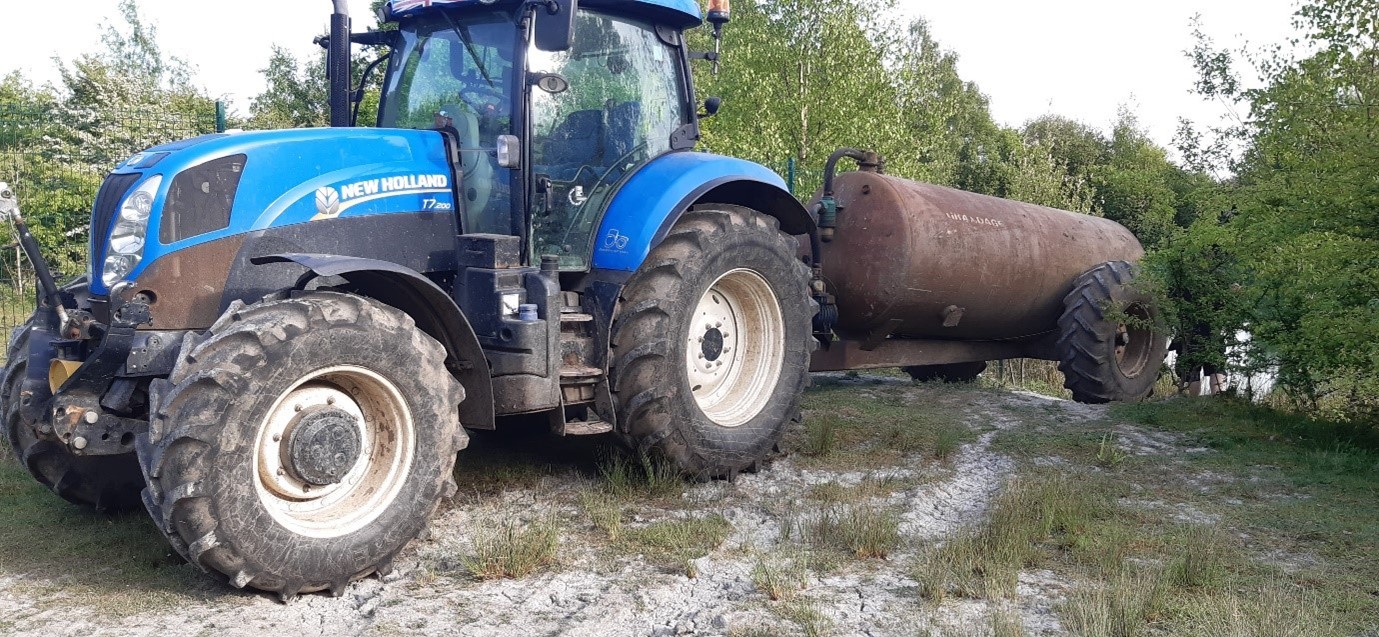
The drought of 2018 saw much need to water the young willows. This entailed putting around 20 tons of water several times a week. This even then did not stop the willows suffering, many being cooked on the surface,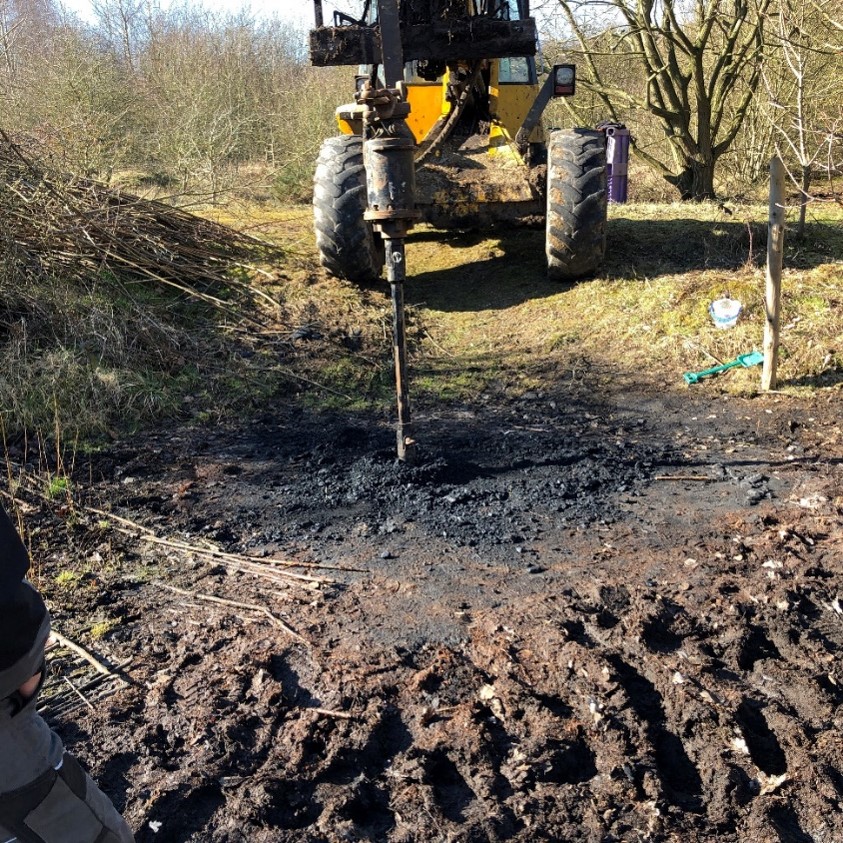
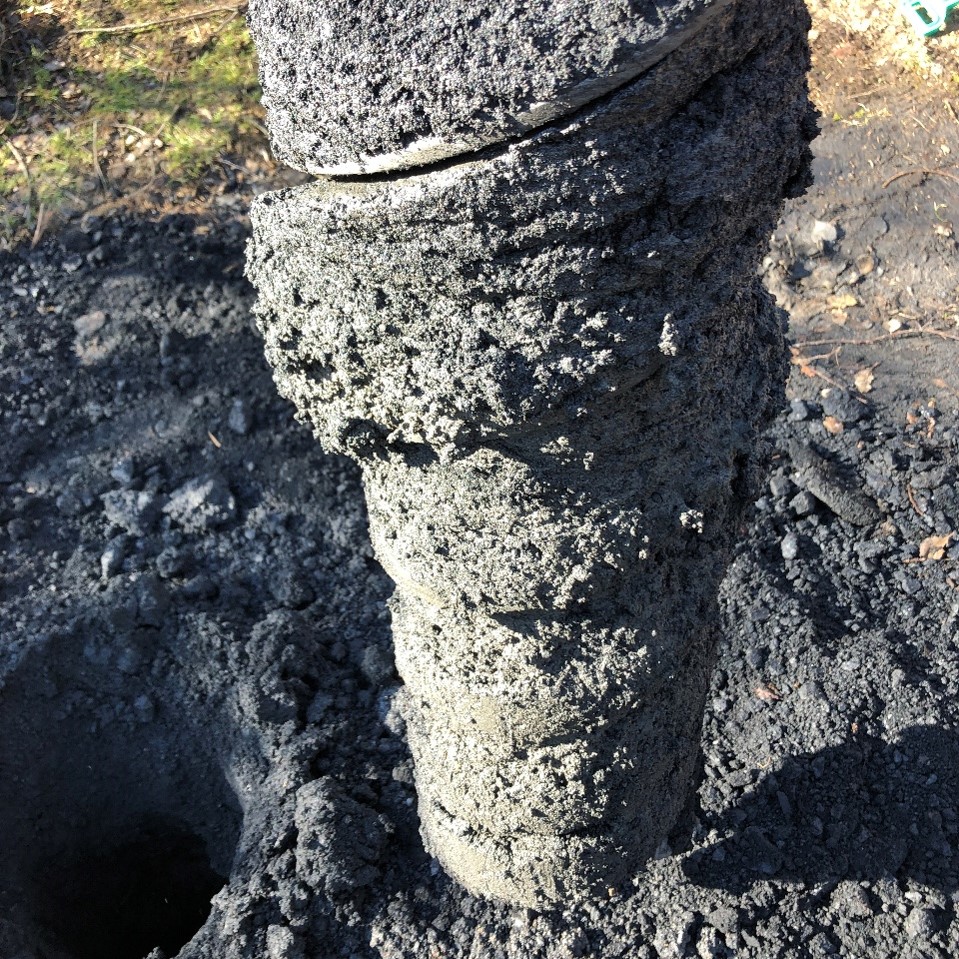
The need to understand what lay beneath the tar surface required boreholes to be driven through the tar, we managed to access the depth of the site to 5 metres.
A Great Crested newt appeared on site in less than twelve months of the start of the project.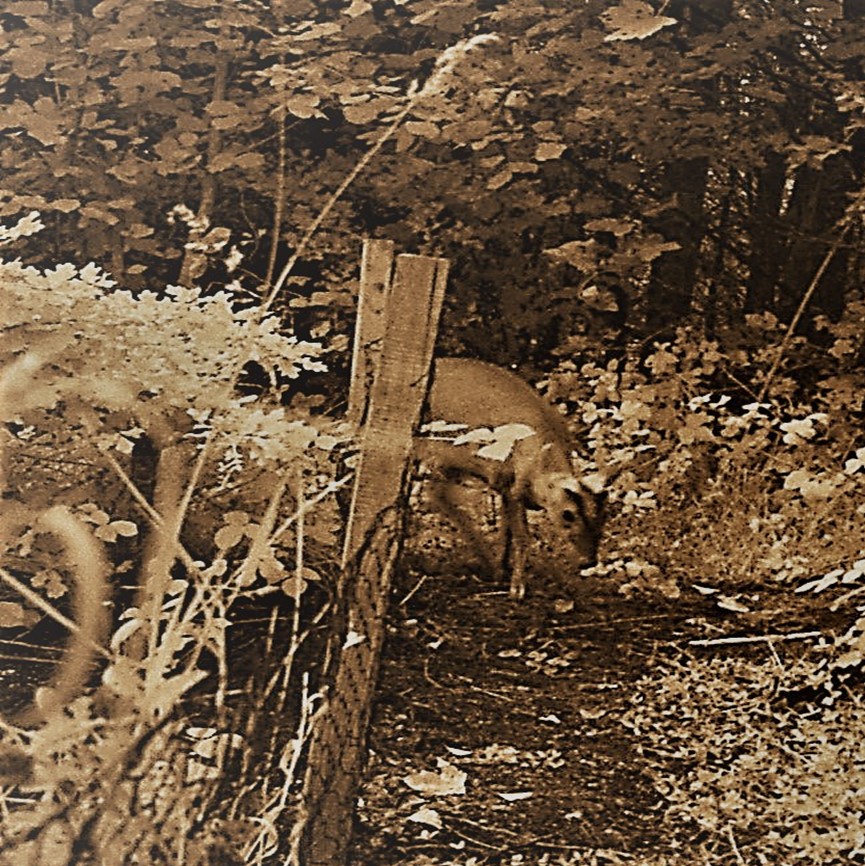
Muntjac dear also visited the site regularly once the willows started to grow.
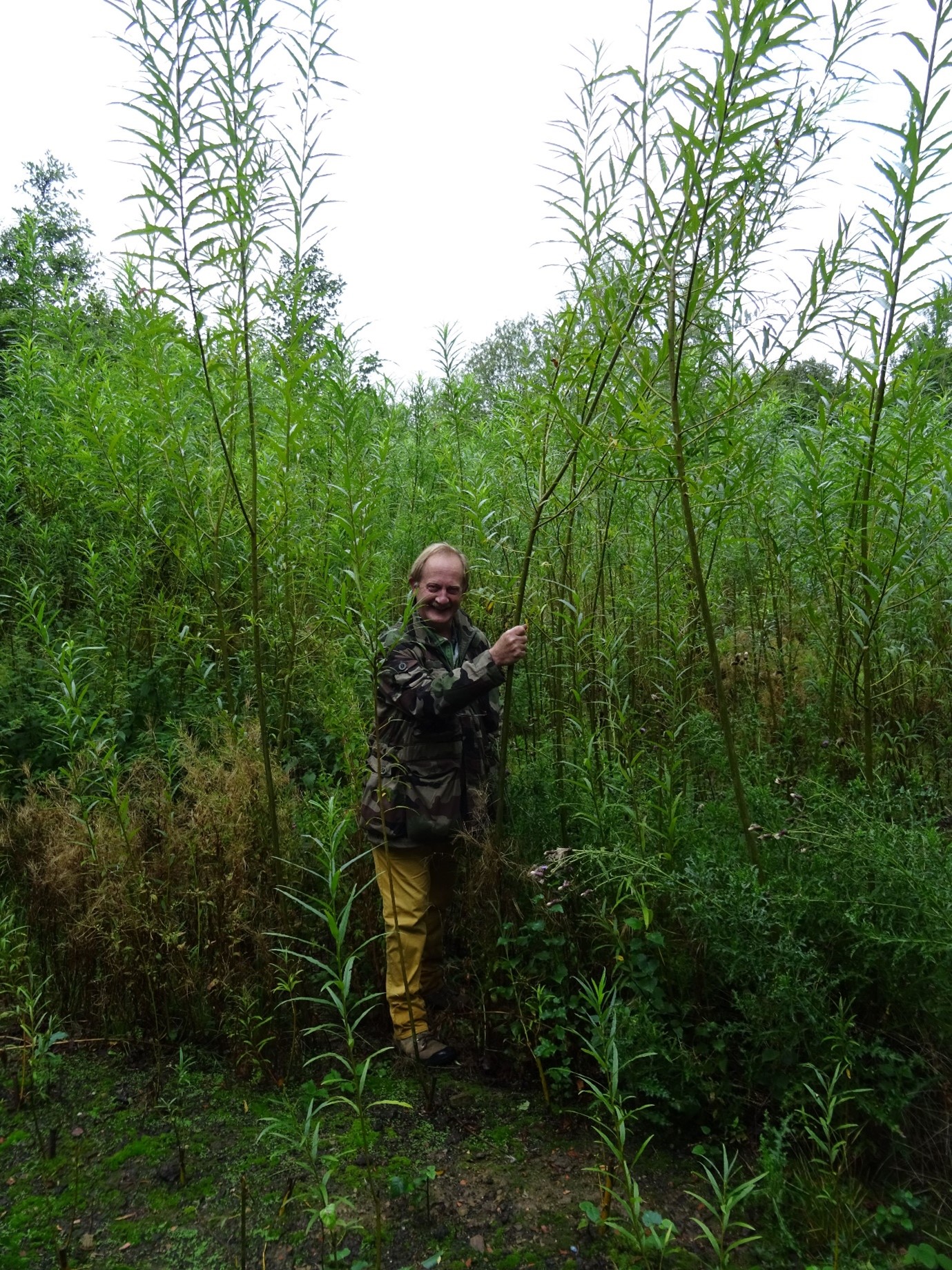
The willows in August 2020.
The roots are breaking the tars down, the PAHs are being destroyed as are the carcinogens we found across the surface,