A short meditation on the legacy of a meeting of the Southern African Development Community.
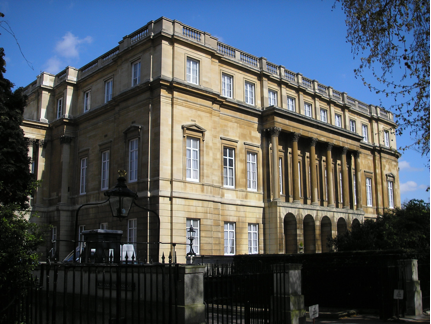
Lancaster House, London – March 2013.
The southern African nations joined together in the 1990 so as to develop their region of the continent in a cooperative group that hopes to tackle many serious developmental goals as cross national border issues. This non nationalistic approach is in hope of allowing the larger and more advanced nations to aid those smaller states to gain funds; both from national aid budgets of the developed nations and give some surety for investment to the banks. The community is designed to emulate aspects of the European Community in areas of free access to markets within southern Africa and eventually abolish customs and allow free trade across the 15 member states. It is a developing tear of development bureaucracy that is supported by UK Aid, the European Union and the Development Bank of Southern Africa.
The meeting in London this month was to draw attention to the recently published ‘Regional Infrastructure Plan’, the audience was drawn from banks and investment trusts in Britain and Europe with high level presentations by senior figures from the Southern African Development Community and Ernst and Young who had carried out the research and written the Development Master Plan. The creation of a document such as this being no mean feat as its mind numbing figures and anticipated financial spend are beyond the normal understanding of single country development.
The main areas covered by the master plan were energy, tourism, information and communications technologies, meteorology and water. Clean Rivers Trust has its main interest in the issues relating to water, though the cross sectoral developments envisaged and outlined in this document are all extremely cogent influences on our core interest.
Within a setting of gilt and mirrors; a good selection of the Foreign Office’s second rank oil paintings displayed on the walls bankers and people with access to money drank coffee and munched petite patisserie before being addressed on the subjects for consideration. By the nature of the beast the picture displayed was more a broad-brush impression than a technical rendition of detailed need. One listened to each presentation with attention, not due just for the content but because the acoustics allowed speech, even when amplified, to disappear into the vast empty space of the room above our heads and most voices could hardly be heard above the deafening silence that the building possesses.
The remarkable sums of money that this master plan requires is certainly attention grabbing; a thousand million dollars and more for a railway line, a national electrical grid of nearly two thousand million, tourism target spending of three hundred and twenty four million dollars looks modest. Meteorology infrastructure needs nearly two hundred million dollars whilst water runs in at thirteen and a half billion; that is nearly all drinking water pre feasibility and feasibility studies. These projects do make a qualifying nod towards sanitation issues but the two areas need to be more closely associated to function harmoniously.
The Development Community are correctly very ambitious for their region of Africa, at the same time looking to the future; to an Africa that can trade without customs tariffs or border controls continentally, it is keen to see the reawakening of Cecil Rhodes ambition of a pan African railway and a road network from Cairo to the Cape.
The many and varied schemes have been costed out by one of the worlds largest accountancy firms, the estimates have been tendered so as to create profit away from the continent, but also developing need for importing materials that are not indigenous or available in the markets of manufacturing African states.
Such figures of indicative need do not address the other agenda items that many donor nations and equitable lenders including the World Bank desire; such as women’s rights, the marginalised, health or the other issues that raise their head with regard to availability of development funds on the single nation aid agendas.
The presentations were by experts with a passion for their areas of interest and their expertise. The volume of information given was remarkably encyclopaedic, and so beyond many of the audiences ability for instant judgement. At coffee midmorning the discussion generally was the effort needed to actually hear what was being said and the vastness of the room we were listening in, this set of conversations changed to one issue at lunch. The main topic was cogent; much more practical and was brought about by the last question asked before the end of the meeting.
What is the Committee able to say to persuade a Japanese development bank to make it take notice of any of the Southern African schemes that sets it above those that are apparently as equally desirable in other parts of the continent? What is that special something that will bring increased desirability to that acceptably necessary scheme.
A question has answers, but the key answers were not apparent; such answers are not for a room full of bankers to hear at this point, the fraternity of nations kept their powder dry, did not expose their hand or drop the punch line. Their answers were platitudinous as one might expect and will not be remembered, the question, however, will.
To put forward grand schemes and expect that all the elements will be judged on the righteousness of the ambition and not on hard economic facts of life in today’s fiscal climate is a tad naive. The donors and banks all need return or payback of their investments be it in political change, trade agreements or monetary return on investment: but then to say such things publically is unwise.