Another quarter comes to an end. A few months of field research, and developing new research, helping find reasons and visits to old haunts for new reasons.
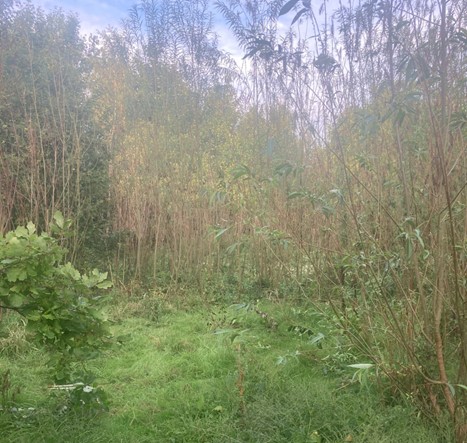
Cinderhill Tar Pits.
The site continues to be visited regularly. Surveys of various bug infestations have become a major issue as the Giant Willow aphid has taken a strong hold on part of our willow trees. There have been fatalities of several trees and saplings. Contacts at DEFRA state that the aphids are only minor and not a problem in the UK. We have had to disagree with concern for some willow species, if infestations continue on the scale we have witnessed over the last 3 months.
The Forestry Commission in 1938 published a gook on growing cricket bat willows (salix Alba) where the aphid was warned of with reference to their ability to destroy plantations of juvenile trees and further destroy 40 year old specimens.
The governments of Australia and New Zealand have this year named these aphids a notifiable pest, their presence has only in the last two years been recorded. Their potential for damaging willows is of cfoncern to the two cfountyys’ forester community. It is believed that this recent movement was from Asia.
The site in Derbyshire is having its stock of willow varieties bolstered with new types such as Goat willow. The willow nursery company is sending some novel types to try on site and we will report on their progress going forward.
There has been a break in to the site but no damage to the site took place though a chain was stolen from the field gate onto the tar pit surface. The fence has been repaired.
Giant Willow Aphid.
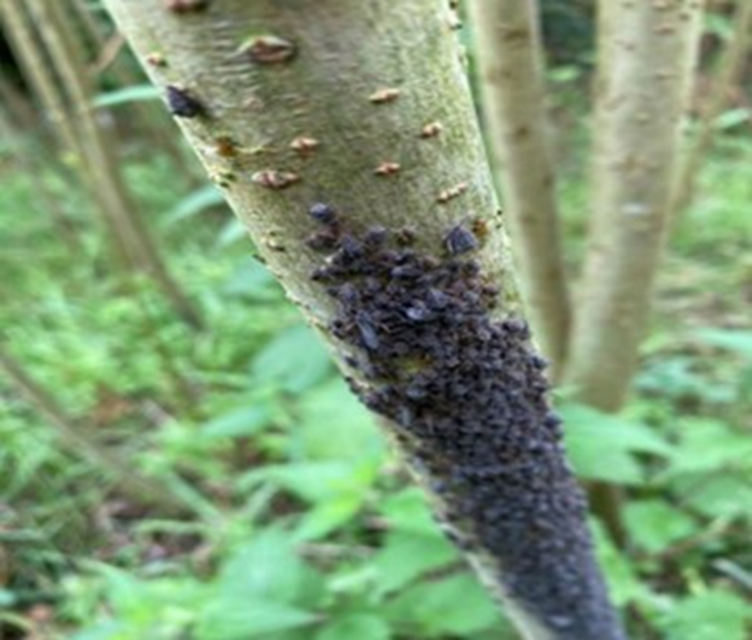
The only known predator of these aphids is believed to be the Harlequin ladybird, itself a recent arrival to Britain from Asia and a known danger to native species of Ladybird. We will not be using any spray to remove these insects, only removal by hand as there is a large and developing insect population. The squasded aphids produce a black/blue/purple die.
The Trust was invited to talk about Cinderhill to the Institute of Environmental Science Birmingham Conference this November. The talk went well and has stimulated a lot of follow up interest.
River Wye

The ongoing hubbub regarding chicken farming and its allied wastes effects on the River Wye are continuing in the media from Twitter to the Financial Times. All the organisations involved call on someone, Natural Resources Wales, Environment Agency, DEFRA, Welsh Government or local authorities to bring pollutioncs to an end.
This is unlikely due to the value of poultry to local economy and the production of low cost ‘Free Range’ birds for the table is important to the government at this time of the rising cost of living. Due to avian flue the free range categoration is coming to an end due to all birds have to be kept away from wild birds. This will likely increase pollution issues as chicken sheds will need more regular emptying.
We have talked to some small waste treatment kit manufacturers and have outlined solutions to the pollution issues. The costs may well be met by enery generation to minimising any fears of farmers. We are waiting for a meeting with the National Farmers Union. Retailers will need to be involved in this as many birds are grown to meet requirements of supermarket chains.
Cornish Mining
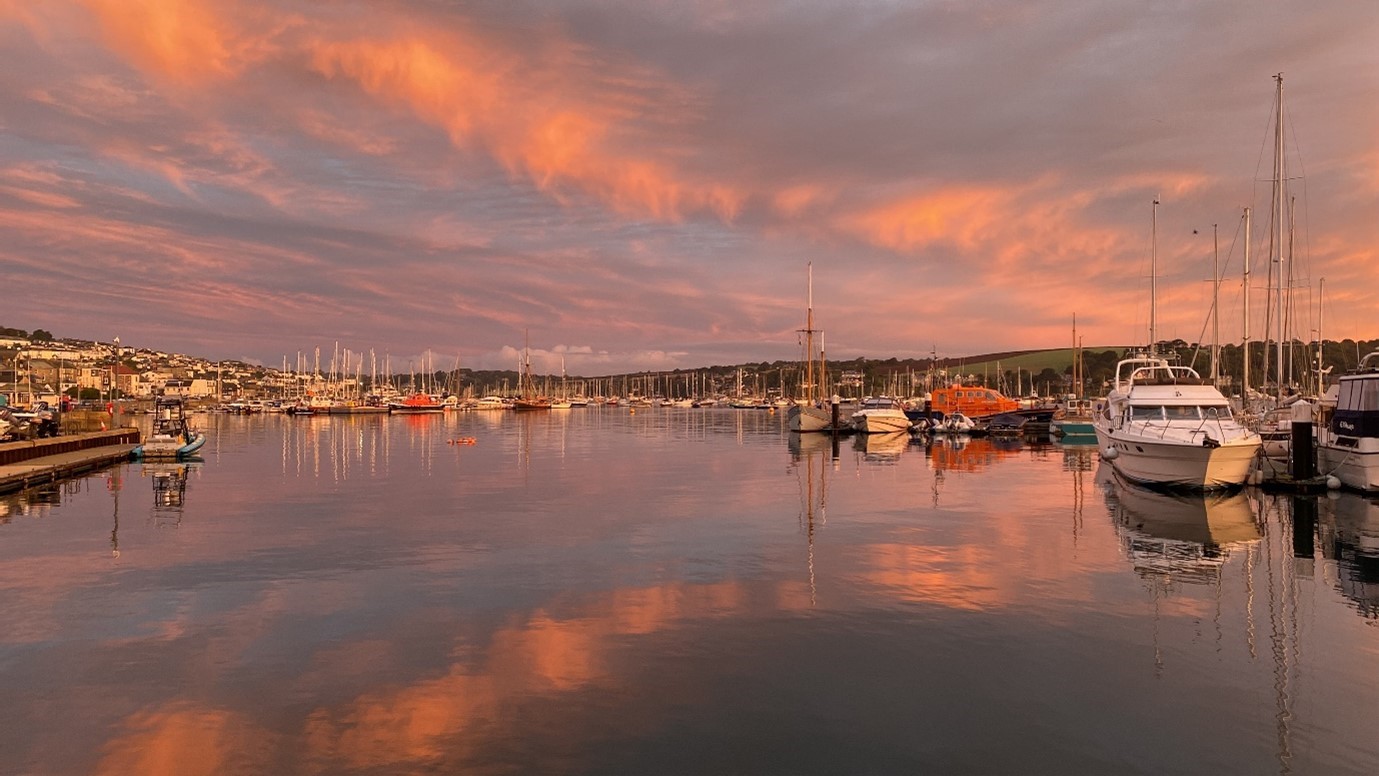
The Cornish Mining Conference at Falmouth was attended in October. A very useful showcase of mining aspirants. Some of the companies are putting forward more realistic plans. The main issues being the lack of investor funding and mining engineers trained in the UK. There are no mining engineering courses at CSM.
The issues of water and pollution are said to be high on the list of all companies and all are saying the right thing. When any get to production scale rather than exploration tailings and water impoundments may demonstrate the true nature of the beast.
Tees Estuary Pollution.
The Trust has talked with DEFFRA to look again at the issues of crustation and shellfish deaths brought about after dredging operations in the Free Port at the mouth of the Tees.
Our independent outline of issues has been listened to by Mark Spencer MP Fisheries Minister who has instructed the Governments Chief Scientist and the DEFRA Chief Scientist to lead an independent, non-governmental review looking at past work by DEFRA and CEFAS earlier this year and now largely discredited by the inshore fisheries groups along with the University of Newcastle and other academics.
The dredging at the source of the problem is continuing with disposal at sea planned in the next quarter.
The Wash
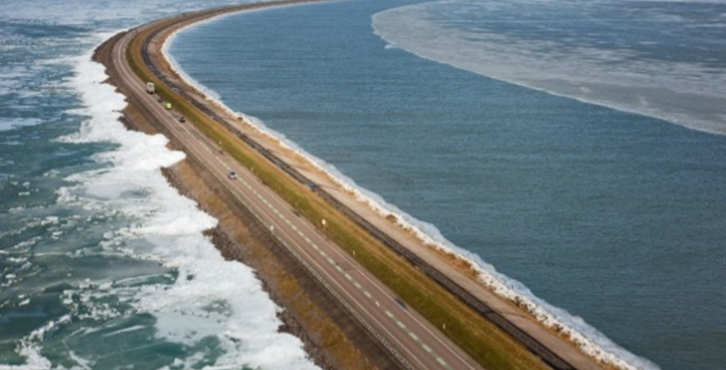
A proposal has been put forward to create a deap water port, tidal barrage and other infrastructure developed by Centre Port. This is at odds with any wish by local people and would inevitably be environmentally damaging.
Ness Tar Works, Caerphilly.
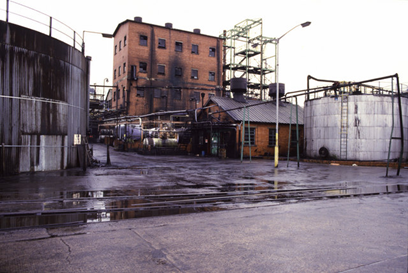
Before demolition in late 1990s.
This site has been sold by the Coal Authority for a token sum some time ago to a company specialising in soil mechanics. This company has a plan to develop the area for housing, but the remediation is to be contamination removal to some, unspecified location. The site was a tar plant owned by British Coal and operated by Coal Products Ltd. Local streams, many culverted for much of their lengths are heavily polluted and whilst others, exposed, are also dead.
Local people have asked us to advise them on trying to decontaminate the site without excavation. They are campaigning to turn the site into a park/nature area.
Tees and Northeast Coast Pollution.
The Trust has had an influence on DEFRA in that the department has announced that an independent review of why there has been a huge crustacean die-off along the coast. Originally DEFRA stated in the early summer that this had been coursed by an algal bloom. This has been shown to have not been the case. It is now considered likely that the tragedy is originating from the ongoing dredging at the Free Port site.
Advice has been given to several organisations regarding methodologies that could limit further pollution but sadly these have not been implemented. Further pollution can be expected in the coming months with at least 1.7 million tons of material going to be dumped at the 7 mile mark out at sea. This is five miles further out so the Lincolnshire and Norfolk coastal fisheries as well as the seal colonies at Donner Nook, the Wash and Scolt Head will be impacted adversely.

Crabs, lobster and the remains of kelp, a forest of which is believed to have been destroyed.