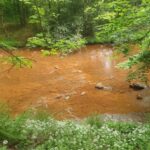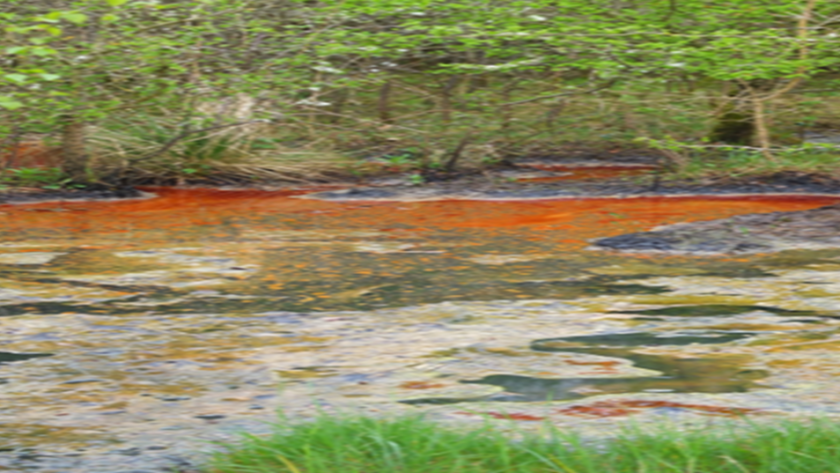
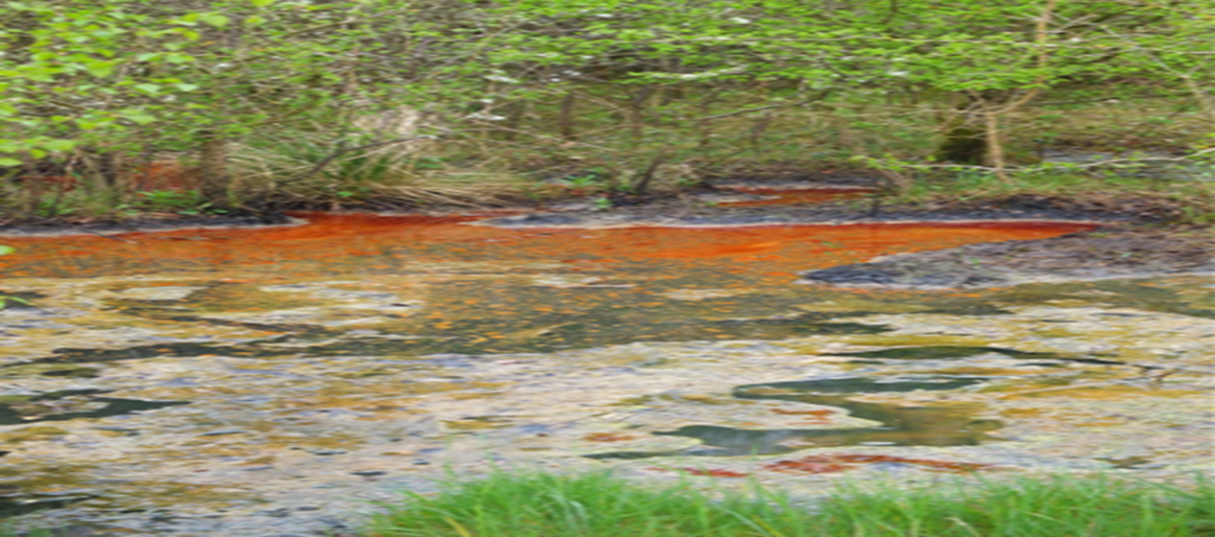
The Trust has been using bacteria to break down acid tar deposited in Derbyshire in the 1970s. To enable the bacteria to travel into the acidic waste willows are growing on the surface that is nutrified by compost, spent mushroom compost which feeds both the trees and encourages the bacteria to multiply.
The project has involved using expertise from staff and others from the University of Nottingham. The breakdown of the tars has been demonstrated and is about to be published, we have also involved bacteriologists who have been identifying and growing communities of the various bacteria.
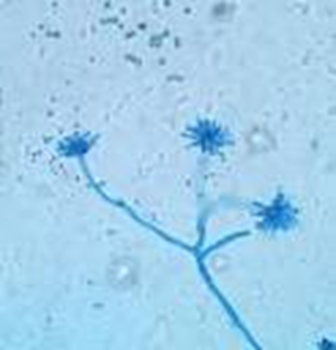
These bacteria under laboratory conditions are demonstrating their capabilities in breaking down other forms of hydrocarbon waste including plastics. In itself this is not unexpected, many plastics are already degraded over time and some particular bacteria, including Aspergillus glaucus, a member of the Pseudomonas family is one of the best known break down some plastic wastes quickly (50% by volume by month, fed on polyethylene). Aspergillum bacteria are found in muds around mangrove roots in the Bay of Bengal.