Shustoke, Warwickshire
Had another wonderful day with Warwickshire Wildlife Trust looking at the Rivers Cole and Blyth, on the edge of Birmingham. The weather was kind and much of the going underfoot was reasonable. Only in a few waterlogged plantations fields were the conditions like a snipe bog.
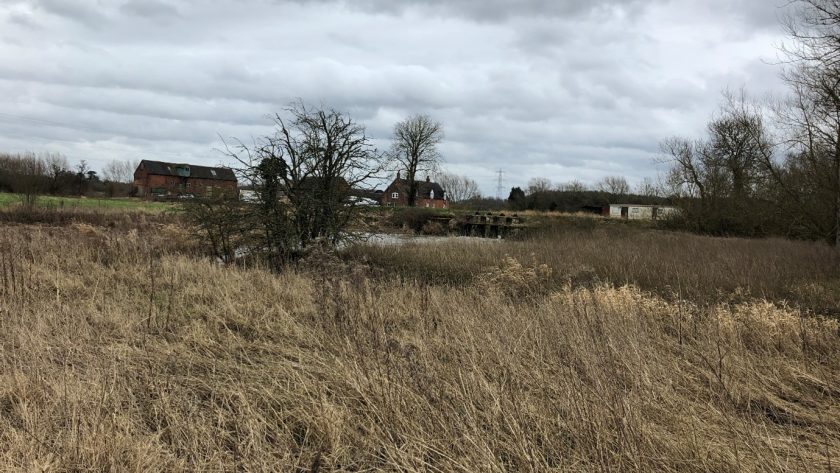
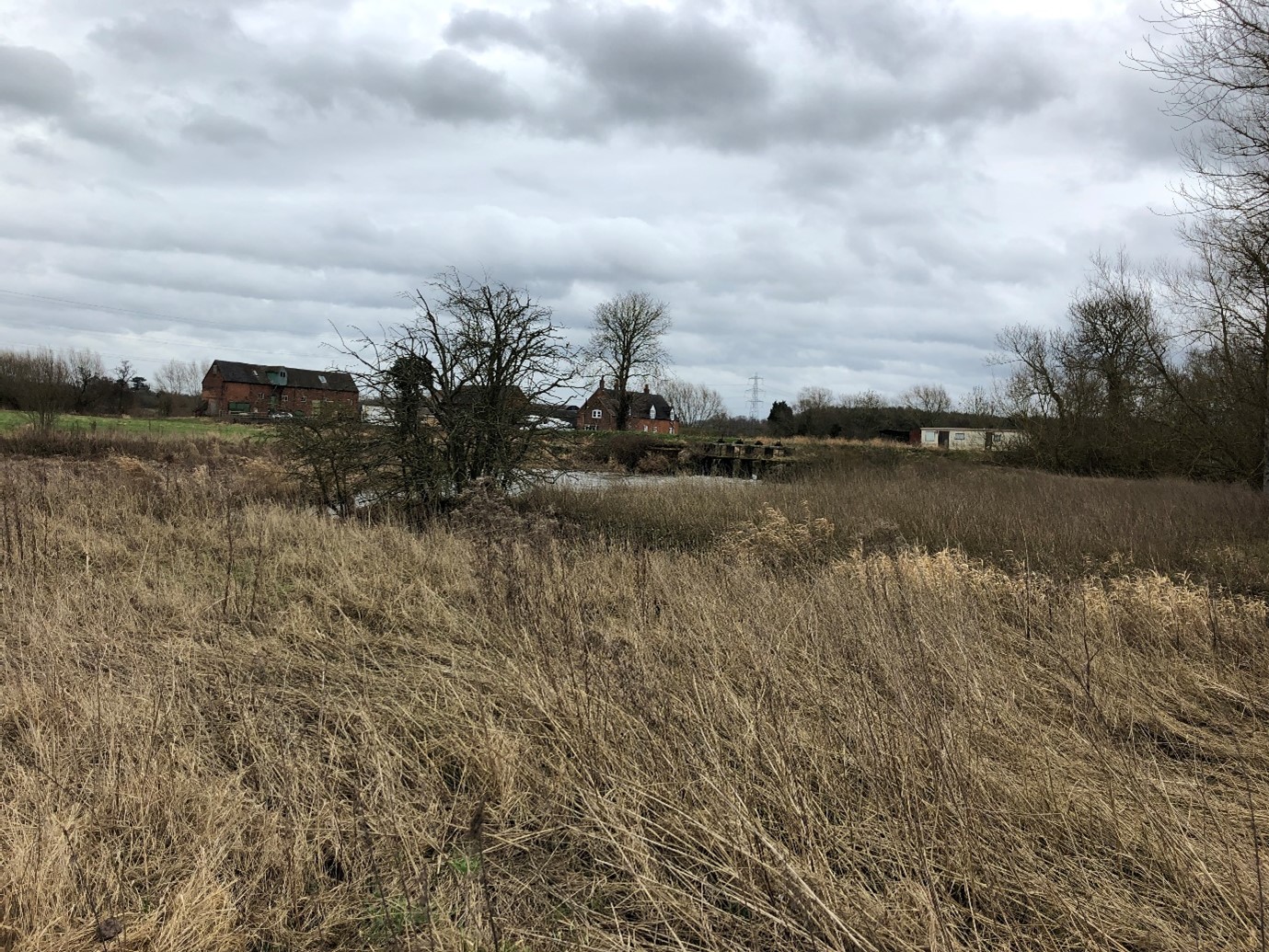
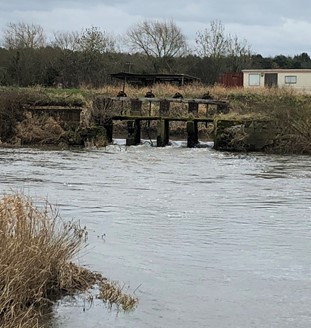
We were looking at sites that were to be developed with swales to help increase diversity of habitats and others where there are plans to narrow stretches of tributaries and develop meanders where the streams had been broadened and canalised. I was delighted to be taken to see one particular site at Shustoke allied to an old watermill fed by an ancient weir. Weirs are not popular today as they are recognised as blocks that stop fish movements up and down stream, thus limiting genetic variations. This weir though stands well and is likely more than 300 years old. The mill itself is a listed 18th Century building.
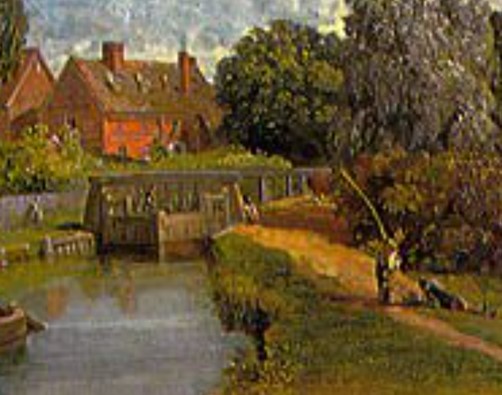
The style of its construction of sandstone makes it likely to be older than the present mill building and probably to have been itself a replacement to that of a turf construction. If restored it would be not dissimilar to that illustrated by John Constable on the River Stour on the Essex Suffolk Border.
The present construction is in some need of attention as the bridge over the gates is now missing and the wooden gates have apparently rotted. The gate levers though are still in place. The old leat has silted up and the internal workings of the mill, if they still exist in situ have not worked since the 1940s.
The plan at this site is to create a small diversion of the river so allowing fish to pass up or downstream around the weir.
Close by the mill there was a remarkable siege or gathering of herons on the adjacent wet grassland, 12 of them appeared to be hunting across flooded restored quarry. There was also a Great egret amongst them.
My walks out with the Warwickshire Wildlife Trust are always rewarding and memorable.