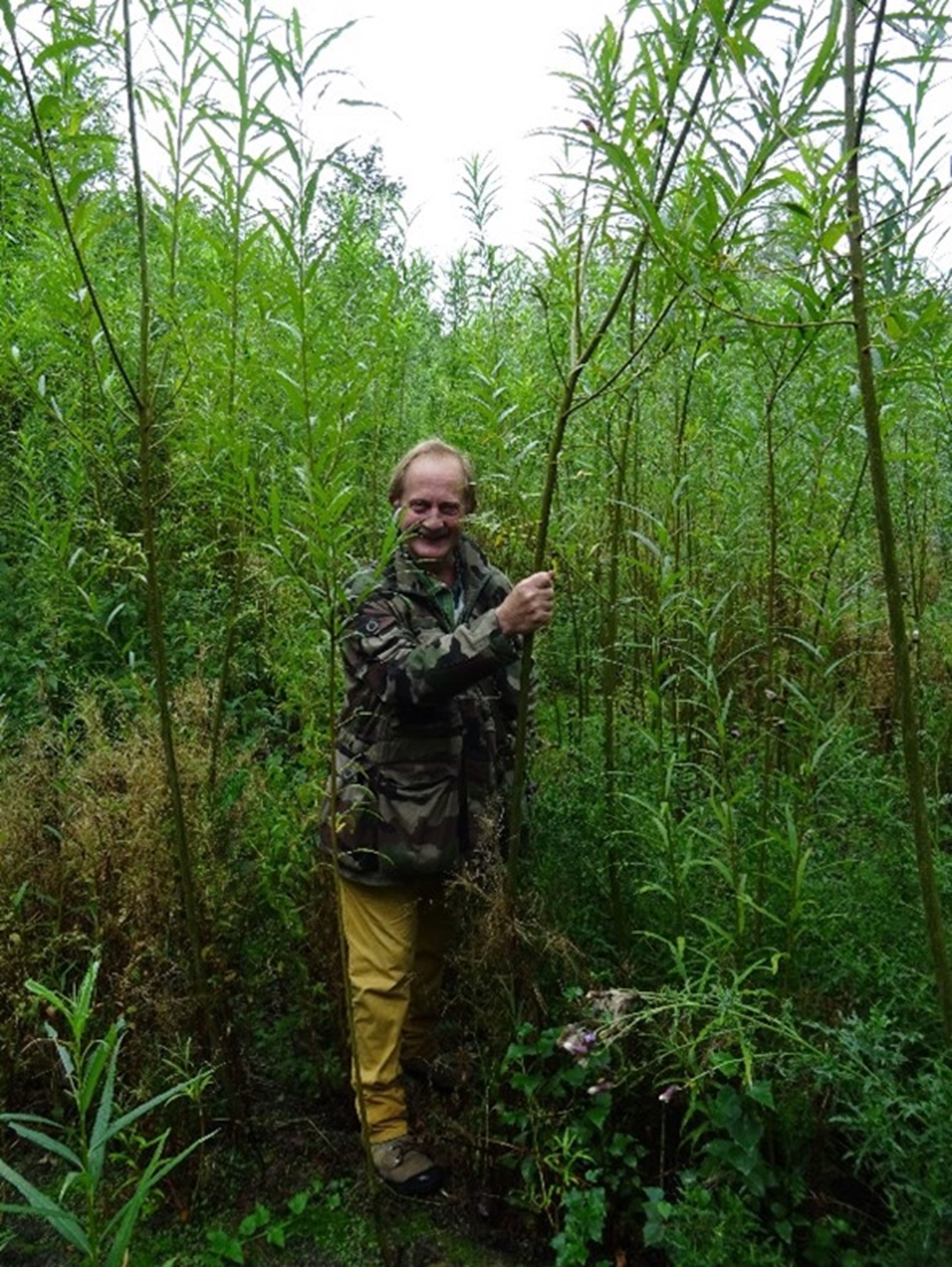

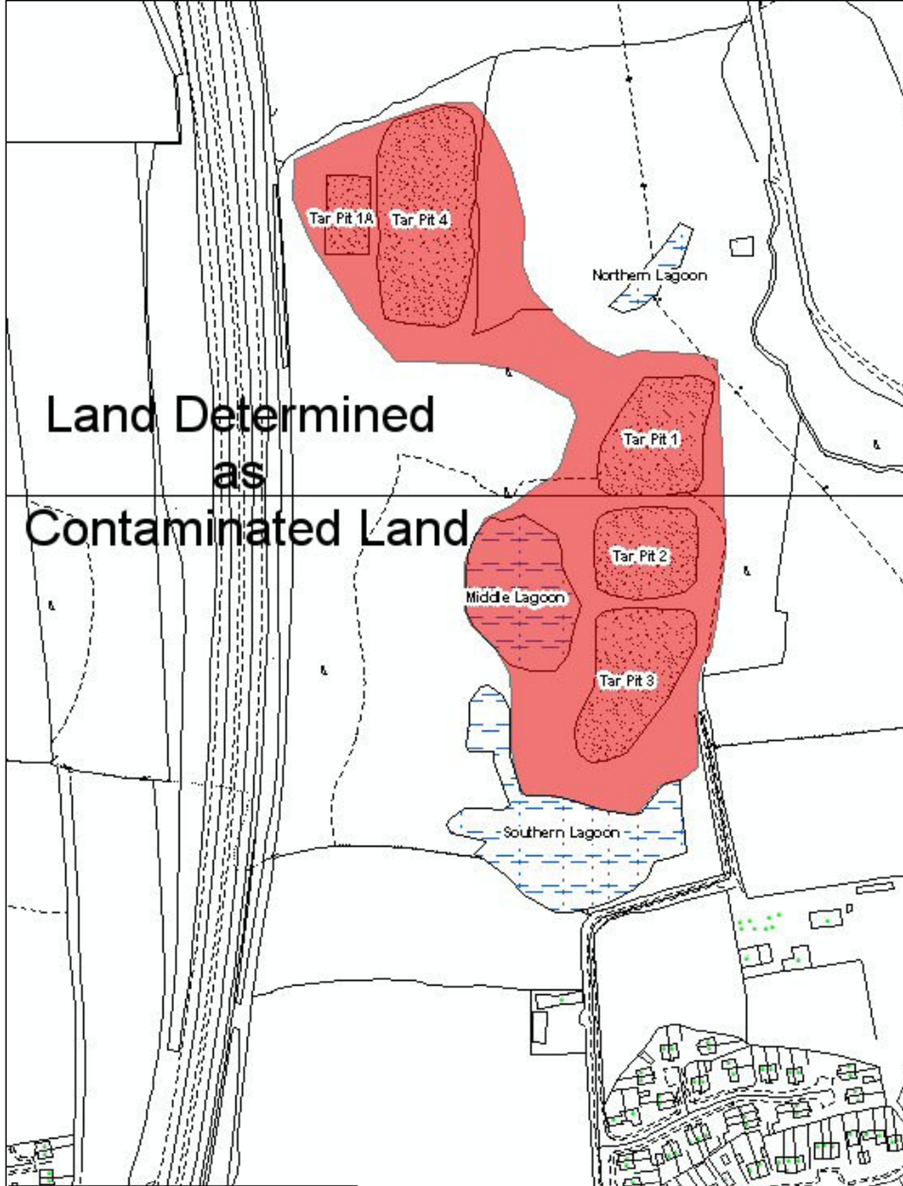
We first met the tar pits at Cinderhill in January 2018. A cold wet afternoon. We were told that there were several, and that you could not get at them as they were fenced off to stop the public entering onto what were dangerous sites. After a little hunting about we found a gap in the high wire fence and came face to face with this amazing site with rainfall pooling on the surface and running off towards a stream. Tested with a litmus paper the runoff which was pH1. Around the sides of the site were bleached snail shells half eaten away by the acid conditions. Sampled the surface tar and found a pH0. The surface of the tar was soft and if you stood on the surface your feet sank down into the tar. The footprints left behind filled with acid.
History.
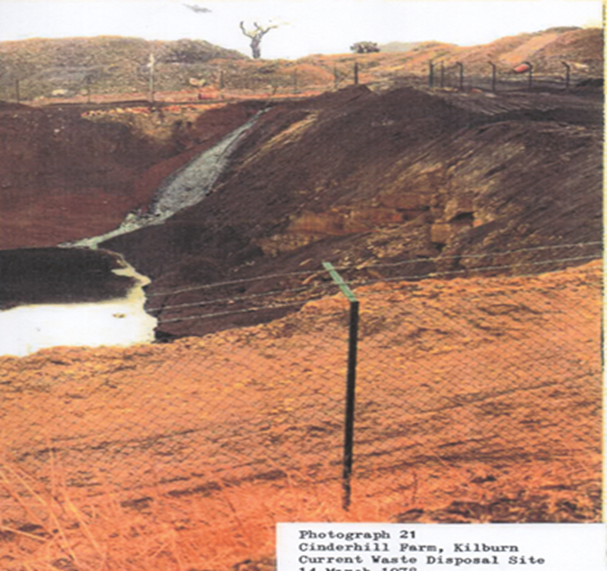
The area now known as the tar pits was once a quarry for sandstone, clay, and coal over a thirty-year period. The site was also worked at depth for coal from deep horizons. The remarkable continuity of coal seams in the Nottinghamshire Derbyshire borders is illustrated here. The areas water levels within this part of the abandoned coalfield are managed by the Coal Authority minewater pumping station at Woodside on the edge of Ilkeston, a distance of more than ten kilometres as the crow flies and more via the mine workings beneath the surface.
Our initial interest was what if any effect that the acid tar pits might be having on the minewater being pumped from this part of the coalfield. The good news we found was that there was no hydraulic linkage with no chemical influence detectable. Interestingly though the actions at Woodside Pumping Station had an influencer on the land about our site. In 2020 the pumps at Woodside were turned off and removed during the wet winter period and not replace till the spring of 2021. During that time minewater issued from old (c. 1780s) mine shafts at, at least, three sites close to our work site. These outflows ceased when the pumps were returned to the shaft at Woodside.
The tar acid mix was demonstrated to be held within their clay pits. It being fortunate that the deeper coal pits were not linked to the site through subsidence events over time.
The tar deposits are a legacy of the early oil recycling industry that was based in Belper, close to the site. The cleaning of old sump oils was mixed with sulphuric acid to separate the waste materials, metals, grits and whatever else. This was not felt to be a problem as it would if left in old clay pits or quarries set solid. That was the principal and sanctioned as best practice in the1960s and 1970s up till 1978 when the legislation changed.
The tar pits have been untouched from 1978 till we started to instigate change in 2018. 40 years had not seen much change. A few stolen cars had burnt out on the tar surfaces and sunk into the tar, odd bits sticking out from the surface.
Our Involvement.
The Trust was originally asked to research and write two reports, one on the water quality of the local streams whilst the other was regarding possible infiltration of acid tars into the underground coal workings.
Once these had been submitted we were asked to look at the methodologies that had been put forward to remediate the site and make the ground safe for the public to visit. The site was classified as contaminated land under Section II (a) of the Environment Protection Act 1990. The options that were put forward were:
- Do nothing.
- Mix with cement and rebury on site.
- Excavate and rebury elsewhere.
- Excavate and create concrete cells and replace the excavated materials which would them be capped off with a concrete lid.
- Recycle the acid and burn the tars in a cement kiln.
None of the above were possible due to cost of they were unethical. The Environment Agency would have run with do nothing as long as the public could not enter the sites. The fences though were constantly being cut down or otherwise damaged.
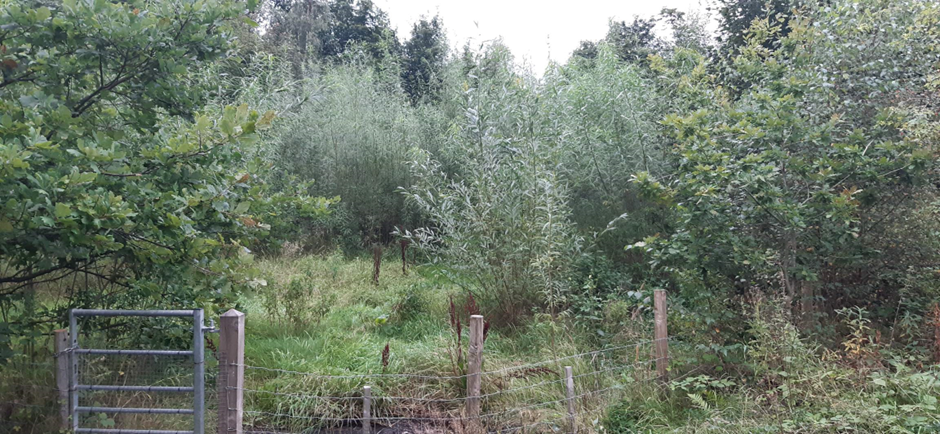
Our proposal was simple. Plant willows on the tars to help bacteria already on the surface enter the tars and break them down from below the surface.
Rational
The trust had over the 25 years to 2018 studied plants and trees abilities to neutralise acid streams and discharges from mines. We have further studied willow growth in high strength hydrocarbon environments. Studies had been conducted in Cornwall, the Forest of Dean, Nottingham, and Cumbria. We have also carried out research on the use of willows in removal of metals from both minewater and sewage streams.
The need to stabilise the tars was crucial and work conducted in both the Netherlands and Belgium in the 1980s showed the density of willow roots creates a stability faster than any other plant on dredgings placed in redundant quarries, our work on stabilisation of tailings lagoons had also demonstrated similar findings.
Methodology

Gases Survey
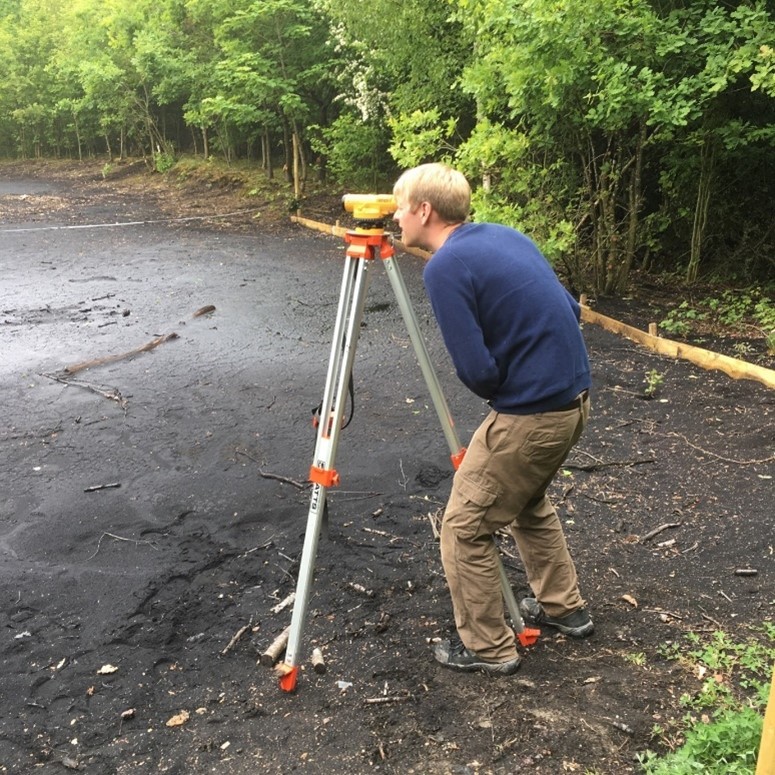
The trial site selected being the most difficult of 5. the site is furthest from any source of water for irrigation. Nothing had tried to grow on what was a flat featureless expanse of tar. The surface required one to move swiftly about the surface. Acid would pool around your boots as one sank into the surface.
Survey.
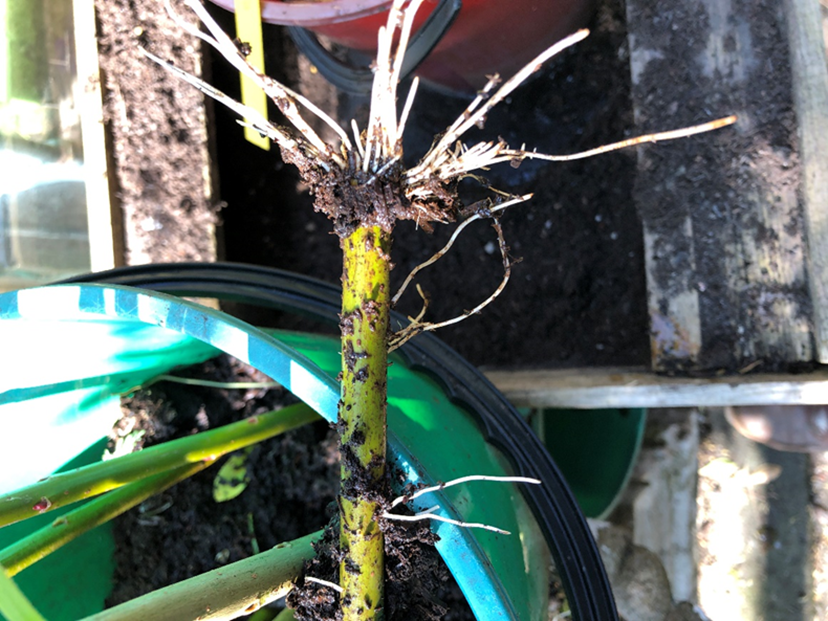
Growing trial of six weeks.
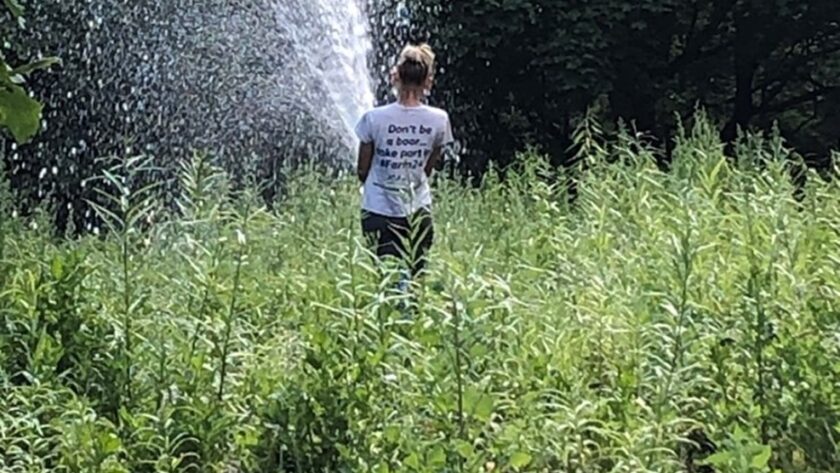
The surface of the tar was covered with spent mushroom compost to a depth of 6 inches and wands of willow either formed into mats or laid individually onto the surface. The site was watered.
After the first winter there was found to have been a 35% mortality of willows due to the draught although there had been irrigation several times a week during the exceptionally scorching summer. The site had another layer of compost applied and a small amount of lime was scattered about the plants.
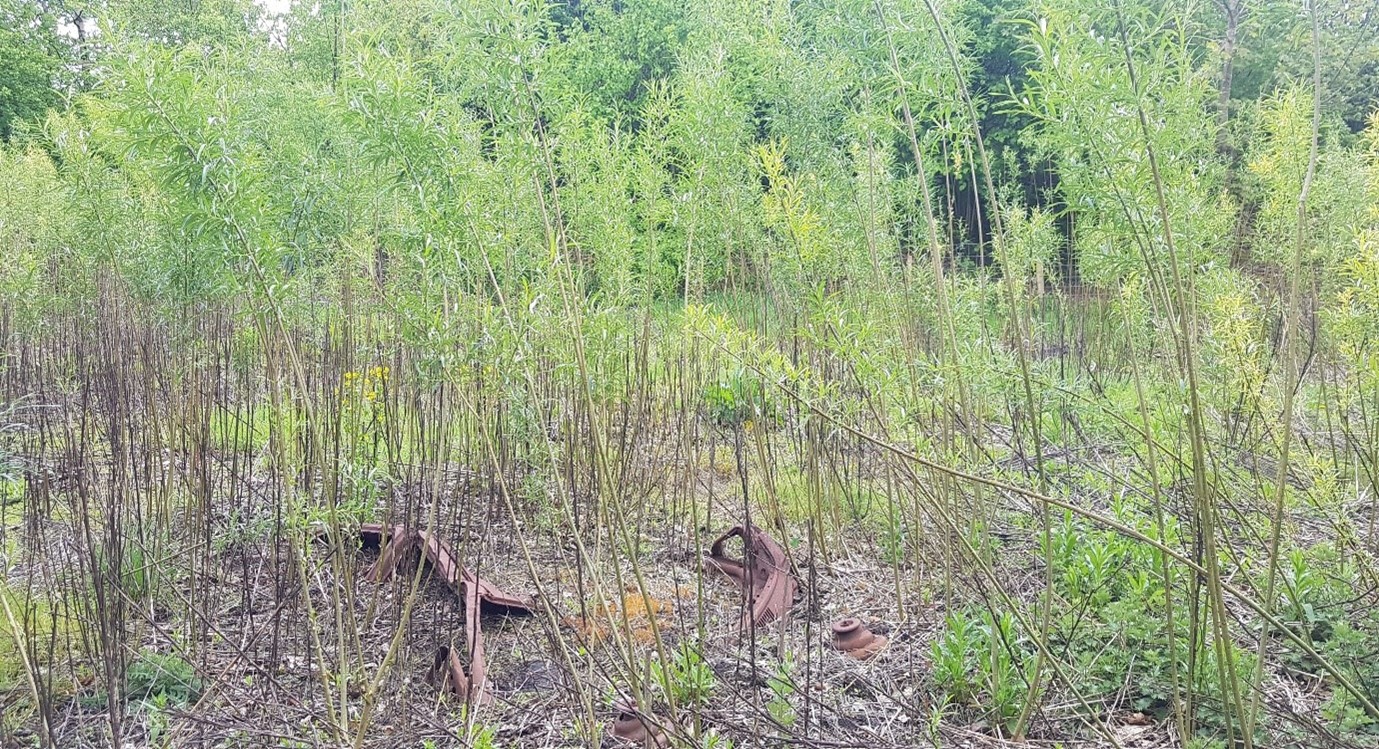
Results.
The results were almost instantly visible.
- Site stabilised.
- No acidic rain runoff.
- First 6 inches of tar beneath the compost ceased to be acidic.
- Smell of hydrocarbon ceased.
- Carcinogens at tar surface broke down safely. 4 years on this is down to 2 metres.
- Wildlife came to the surface. Grass snakes, great crested newts, mice, slugs including the first Ghost slug, Selenochlamys ysbryda, found in the Midlands.
- Earth worms appeared in the first few inches of breaking down tar in the first year. They are now present to 2 metres after the fourth growing season.

Peer Review
University of Nottingham used three different schools to overview the work we conducted on site, and we encouraged other universities and institutes to visit, sample and comment the work conducted. All have found the growth of the willows remarkable and the root spread and depth satisfactory, 2.5 metres so far.
Considerations.

The planting of willows or other plants in a decontamination role is not a walk away solution, it requires an eye to be caste on the site regularly and the ability to respond to any issue that might need addressing such as aphid attack., irrigation, damage by animals or for that matter vandals.
The costs are substantially less but time scales are likely to be longer. The project required one to react to every prompt that the willows offered. Water need, aphid control, and any other requirement. The project has required farming input as well as science.
The research project is to continue and is going to allow a unique opportunity to demonstrate the use of phytoremediation. Other tree types and species are also being trialled as we have found some types of willow such as Goat willow are able to be planted as cuttings, which is not a normal reproductive method in horticulture.