The new growing season has only just started. Visited yesterday to show visitors round, some what concerned as they may just see the site as sticks poking out from the ground. Arriving early to see how the site looked and was relieved/delighted to see the sticks had started to green up.

The visit was to show the site progress and talk though our approach to remediation of acid tar. The willows were just demonstrating their power after their fourth winters, two draughts and a massive infestation of giant willow aphid last year.
The unplanted area was soft and filled my footprint with acid with a pH0 to 1 whilst the rest of the site showed a pH7. We explained the increase in fauna using the siter or visiting it. These have included fox, badger, dear, frogs and toads, newts including a population of Great Crested. Butterflies and moths including egg laying. We have found Elephant hawk moth caterpillars. We also are proud that slugs, snails, and worms are present on the site surface and with worms present down to a depth of over two metres. Before we started this project snail tried to pass over the site when it rained bur died instantly in the acid runoff. The site was ringed by decomposing snail shells.
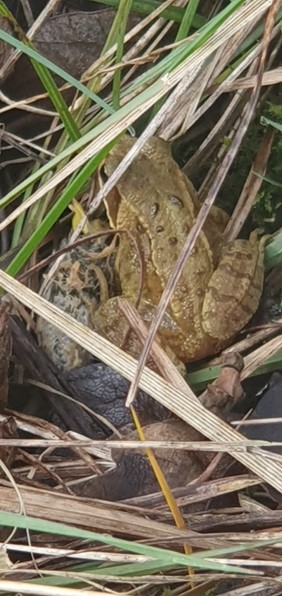
Only one frog appeared this week, whilst there were a number showing themselves last. We also noticed willows were having their leading shoots damaged by squirrels.
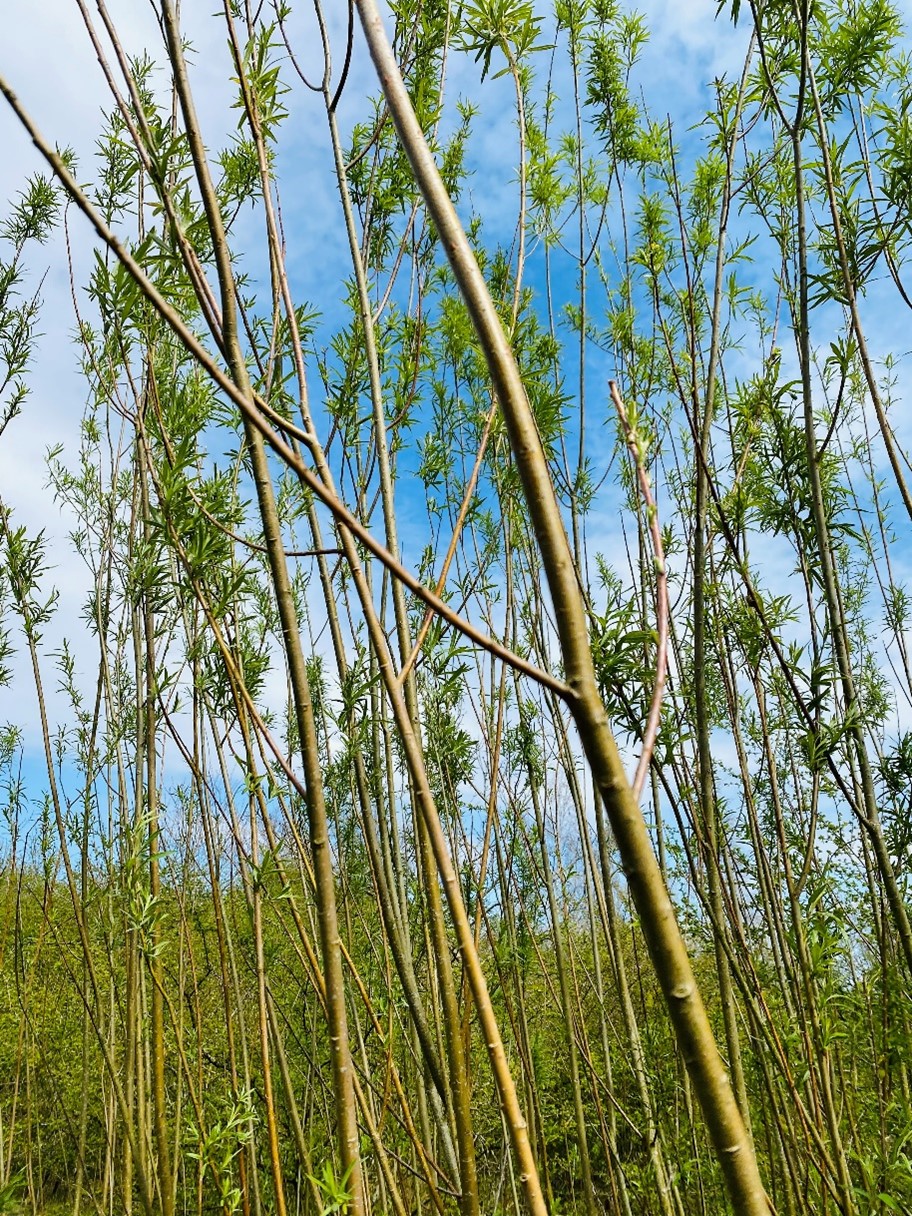
The site has shown several rare and non-native species find the site including our discovery last year of the ghost moth, the first ever siting in the Midland. This visit we discovered another first for the region, a Blue Milkweed beetle.
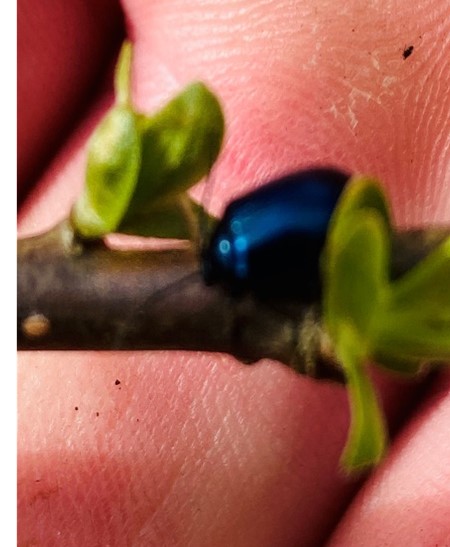
Not a good photograph of this incomer from the United States. It first appeared in this country in Kent in 2011.
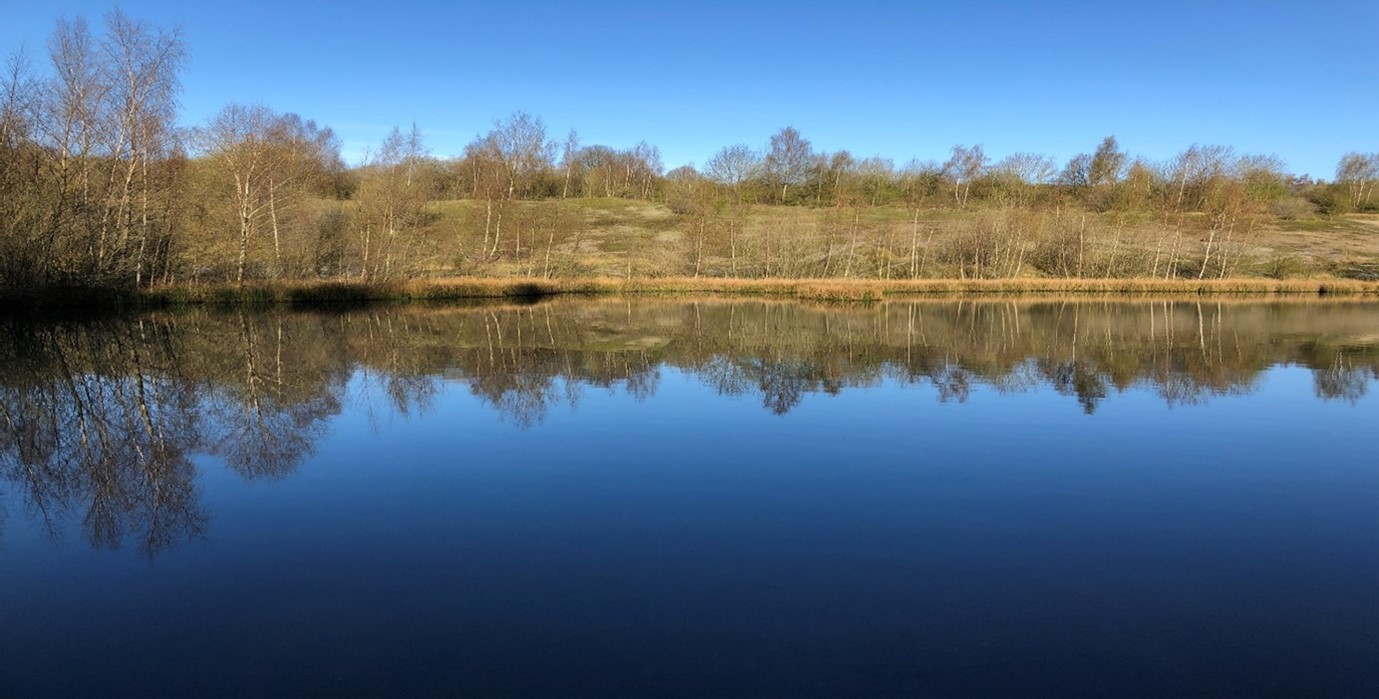
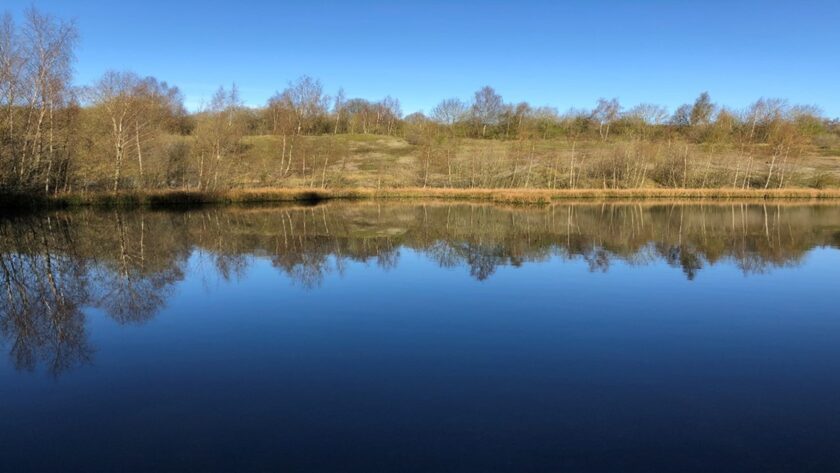
Our visit also took in the other tar pits and the acid lake. When we started taking an interest at Cinderhill the water was very acidic with a pH3. We tested the water across the lake with our visitors and remarkably it had improved far mor than we expected and across the lake tit was pH6-7. The rain over the winter and the limestone filled gabions have worked.
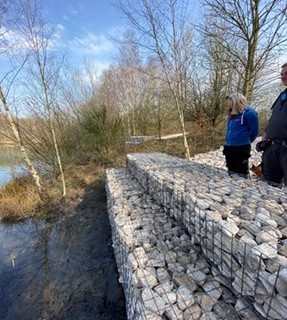
It was though sad to find some persons had broken into the wire gabions and managed to throw some of the limestone pieces into the water. We will top up the gabions at some point this year.
We are undertaking a survey across the site of all fauna to understand the flora and flora present across what is turning into a haven for the unusual species. Personally, I am looking forward to dragon fly spotting later in the year.