This is the second of a series of short pieces covering aspects of the First World War and the environmental legacy left by the fighting between 1914 and 1918 and the consequential effects on water.
The conflagration that was the First World War was the first truly industrial conflict and as such used every method of destruction at its disposal. It was not a war purely of paid combatants; soldiers sailors and airmen, but involved the destruction of civilian populations at times as well. It involved the usual bullets, shells, mines and the many other conventional methods of removing the last breath from a body; it also found it possible to introduce the chemistry set as a weapon with the introduction of poison gases of varying horribleness.
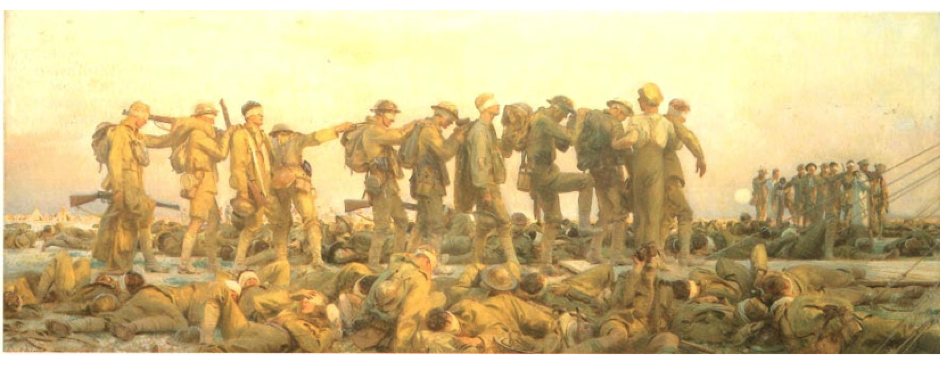
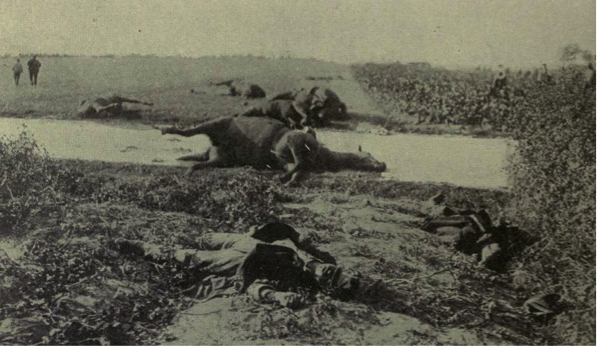
Little has been written or publically said about the battlefield areas of the Western Front and their ongoing legacy. It is well known that over two million combatants died in the sea of mud; little is understood of the numbers of ‘dumb animals’ that perished; this is not less than five million, their bodies rotting into the mire with their drivers. There is more now coming to fight about the ammunition that landed in their millions along the front; millions of high explosive shells, millions of shrapnel rounds and the billions of bullets that spewed from machine guns and rifles.
The Western Front was a long ribbon of land over 300 miles long stretching from the English Channel to the Swiss border. For the majority of the time of the conflict the lateral area involved was narrow. There were ‘quiet’ areas and areas of huge effort and activity. In some areas there was little fighting, the Vosges Mountains, areas close to the coast and the border with Switzerland. Other sections were moderately vile in that there were no major offensives, just the pedestrian slaughter of trench garrison warfare. The areas of high activity, the areas of highest mortality were relatively short in length allied to the narrowness of the battleground gave a concentration of munitions expenditure that put the lid on the belief that lightning never strikes in the same place twice.
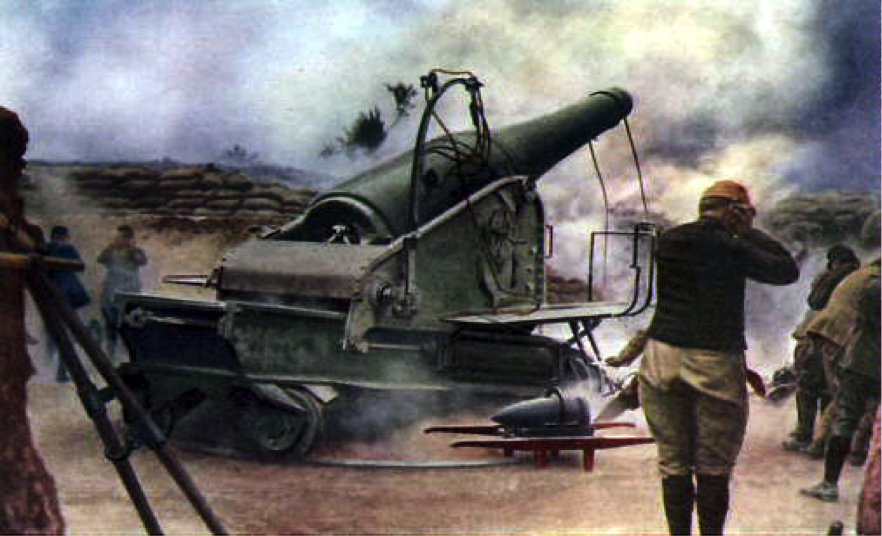
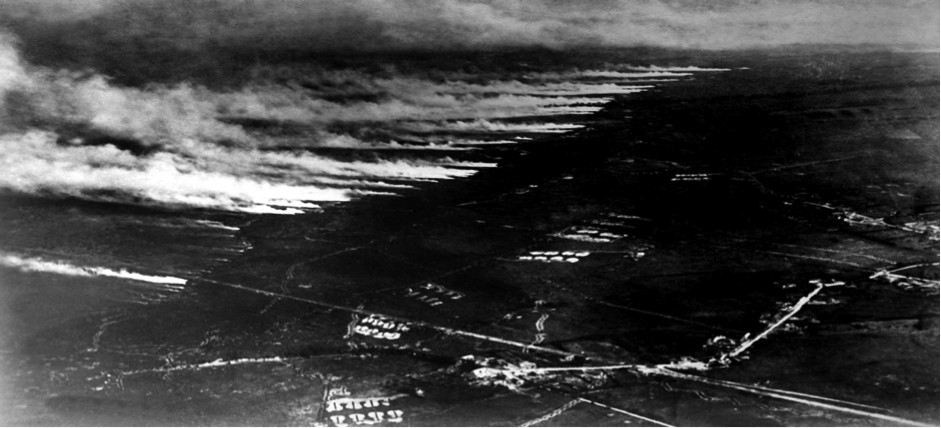
The conventional ammunition being used was well made, though a proportion would never explode either through faults in manufacture or percussion caps not depressing due to the nature of the slime/mud they landed in. The gas shells that were used to deliver death on the air; once both sides stopped regularly releasing the gas directly from their trenches allowing the breeze to move the poisoned cloud towards and in amongst the enemy; which in oft occasions failed as the wind either whipped it away too fast or blew it back into the belligerents’ own positions.
Such shells were often soft, of fabric with a hardened light explosive nose that only needed to rupture the canister of chemical agent to let it do its worst. The machinegun and rifle ammunition by the wagon load was mainly deposited in the mud and soil of this wasteland, kilos of lead and brass disposed of ‘harmlessly’ into these significant areas.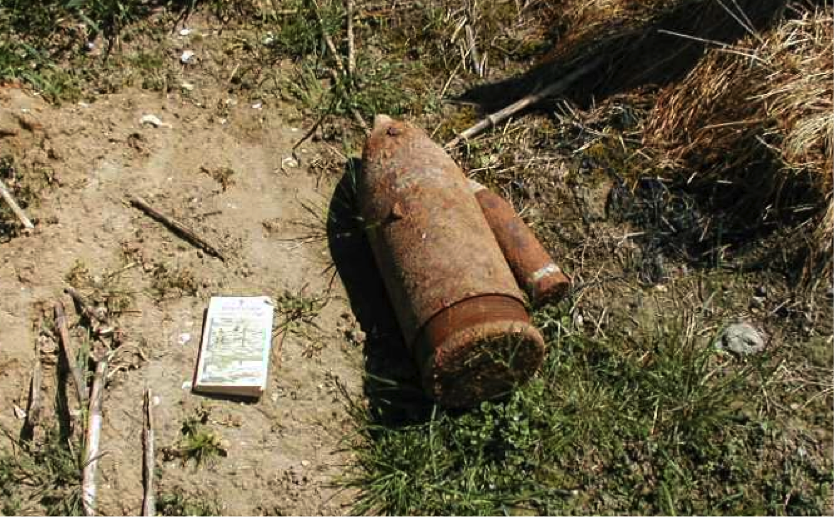
The mechanisms that worked the conventional shells that exploded or not were made up out of copper and brass, with tons of copper and its alloys going into the ground. The explosives that blew apart the projectiles’ iron casing spreading the complex chemical cocktails across the surface of the landscape and soon combined into it by rain and further shelling amounted innumerable tons.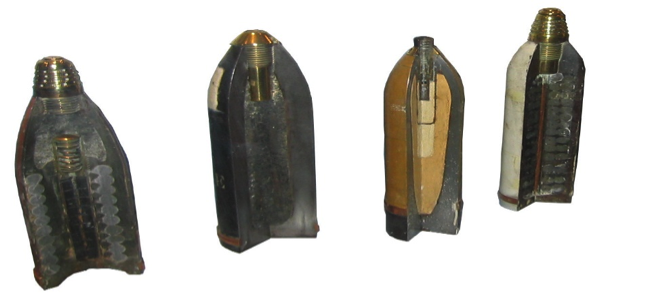
Even at the end of the war the waste munitions, particularly those of a chemical nature were destroyed at their sights of storage in the forward positions. There was little wish to handle them, let alone bring them back to the home nations’ arsenals so better that they were lost is the barren strip of destruction. The last act of war being the disposal of the most offensive of weapons into the general morass.
Today as has been the case for the last 90 years there has been an ‘Iron Harvest’, bombs, shells and other metals turned up by the plough, many farmers have armour plating attached to the underside of their tractors to protect them from when one of these pieces of ordnance explodes. For many years it was not unusual that a farmer with his team of plough horses were blown apart even in the 1950s and then tractors and their drivers were similarly killed. These unexploded munitions can be seen awaiting collection by the authorities near roadsides, placed there by the farmers after ploughing. The number never appears to lesson though eventually it must.
Some of this ordnance makes itself felt in other ways; a cemetery that was re-turfed in preparation for the coming jamboree of remembrance found that half the turf suddenly died for no known reason, on investigation it was found to have been gassed from below.
Across much of the strip of land desolated by the war many villages and hamlets were fought over and driven into the dust. The will was not apparent after the war that these communities resurrect themselves, alongside the cost and the dangers that were left of unexploded projectiles these areas were planted over, many around Ypres and Verdun were considered too dangerous for civilian access altogether and were created as closed forests. These ‘Red Zones’ exist today testament to the long-term nature of the danger.
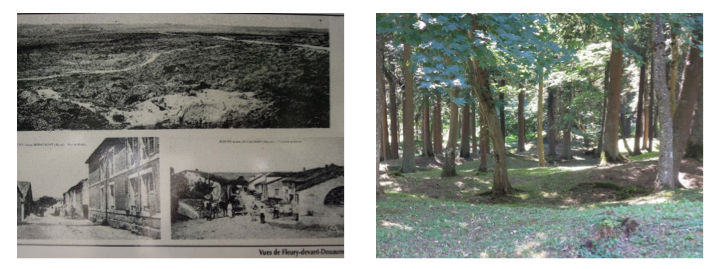
The village of Fleury is a typical destroyed village site. Today new problems are appearing in that the forest trees are in need of management but the dangers are to great to allow any but the slighted human intervention.
The Belgium army are at present undertaking a decontamination program of gas shells that have over the last fifty or more years been stored in protected forest sites near Ypres. Previously many pieces of live ordnance were removed from the battlefield and disposed of at sea near Ostend. These same storage sites are where conventional weapon ammunition is destroyed by controlled explosions.
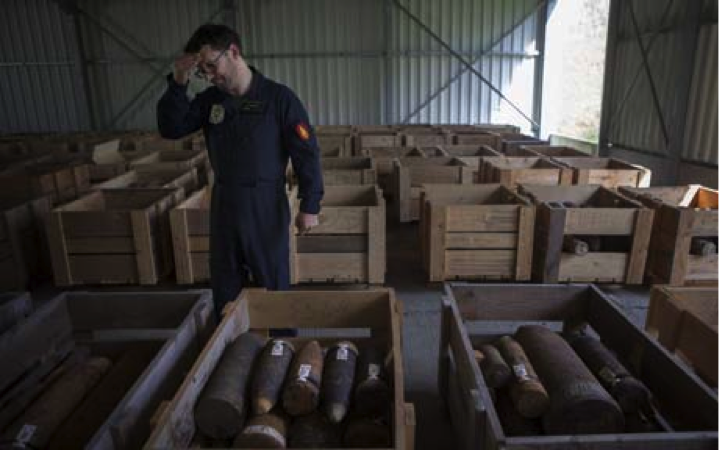
In 2012 the French and Belgian authorities retrieved over 274 tons of artillery munitions from field edges and expect this harvest to continue for many years to come. Near Ypres the ordnance is destroyed a few shells or bombs (less than 50kg) at a time twice daily, in the summer months, the winter months are too wet and due to the ground conditions explosions are likely to damage nearby houses .

The other aspect of this contamination is the developing effects that lost ordnance and the plethora of waste, animal and mineral has had on the water supplies from the shallow aquifers of parts of the battle area. Much of the water supply for the area around the town of Ypres is supplied from sources to the west of Belgium due to the concerns that are engendered by levels of copper and lead, high nitrate and potassium; most recently blamed on agriculture but previously the effects of high numbers of remains and their residues present in some areas. Similar issues arise around the Verdun area.
The environmental consequences of the First World War continue to echo down the years.