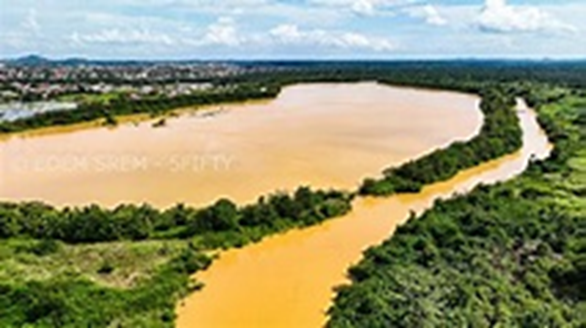
Recently we have been asked for advice regarding pollution remediation caused by unregulated mining in Ghana. The problem is massive, and it is having dire consequences for forestry, agriculture and the drinking water in the most populated areas of the nation, including the capital.
The local name for the problem is Galamsey.
Wikipedia defines it thus: ‘Galamsey refers to illegal small-scale gold mining in Ghana. The term is derived from the English phrase “gather them and sell. Historically, galamsey referred to traditional small-scale mining practices in Ghana, where local communities would gather and search for gold in rivers and streams. However, over time, the term has taken on a broader meaning, encompassing both legal and artisanal small-scale mining (ASM). In Ghana, those involved in these activities are called galamseyers, and in neighbouring Francophone countries such as Ivory Coast and Burkina Faso, they are often referred to as orpailleurs.[5] Ghana’s widespread illegal mining activities have caused extensive destruction to the gold-rich West African country’s forests.’
It is estimated that around 68% of water is polluted by mining methods and chemicals used to liberate gold from its host rock. This has removed a major food resource and fishing as an occupation is dying out.
The Trust has worked on minewater pollutions for around 35 years and will advice and help get the problems solved though the situations one might encounter may be problematic and hazardous.