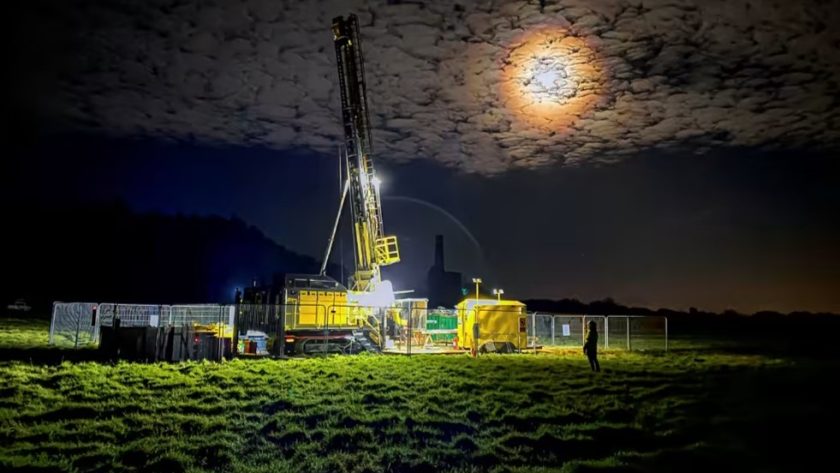
In the 1990s Clean Rivers Trust with the help of Severn Trent Water identified elevated levels of Lithium and other rare earths as constituent elements of pollutions discharging from flooded abandoned mines in a number of locations in Cornwall and Devon. Today this research has led to the development of active mine development in the Southwest of England. Not just UK based mine captains taking a chance, but multinational corporate activity is demonstrating that lithium is present in economic quantities to be successfully removed from the strata and waters of the area. Alongside lithium other elements were present including cobalt, copper, and other rare earths.
We also sampled many minewaters from other areas, mainly coal mine waste waters and discharges from abandoned mines across Scotland, Wales, and the rest of England. Across the nation it was apparent that these waters all contained interesting constituent parts, rare earths and as well as aluminium, zinc, and iron. They also contained heat from the earth that was useable to benefit areas of heat poverty and offer the benefits of employment to the many who were in the mid and late 1990 losing their livelihoods. Mining was ceasing and many areas were significantly becoming abjectly poor.
It has taken more than twenty-five years since the Trust outlined the potentials that existed. It is though exciting to see how Cornwall is now about to start winning lithium at least two sites in the county. Other metals, not only the traditional tin is possibly about to get underway as well. Sadly, earlier forays into rekindling the tin mining tradition failed due to a lack of investment. The rest of the UK is moribund, with no serious exploration of potential for the likes of lithium which we know are present across the UK.
Permissions..
The recovery of lithium from sea water or minewater is energy hungry. The two most common methods require the lithium to be recovered from a slurry. The weather in the UK precludes the use of evaporation for most of the year and so the use of heat or electrolysis. Both these methods require a sustainable electrical supply. On site generation by use of wind turbines being a simple and economic solution. This though requires government to allow on shore generation rather linking to offshore higher priced wind energy.
The other source of low-cost energy in parts of Cornwall and might be emulated else where in the UK is the generation of electricity using geothermal heat. The use of ‘hot rocks’ generation is though site specific and is not risk free. It is though less contentious than onshore wind.
The granting of any major mining project require4s continuity of support from planning authorities rather than the short sightedness of townhall politics. Politics on the local level with regard to national need requires overhauling. This does not need to be a rubber-stamping exercise and might be a far more independent and nonparochial outcome.
This approach needs to be considered for all regional and national schemes so allowing a break from the present continuous oscillations of the courting of votes by local politicians who need to be deciding issues of local importance. The Cumbrian coal mine planning epic is a case in point. The plan went from local planners to government and was then returned to the County Council for determination, and even then the decision was highly criticised and there are still all the signs of this outcome being a fudge.