Introduction.
Not all minewater discharges are suitable for wetland treatments but most are if your treatment site is not constrained by size or the setting precludes the use of ponds or wetland cells.
Wetlands are still not fully understood, but the various elements that make up their nature are remarkable in both their simplicity and complexity.
Wetland and Minewater Processes.
There are two principal aims of minewater treatment:
Neutralisation of any acidity and the removal (precipitation) of metals.
A constructed wetland provides an environment in which processes can occur to achieve these objectives. The components within a wetland being the microbial population which is of primary importance with the substrate and plant communities providing nutrients and an increased surface area for bacterial attachment and colony development. The existence, and in some instances the juxtaposition of aerobic and anaerobic environments is a feature of wetlands that enables habitation by a population of microbes with diverse needs, but each with a role to play in contaminated minewater amelioration.
The two most important processes occurring being oxidation and reduction reactions. Other processes that are also taking place being: exchange of metals by organic-rich substrate; adsorption of metals by ferric hydroxides; metal uptake living plants; filtering suspended solids and colloidal matter from water; neutralisation and precipitation through the generation of ammonia and bicarbonate by bacterial decay of organic matter; adsorption or exchange of metals on to algal material. An additional mechanism that has been found to be of major importance in a semi-natural wetland receiving minewater from a metalliferous mining area is adsorption of metals onto the accumulated plant litter. (Brown 1996).
Oxidation Reactions.
Oxidation of ferrous iron, followed by hydrolysis, is a major mechanism of iron removal from minewater due to the low solubility of ferric hydroxide. The oxidation of ferrous to ferric iron is chemically a slow process, but iron-oxidising bacteria such as Thiobacillus ferrooxidans can dramatically increase the rate of reaction. This oxidation and precipitation process forms the basis of many wetland minewater treatment schemes. However the hydrolysis of ferric iron to give ferric hydroxide (equations below) releases H+ ions into solution: if there is insufficient alkalinity in the minewater to buffer the increase in H+ ions released as a result of hydrolysis the pH will fall which is contrary to the aims of minewater treatment. Further, lower pH is not conducive to the precipitation of ferric hydroxide: ferric iron is soluble at pH values of less than about 3.5, so these reactions are self-limiting.
Oxidation self-limiting reactions
Fe2+ + 1/4 O2 + H+ > Fe3+ + 1/2H2O
Fe3+ + 3H2O > Fe(OH)3 + 3H+
In acidic minewater treatment, biotic oxidation of ferrous iron is more rapid at lower pH. A consideration to utilise this characteristic may be wise.

When ferric iron precipitates as hydroxides or oxyhydroxides, the solid is quite gelatinous. The scavenging properties of these precipitates is well known and a co-benefit of water quality improvement by precipitation. The metals removed from solution by co-precipitation with Fe and Al hydroxide includes As, Cd, Cu, Pb and Zn. The geochemistry for Manganese being more complex makes precipitation less stable and its removal need to be designed for.
Wetlands will need maintenance periodically to stop the wetland choking on oxidised material, even with oxygenation and pond pre-treatment.
Reduction Reactions.
In the absence of oxygen, sulphate reducing bacteria such as Desulfovibrio oxidise organic matter using sulphate as a terminal electron acceptor, thus reducing it to sulphide, which is substantially hydrolysed as free hydrogen sulphide gas. This hydrogen sulphide then either bubbles away as a gas or combines with cations and is retained in the wetland as sulphides including iron monosulphide, (FeS), polysulphides (including pyrite, FeS2), and elemental sulphur. Since FeS is more readily oxidised than FeS2, promoting conditions in which FeS2 formulation occurs will be more effective in immobilising metals within the wetland substrate. This was demonstrated in a natural wetland treating metalliferous minewater in Cornwall (1996). This site allowed FeS2 to take the form of autochthonous pyrite framboids.
Wetland Division.
The division of wetlands into two distinct types, oxidation and reduction highlights the two distinct sets of processes occurring in wetlands. In many consultants’ minds these two types need to be separated and used for different sites. Thus, two classifications of wetland for treating minewater: aerobic and anaerobic. They can though be designed to function together.

Note:
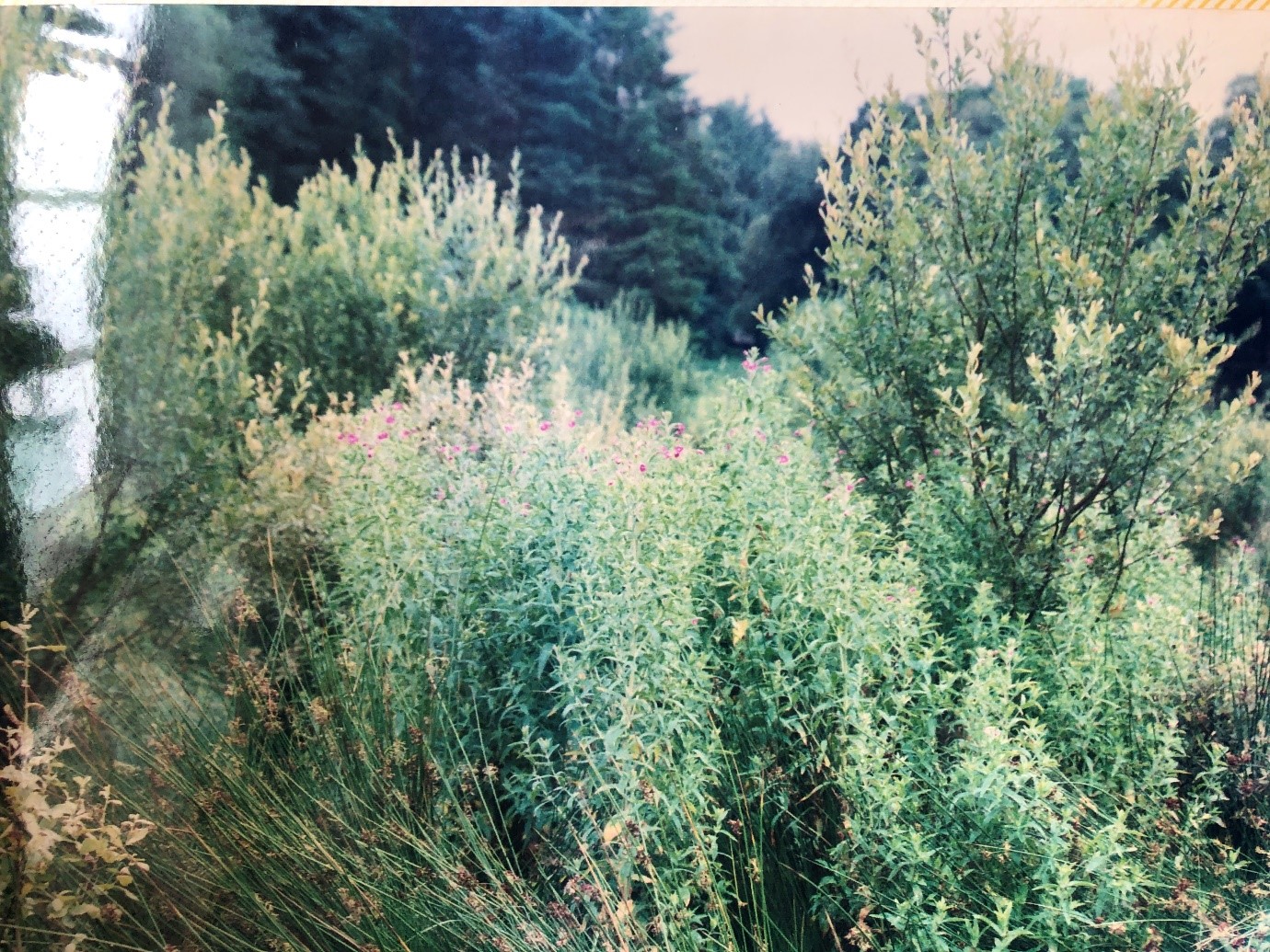
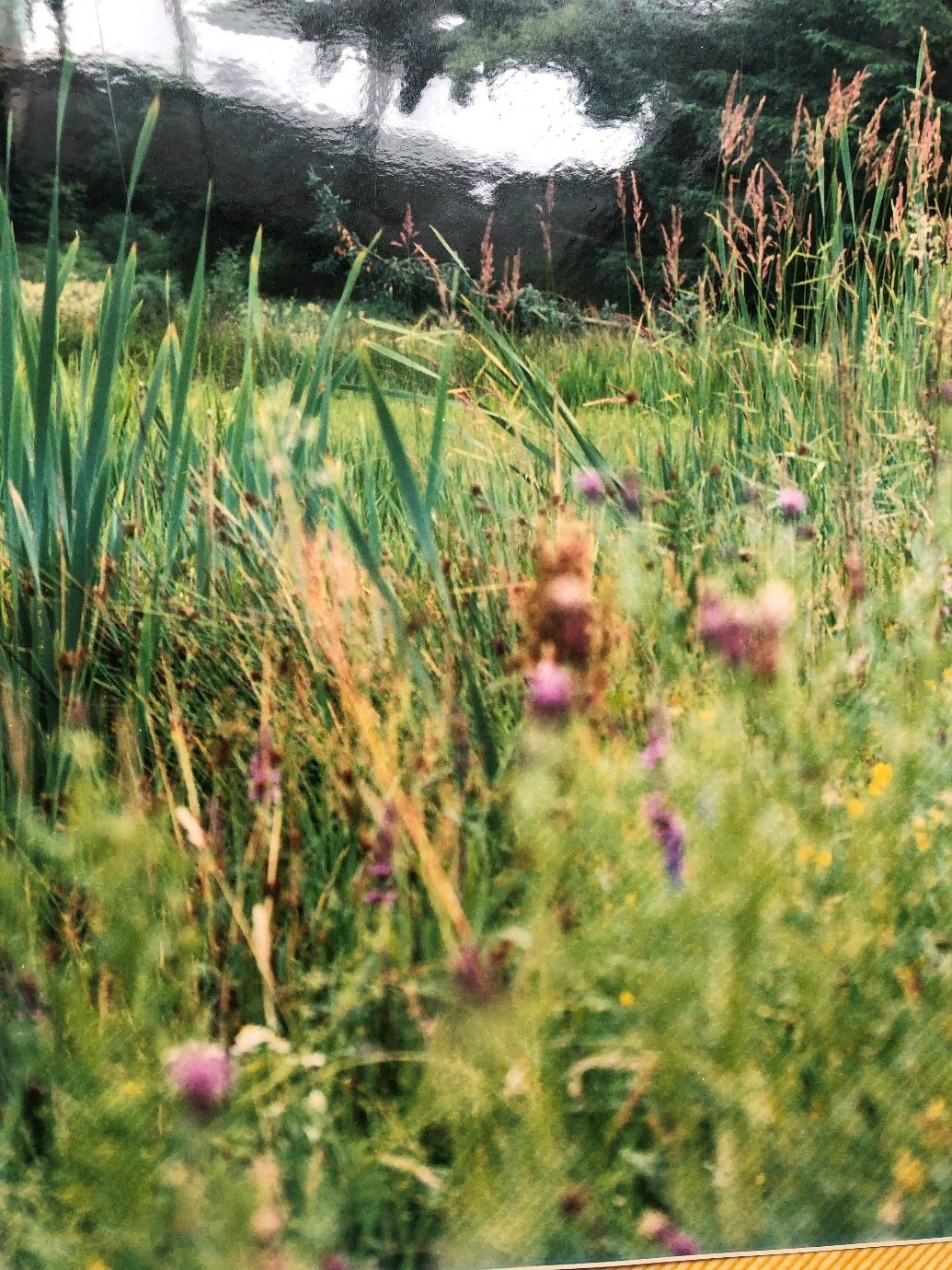
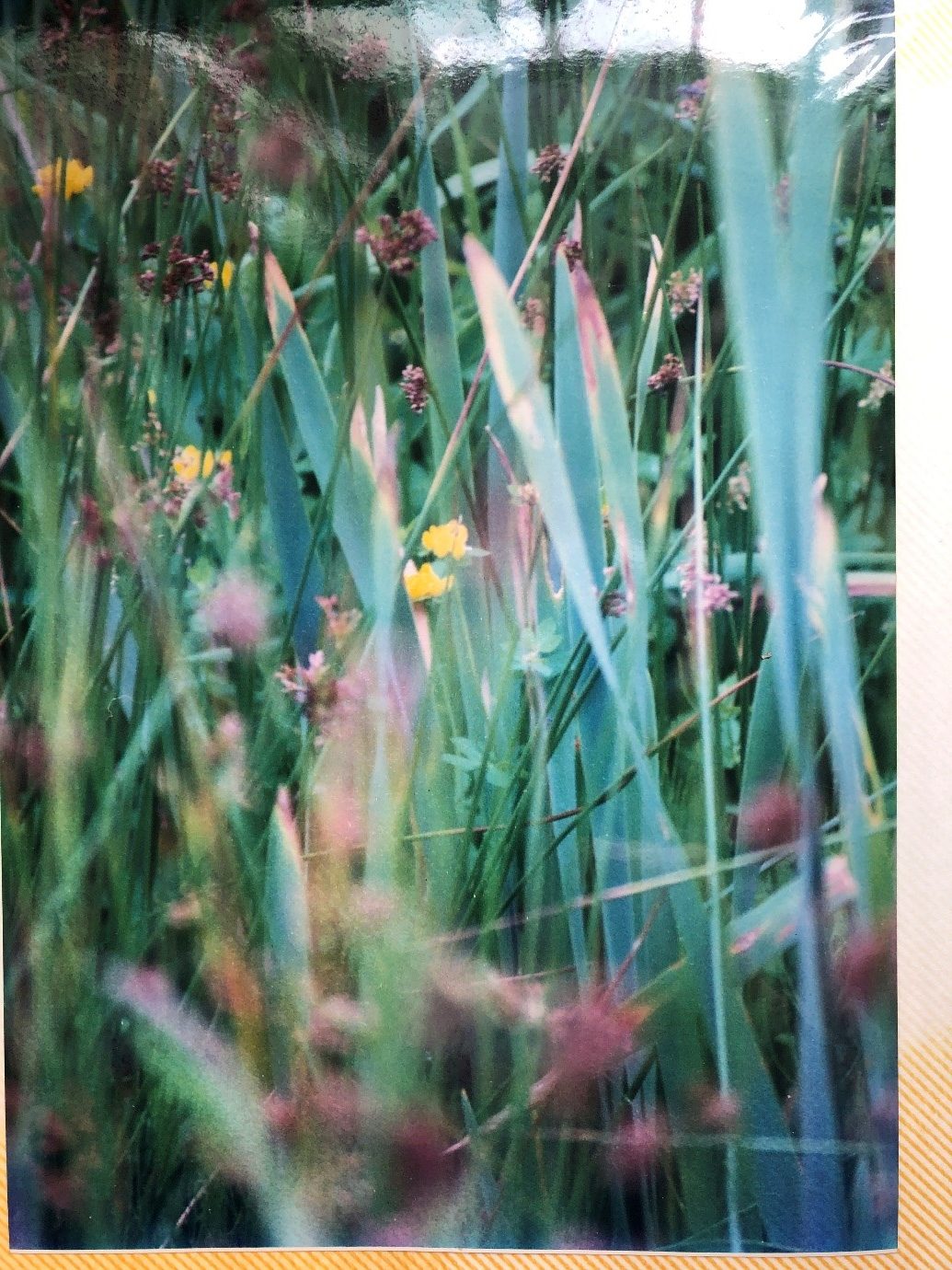
The first four photographs were taken in Scotland in 2001 on our tour of all 34 minewater treatment sites that had been created in the UK at the time. The Coal Authority had one or two magnificent sites such as at Mains of Blairingone designed by a retired soldier with the help of SEPA. The reed bed was not a monoculture which most wetlands are apt to be and had developed naturally with orchids and willow and alder carr at the back end.
The last picture. Also in Scotland (Gaimes) was titled in the album as ‘is this a wetland or the Maginot Line?’ and referred to the rigid structures that were then prevalent in minewater treatment lagoons.