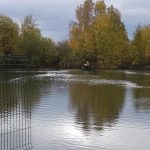
Trent View. Not this year as yet!
Introduction
The Trust has been active across many areas of interest this autumn, energy from river flow, heat from minewater, cormorant and heron mortality, research on a site in Doncaster for a planning application, Kent aquifer investigations, issues of Yemen and Somalia. The Trust has been reminding itself of fluvial issues on the Mekong River in South East Asia and has been advising New York State University on plants native to Kuwait. These issues have included new contact with University of Nottingham, Imperial College, and the Linnaean Society of Bordeaux.
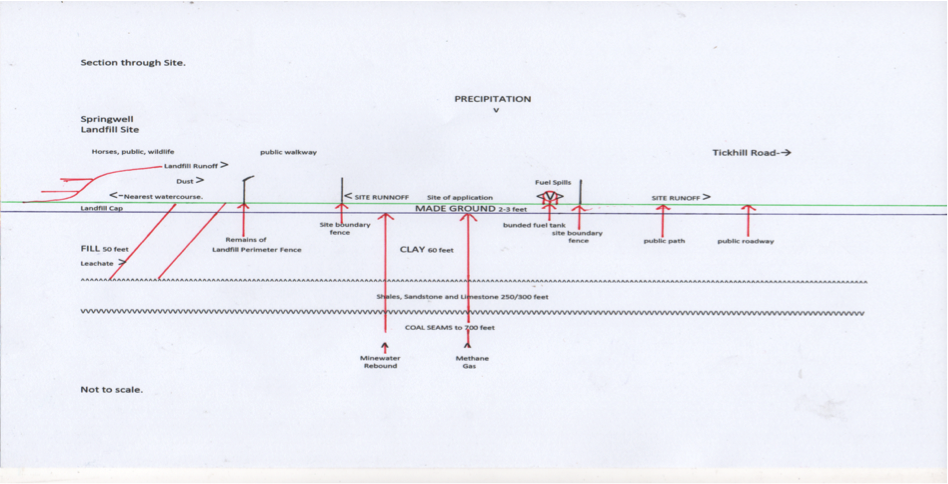
Doncaster site
Issues regarding oestrogens and their effects on fish populations in British rivers is becoming a little clearer with the angling fraternity remarking on the number of apparently mutated specimens caught this year. Such background information is vital, but the Environment Agency are still loath to take up the issue or pursue it further than that they are await direction from Europe.
There is much research being carried out by water companies independently and with universities but little is being made public due to the likely consequential implications of cost that will inevitably be passed on to the public through water bills. Since the water regulator judged recently that Thames Water could not levy a ‘one off rate’ to put in place the initial investment funding for the Tide Way Tunnel Project several utility plcs are loath to raise the subject of increasing costs for environmental protection or remediation beyond the statutory needs presently accepted.
The Trust might find a role in this area that will grow as the water industry could favour the honest broker position that the Trust holds and as it is unconcerned as to others, both individuals and pressure groups who might be critical of our catholic methods of working with regard to an honest approach. DEFRA are funding a socioeconomic research project to quantify the situation which starts later this month (December).
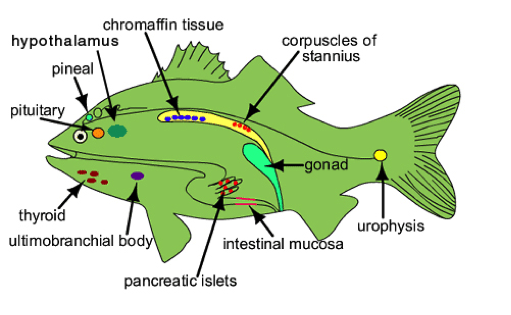
Endocrine areas of a fish
The work on energy from minewater has brought the trust into a collaborative with Mo Kelly of SASIE, a low carbon, renewable resources installation company with an ethic of doing projects and not looking to question the theory or need. This attitude has been refreshing and the opportunity to trial in the UK looks better than ever before in this area. The initial region of interest is Nottinghamshire but as has been said before it is a national resource where ever mining has taken place.
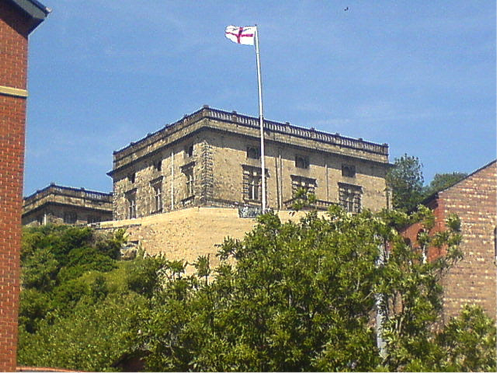
Energy beneath the seat of local power.
There has been a meeting with Nottingham University Department OF Architecture and the Built Environment which went well with regard to the use of minewater but the funding opportunity for a Smart Bid is too short to get it coherently in place.
The Trust will being talking with the Department of Energy and Climate Change about this shortly and trying to get minewater accepted onto the Government radar.
The issues of cormorant and heron mortality are rather grisly as it has involved several unrelated instances of trapping or shooting birds illegally. The police are involved as are many of the wildlife trusts. There are concerns that some otters have also been killed. Cormorants have always been a target for anglers’ anger/frustration, but the heron culling is a new phenomenon. The otter is considered by many to have been conserved too well and are now putting fisheries at risk. Will the water vole be next?
The Kentish water project has gone very quiet with the invoice for the first period of work unpaid at this time. It is a shame as the concept has a great deal of merit and the Trust could help move it on as has been shown in the past with similar projects.
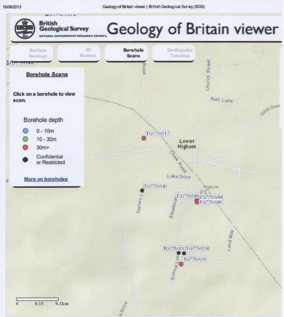
Higham borehole location plan
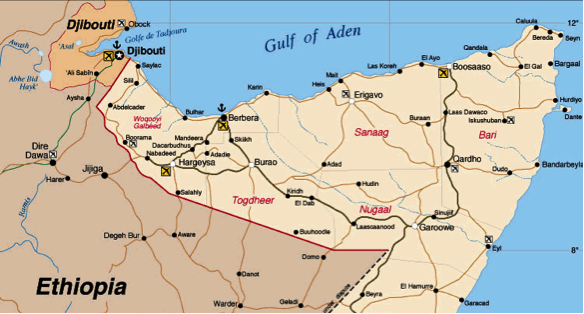
The Yemen and Puntland schemes are still on track and are awaiting funding to be made available. When that arrives it will be all hands to the flak jackets!
The Doncaster planning project involved a phase one contaminated land desk study and visit; the first full report to this standard after the changes in regulations were made that the Trust has carried out.
Work on the fracing book is underway though the situation is changing almost daily with regard to issues that are being raised and government department stances, so it is not an easy thing to put together at this time.
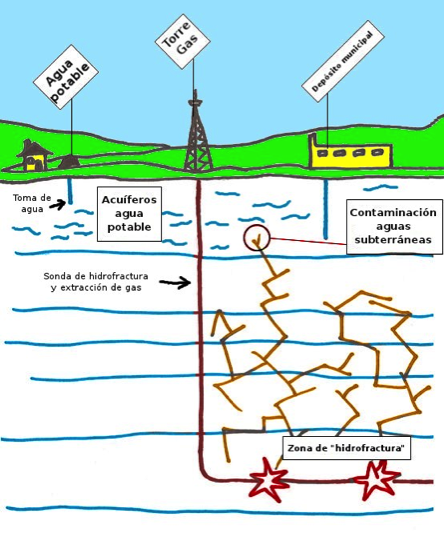
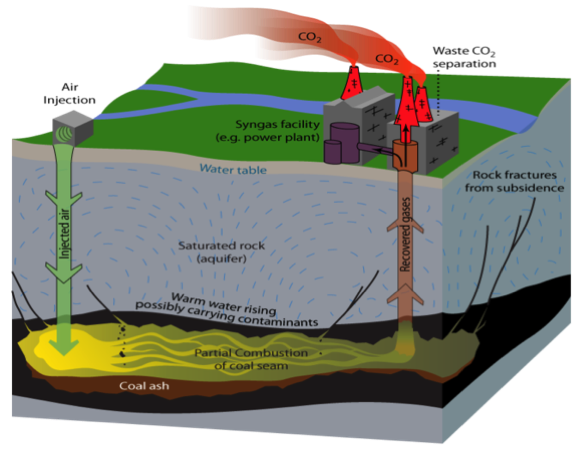
An interesting anti fracture explanation of concern (above) and not dissimilar to the Spanish project of burning a coal seam in situ (Teruel) of the 1990s which failed due to the coal seam and aquifer being adjacent (below). The effect of the water of the aquifer meeting the combusting coal in seam sent at least 100,000 gallons of phenolic liquors out of the system which was deposited across the surrounding landscape.
The Trust has attended several Foreign Office and other events that have been involved with a range of issues; Gambia, Cote d’Ivoire, UK Overseas Territories, Kenya, deep geothermal research in the UK and overseas amongst them.
The library continues to elicit use and has been accessed by 36 different organisations; mostly resident groups, who have needed clarification of environmental details in assessments that have been published as parts of planning applications.
Future issues that are rearing up upon us are overshadowed by the government developing plans for a Severn Barrage; this old chestnut is this time going to run and run. The renewable energy concept will put nature conservation in its rightful place; a backwater, as the government gets rid of ‘green crap’. Views please.
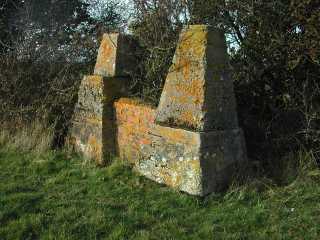
Balloon anchor point for Severn Barrage survey 1894.
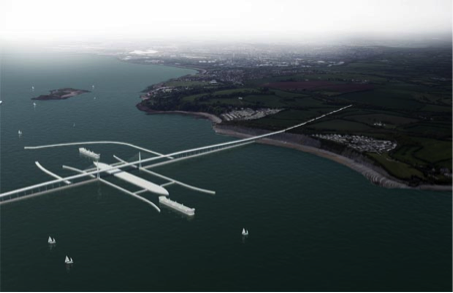
Severn Barrage Concept Drawing 2013
Have talked with one of the Directors of Blue Frog Scientific, based in Edinburgh, they have a wide interest in chemical testing and environmental fates of compounds. There is an outstanding invitation to visit them at some point and to discuss any synergies that might be worth exploring.
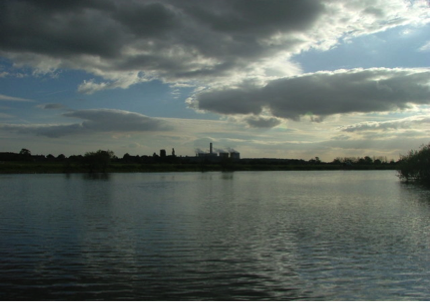
River Trent, North of Cromwell.