2022 marks the thirtieth year since the Trust held a public meeting in Rotherham to look at concerns for the River Rother. The meeting was filmed as part of a documentary on the work the organisation was carrying out to bring rivers and other environments back from the brink of total disaster. The finished film was broadcast in the ‘Not in Our Backyard’ documentary series by Observer Films. The river then was in a deplorable state and for most of its length a dead river. Underwater footage of the condition of the river was another feature of the documentary. No life could be found in several samples taken at various points along its length and its tributary the Doe Lea.
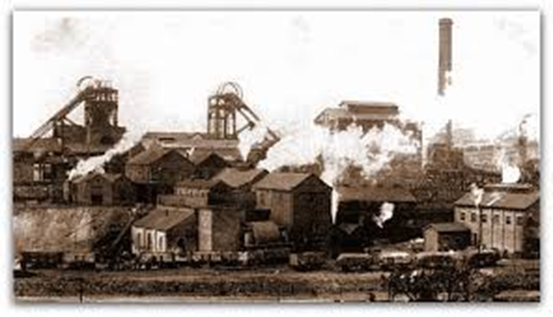
Its main problems were various, though mainly related to coal: minewater, spoil run off, coal based chemical discharges, coking works, including the infamous Coalite plant downstream of Chesterfield which discharged into the Doe Lea Brook one of the river’s most polluted tributaries. Other chemical works added to the chemical and metal stream that passed for water in its flow. Poor quality sewage treatment discharges added to the putrid mix.
Why Us.
The Trust had developed in 1990/91 engaging with the sewage pollution of the River Trent. We had worked with the water company, OFWAT and the National Rivers Authority to find equitable solutions to the river that could be put in place swiftly to rectify the situation. The major issues that were threatening the Trent’s water quality being increased sewerage waste loadings of the river, mine drainage both from the Nottinghamshire and Staffordshire coalfields, dye house effluents, and agriculture.
Many anglers who had supported our work on the River Trent came every weekend from far afield, the Mersey, Ayre, Bridgwater Canal, Don, and Rother. All dead catchment to a greater or lesser degree but there were no competitions or a surety of catching a fish on their waters if there was any life present. They all came to the Trent. For some recompense for their support, we started to do what we had done on the Trent on other rivers. The Rother and Don were a priority as they are at the end of the Trent discharging into the Humber Estuary.
How.
Public meetings, news cameras, meetings with interested parties. The National Rivers Authority and the water company agreed a program for the clean-up of sewage, British Coal said they would support our goals, not long after coal ceased to be mined in the catchment. Meetings with chemical companies from Coalite to Rhone Poulenc demonstrated interest mixed with embarrassment. We were not blaming any one though all were responsible. We proposed solutions and offered ways that benefited companies’ bottom-line profits if possible.
We found many doors were opened to us without having to knock too hard. Some opened when they saw some highly polluting companies working with us. We made friends with many specialists from many companies who began to clean up their discharges. Some sadly shut, leaving behind massive issues that their parent companies thought insurmountable. Sad as the answers were never totally without hope.
Today’s Issues.
There are some sites that tax one’s imagination, they are dreams to temp one to hope that the next e mail will let us tackle a long-standing blight we dream of. Many that we identified 30 years ago have been remediated, most expensively, they have required heavy engineering and now old-fashioned methodologies. The Trust was using samples from the Rother catchment and growing a variety of plants in substrates taken from outfalls and downstream of many chemical companies and other sites. Willow, aspen, holly, Club rush, Typha latifolia, Juncus and others were trialled and found all had a role depending on the pollutants. Severn Trent Water helped with analysis of more than 250 samples. Pollutants included PCBs, Dioxins, iron, aluminium, zinc, chrome including chrome 3, and other locally common determinants.
The River Today.
The Rother and its tributaries are cleaner, fish live in much of its catchment, time has worked its magic along with depression and closure of industry in the area. Much of the region has suffered huge human deprivation with loss of thousands of jobs, long-term unemployment, and social change. The environment has though gained much and is increasingly demonstrating this. Water voles and otter are noted to have returned to some areas.
The river system has throughout the last two hundred years been moved and straightened, canalised, culverted, mills have come and gone. There are active and energetic groups doing much to renaturalise the course of parts.
The river system still suffers some huge problems that seem intractable. The most prevalent sources of concern being from contaminated land. There are still areas close to the river draining polluted surface waters into the river and further away adding to pollution loading to groundwater seeping into streams and brooks as well as the main flows. Diffuse sources of contamination are recognised by the Environment Agency as their biggest concern in this and the River Don, to the North.

River Rother Catchment.
Most recent detail of the water quality of the river from source of Doe Lea to the Rother’s confluence with the River Don.
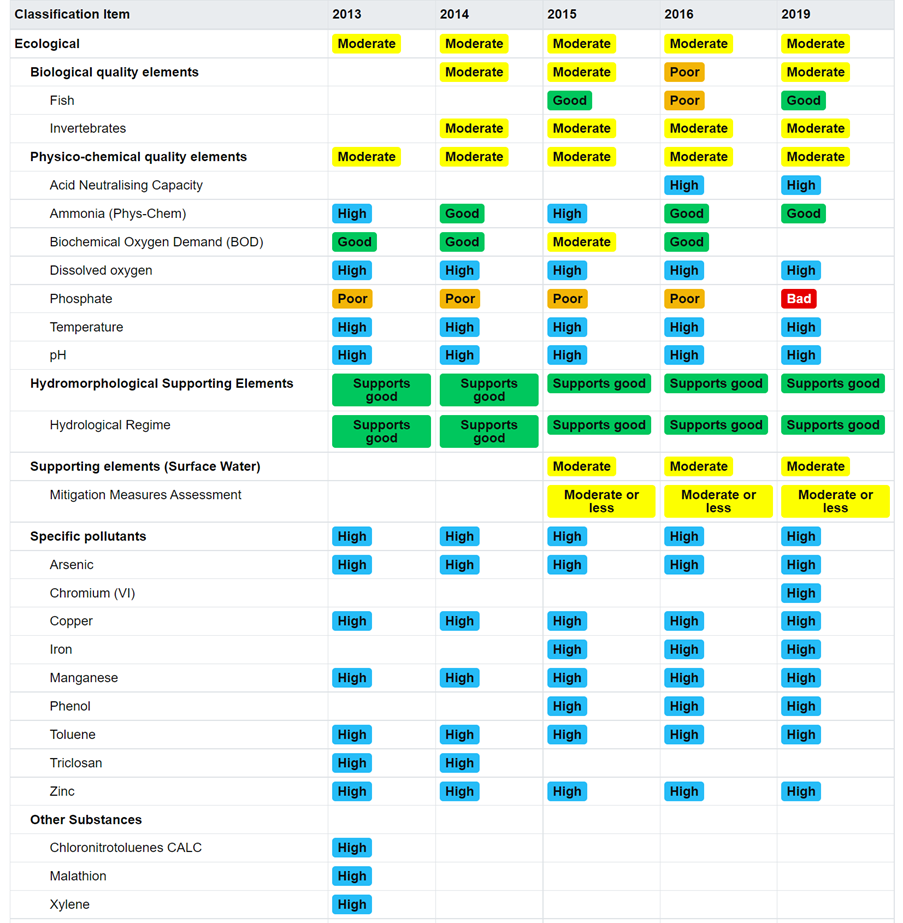
The above chart of pollutants demonstrates that sewage, except phosphate levels are increasing less of an issue, whilst the water chemistry shows a near total loss of metal pollutants. These prior to the late 1990s present and formed a loading that ensured the river suffered from gross pollution.
Other metals have been demonstrated to be present in concerning amounts and are recognisable to have come from historic industries present in the area from Victorian times up to the end of the 1990s. other materials such as chlorides are likely to be from mining activity as either discharge from shallow workings or drainage from opencast coaling activities.
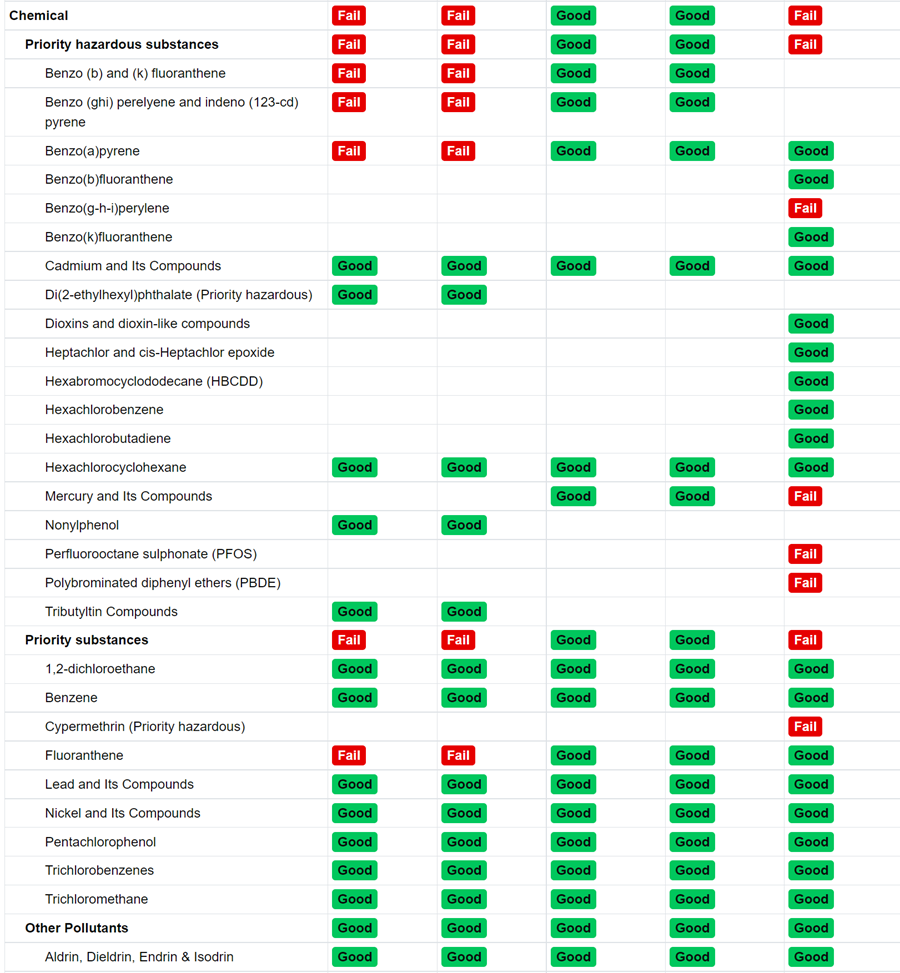
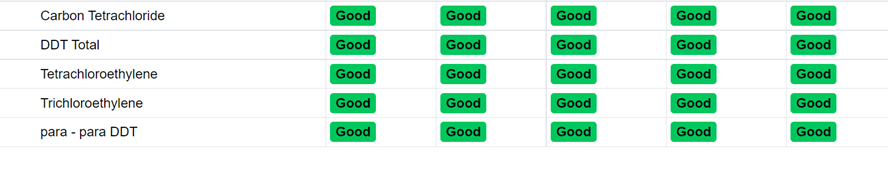
The above chart demonstrates that the river is suffering major pollution from a wide range of chemical pollutants and compounds that enter the river in wetter years and are less pronounced in dry periods. The timing of sampling may also be an issue. In times of high river flow pollutants may be expected to be diluted to far lower levels and give false surety that their presence if present at all is negligible.
Water samples allow for a good understanding of water quality, but little is understood as to the quality of silts present in the catchment.
The chart further allows one to see that certain specific compounds (Priority Substances) are not present, but others must be, due to their broad class failures. Like all edited data the reading of what is not presented is more vital to comprehension of the true state of the river environment.
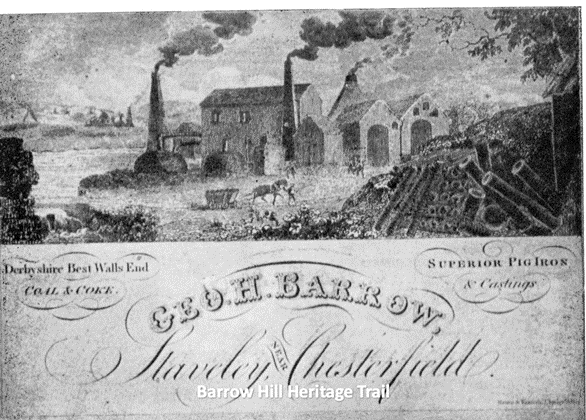
One site that dominates the area, though now it is only a patchwork of concrete bases and stone and brick waste interspersed with a developing flora, buddleia, aspen and briar was a large works that had been established upon an ever-growing site at Staveley, close to the River Rother. The works closed and the site cleared of any trace above ground level. The historic wastes though that have accumulated over the one hundred and seventy years of its existence though show themselves in the river chemistry and the contamination across the site.
At present it has no future, plans had been developed for the site, but they were recently abandoned. Today it is a piece of ground that no one wants. That is except the Trust would like to work with those that have the lease and develop a scheme to decontaminate the land over time. This one action could do much to improve the Rother and benefit the surrounding community. We just need the chance!

References.
https://environment.data.gov.uk/catchment-planning/OperationalCatchment/3385
https://dondearnerother.org/wp-content/uploads/2020/12/Catchment-Plan-2020-FINAL.pdf
Documents from the NRA, EA and other sources held in the CRT archive.