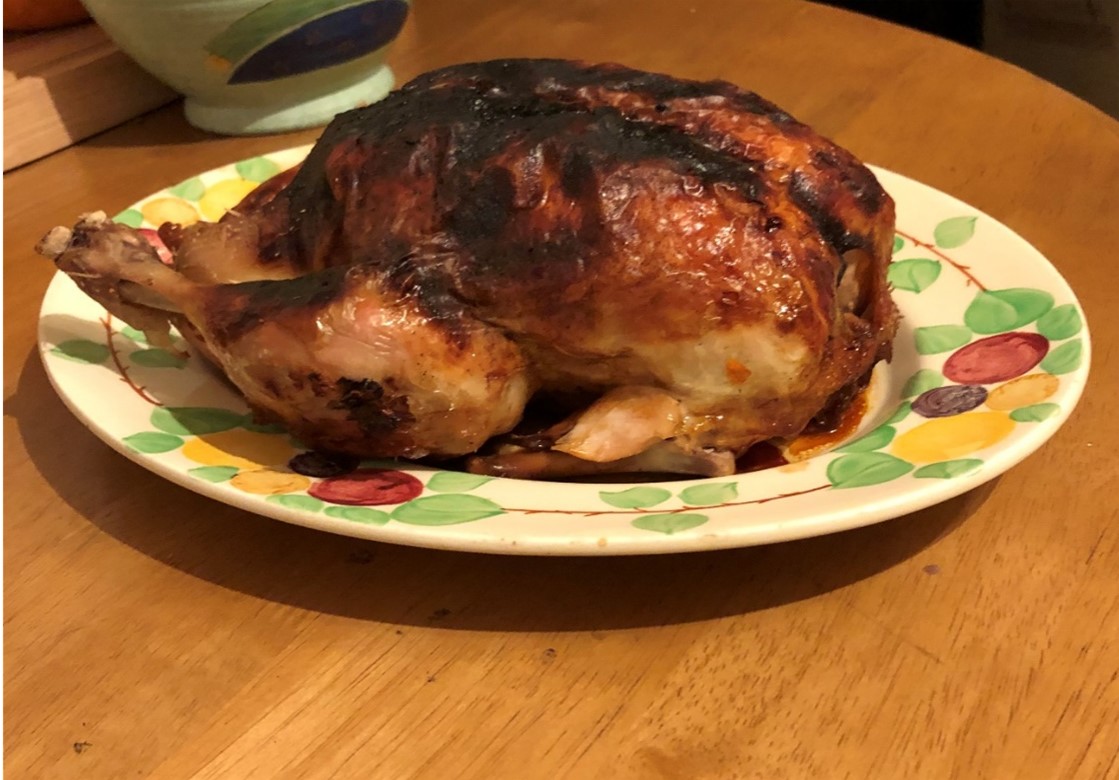
The River Wye is under stress from the chickens being farmed in industrial numbers within its catchment: this is the environmental campaigners’ view regarding the state of the river. Campaigners are calling on farmers and regulators to act. National newspapers are happily going along with general hubbub. George Monbiot is calling on all people who care for the rivers of the nation to become vegetarian, or at least stop eating chicken or free-range eggs. He feels that any campaigner for clean rivers suffer from double standards if they do.
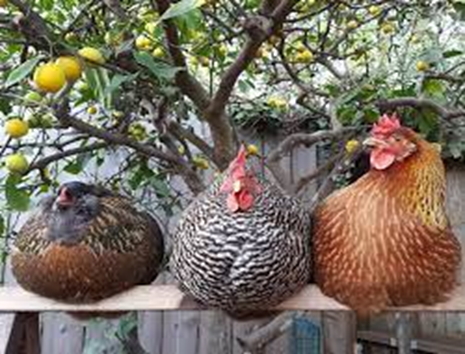
It is worth thinking back thirty and forty years when free-range meant chickens that pecked about one’s backdoor step and were only locked up at night to protect your small flock of birds from fox predation. Today ‘free range’ is an industrial operation as the country requires its fill of cheap meat from relatively happy hens. Eggs to please the devotee of soldiers pushed into an oozing yolk are also laid in a more humane environment. Before the free-range fashion, protesters for happier hens and their need for space, space to walk around: hens lived in a near hell, they lived in battery houses in ammonia reeking conditions, caged and often lost their ability to stand. Hens pecked each other, sometimes to death due to boredom and stress.
Today we are questioning if farmers in the UK should rear any animal for food in an economic manner. This could be a concern regarding the cost of animals that are grown in conditions of rewilding. These creatures will be ‘premium’ price and only the well healed may be able afford meat in any recognisable form going forward into the future.
The Problems.
The agricultural land within the catchment of the River Wye and its tributaries including the River Lugg are a notable centre of intensive free-range poultry production. It is also the source of serious nutrient pollution of the river, coursed by poor management of an
Much of the pollution is brought about by excess chicken manure, before the hens were cared for better their waste was comparatively minimal in volume but concentrated. Today with free-range stock the birds are on litter, composing of wood chip, shavings, waste straw or paper and the birds’ faeces mix. They take up more land space as does the waste.
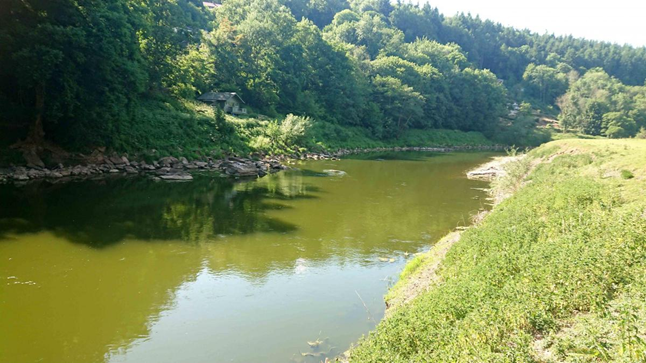
The waste is hard to dispose of as its ammonia content, which breaks down to nutrients can only be applied sparingly to crop producing fields. Copious amounts of the waste drains down to the rivers by ditches and streams to the main rivers creating a rich soup of algae that when it reaches a point when it flowers and at that point creates a toxic effect on the water and at the same time an oxygen sag in the water. This can kill vast numbers of fish and invertebrates.
In parts of the Wye catchment the problem is exacerbated by the issues of sewage disposal, storm water overflows and septic tanks, artificial fertiliser use and lack of care by a few farms with chemicals. In field arc raised pork and poor cattle husbandry all add to the mounting problem.
The Future.
The development of farm green initiative support by Defra in the next years may allow for new and attractive methods of treatment for chicken waste; wetlands to treat runoff rather than overloaded ditches, the creation of biochar to be used in the restoration of contaminated urban areas and to aid carbon sequestration, plus other less suitable methods such as distillation to methane and other greenhouse gas generating fuels.
No river system in the UK or Europe is in a good condition at this moment, we have said this on our web site many times before, but they are still better than they were in most cases one hundred years ago.