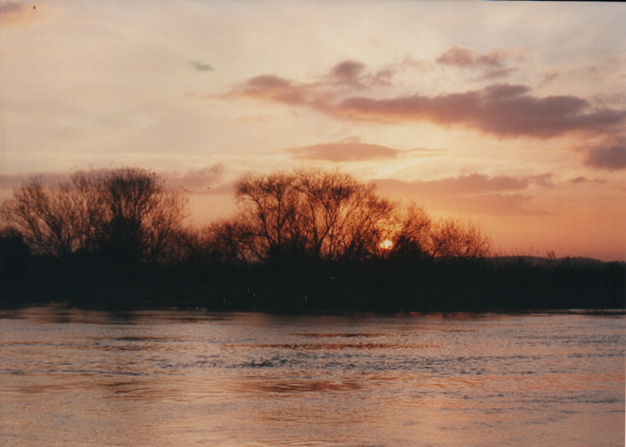
Thirty-two years ago, a meeting took place in an upstairs room at the Kings Head at Newark in Nottinghamshire between two anglers and myself. They had recognised that the River Trent was n crisis, the river was polluted and returning to what it was thirty years previously and was a dying river. Fish stocks were dwindling, and all was not well. The river has always been an important recreational and match fishery and used by anglers not just from the local area but from much of the North of England; Manchester, Lancashire and Yorkshire sent coach loads of anglers to fish the Trent every weekend. Their local rivers were nearly dead, and the Trent was likely to follow, if no action was taken.
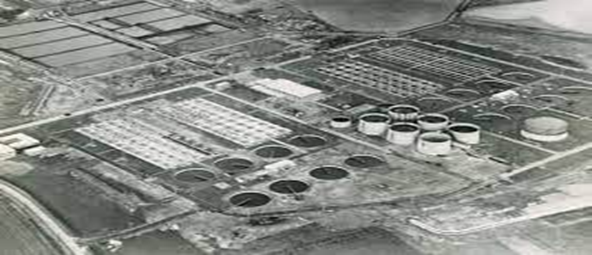
In the next few weeks, the major and obvious issue was identified, sewage. The media were involved and talks with Severn Trent took place, they saw the problem and agreed to upgrade the sewage works at Stoke Bardolph, where the sewage from Nottingham and a large area around are gathered. There was a problem, the National Rivers Authority, the new regulator had to agree with the new water company applying for a variation of it’s AMP 1 budget to OFWAT the industry regulator. This was achieved relatively swiftly and £36 million of extra funding was sanctioned.
The organisation was name Clean Rivers Campaign then and those involved saw the need to push forward with other rivers, the Severn, Don, Carnon, Mersey, other Humber rivers all were worked on. Others such as Thames tributaries, streams and rivers of Kent all followed. Rivers of Scotland and Wales were introduced to the Trust by British Coal and angling miners across the UK. This was growth at a remarkable rate, and we became a charity and renamed Clean Rivers Trust between 1992 and 1994, once we proved to the Charity Commission that this was not a political organisation. Our presence across all the media at the time was a concern for our registration.
The other pollutions started to be obvious as sewage started to be treated by the newly privatised water companies, othered pushed their presence to the fore, particularly that from mines with the Wheal Jane minewater rebound in Cornwall in 1991. Red water, some acidic others net alkaline, heavy in metals that coated rivers with iron hydroxide, lead, aluminium, zinc, arsenic, cadmium and much else besides.
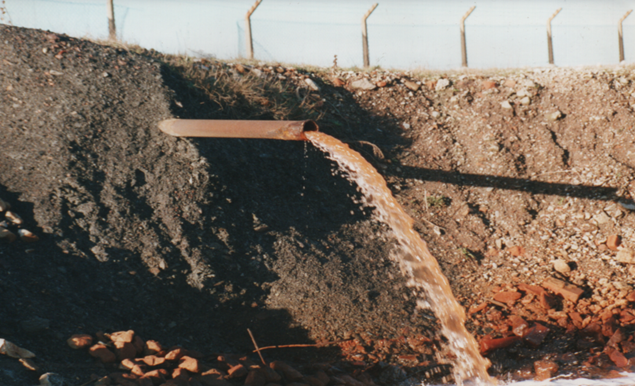
Doe Lea River, Derbyshire.
We worked with British Coal, the mining companies in the UK, from 1994, the then new Coal Authority looking at treatment methods and ways to develop uses for the pollutants, the heat, and the water itself. Ways to help cover or recapture some funds to take treatments to more sites, there are still hundreds of sites that need to be treated. Each is an individual, no off the peg solution is ideally suited as each minewater is as individual as the geology from which it originates. This work continues.
1n the mid 1990s we started research on endocrine disrupting chemicals, from pharmaceutical companies and often via the digestive tracts of the country’s population. A problem that continues, to develop as the country cannot develop a strategy for paying for these chemicals to be removed. There are expensive methods and low-cost treatments, but each treatment site varies in size and the low-cost methods need space. The major sources are urban areas overall are the sites that treat urban waste and are those most cramped.

We have researched rural and urban pollution sources, many site specific, others diffuse. The later are a devil to pin down at times and we have learnt to learn the industrial history of each area we start to examine. The Forest of Dean was a good example, a stand of forest away from both iron and coal mine sites but a small stream was dead, as were the odd sheep who entered a stand of trees. We learned the site had been the location of a chemical factory from the First World War pulled down in the 1960s. It had made poisons and later the base pigment for the ink for printing the Bank of England’s bank notes.
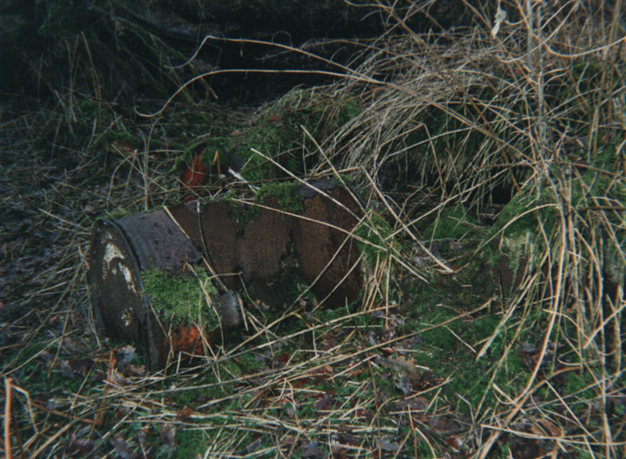
The Trust has never been idle, as this web site demonstrates, the most recent success with the use of willows and composts to treat acidic quaking carcinogenic tars is well covered. The treatment of an acid lake will be well covered over coming months as will the decontamination of other acidic sites in Derbyshire and Cheshire.
Again, time to celebrate an anniversary!