Derbyshire has a multitude of diverse landscapes and a remarkable heritage of architectural gems, many of which are accessible to the public. It has a place within the international lexicon of places to visit before you die. Today that last point may be the guide to a way to increase the economic development of its already well known assets.
Derbyshire has been recognised for its waters, clear rivers and mineral rich wells. The bottling of the waters from several sources including Buxton, Ashbourne and Matlock has been carried out over the last 100 years; more famously the many villages across the county have their own wells which are celebrated annually by well dressing festivals.
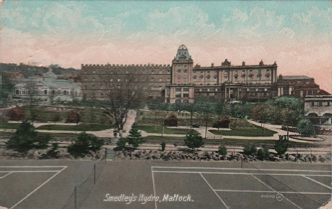
The spas that developed around the thermal springs at both Matlock and Buxton are well known and once attracted people in large numbers to visit the Peak District. Visitors came for the curative properties of the warm mineral waters and from the Victorian period the recreational developments that gave an almost ‘seaside’ aspect, particularly at Matlock; whilst Buxton developed in a more gentile manor with an Opera House and catered for the northern industrialist nouveau riche who wished to partake of the waters and their curative efficacy.
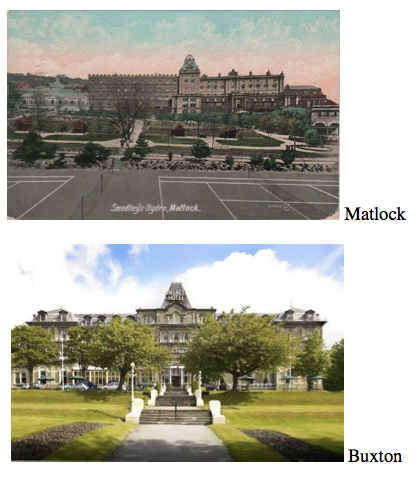
Sadly the traditional spa facilities across the country are now under used many have been closed for many years though conversely there is a major growth in the day spa treatments that some hotels and specialist enterprises offer. The only major investment in their redevelopment has been in Bath with the building of the Thermae Bath Spa project that opened in 2003. There is a similar but low key spa development underway in Buxton. In Europe things are different; there is much activity in spa redevelopments and modernisation, this activity is to be found in Germany, Austria and many of the mid European spas towns that are harvesting the health and life style fashion. One major scheme in north western Italy at Acqui is being developed as the European spa destination of choice.
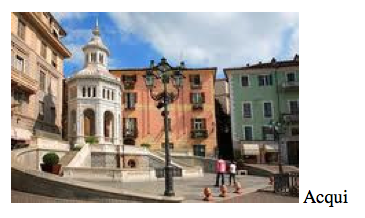
The original Acqui spa was built in Roman times with pools and steam rooms able to benefit from naturally occurring springs with high water temperatures; up to around 75 degrees centigrade. The present spar was redeveloped in the 1880s and developed further through the early twentieth century. The spa declined after the Second World War, this was due to its reputation being tarnished by its popularity with the leaders of the old fascist state. Since 2007 it has begun a major redevelopment program. Its 19th and early 20th century structures are being remodelled, its business plan modelled on the Bath and North Somerset Council’s ambitions for the Thermi Spa in Bath.
The development of new spa buildings is expensive, but where facilities exist as in Matlock and Buxton the costs can be reduced and at the same time allow access to funding both from European Community and National Lottery sources, such schemes tie into both heath and redevelopment of heritage funding criteria. The creation of employment opportunity, increase in visitor numbers and the nock on benefits for other services are all beneficial to the local economy. Of both Buxton and Matlock which already have a reputation for healthy pastimes such as hill walking and climbing the development of renewed interest and enthusiasm not just for the slipper bath, bracing plunges and colonic irrigation but for the young and beautiful to stay that way might lead to future benefits for the community and the local economy.