Clean Rivers Trust has been carrying out work on methods to limit or remove estrogenic compounds that are having adverse effects on the fish and other aquatic wildlife of rivers. The rivers of the developed world have been found to be further corrupted by our modern lifestyles, it is not just a case of swapping genders which is outlined in other reports on this site but that the aquatic fauna are being tranquilised to boot.
Recent research into the divergent pharmacological makeups of river chemistry in UK, European and North America has identified an increased presence of antidepressants in natural rivers and lakes. The presence in the rivers and lakes is reliant on the sources being linked by treated waste water discharges from urban settings. Similar findings have been made by researchers at the University of Portsmouth Marine Biology Department.
The main determinant that has been tracked in the Environment is serotonin which though only amounting to 4% of pharmacological traces in the natural water environment is being shown to have effects on fish, crustacea and invertebrate; the small amounts noted such as one nanogramme per litre effects reproductive behaviour and developmental speed. It is found in all test species to be effecting the delay of maturity, growth rate and behaviour of a cross section of aquatic fauna including avian and mammal species.
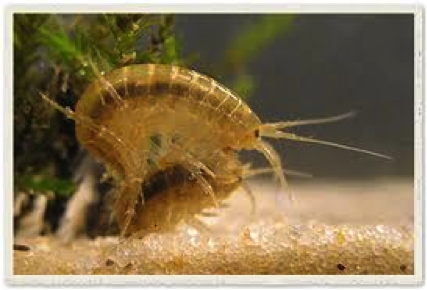
The effects on several common fauna include shrimps that become more active, snails that lose their ability to attach themselves to surfaces, some bivalves spawn at the inappropriate times of year; the effect on pigment control on some invertebrates that can lead to loss of camouflage. Some freshwater crabs have been noted to become more aggressive affecting their ability to mate.

Alongside this research further work has been carried out on groundwater in the UK which provide potable supplies to some major cities. This research has also provided some proof that several aquifers are also affected.
As has been reported by the Trust on numerous occasions over a number of years many rivers are reliant for more than 50% of their volumetric flow rates coming from sewage treatment works’ discharges. The growing concern of lowering base flow emanating from groundwater. This being brought about by increasing abstraction for drinking water supply and agricultural irrigation. This is raising issues across a gamut of areas with regard to the natural environment as well as human wellbeing.
The basic discharges from UK sewage treatment works are of a better quality than ever before and in comparison with those of many European countries far superior, the nature of the small scale determinants are now coming to notice; where once sewage treatment discharges ensured no aquatic life could exist close by are now rich in life. The small scale pollutants are now able to demonstrate their adverse effects.
May 2014.