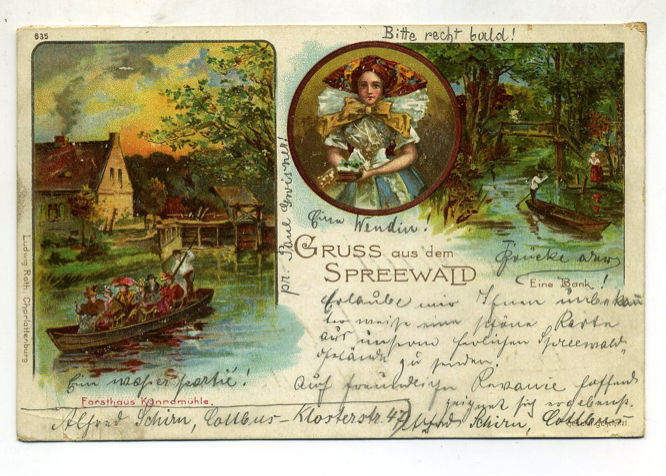
The River Spree is a notable river of Germany that flows through the capital, Berlin. In its upper reaches it is though a very different river from that which the tourist boats ply. Even more remarkably less than 100 kilometres from Berlin a UNICEF biosphere reserve, Spreewald (Spree Woods. It is known for its traditional irrigation system, consisting of more than 200 small canals (called “Fließe”; total length: 1,300 km) within the 484-square-kilometre area. The landscape was shaped during the ice-age. Alder forests on wetlands and pine forests with sandy dry areas are characteristic of the region. Wet grass land produces rich hay and the abundant stands of reed are harvested.) is threatened by the planned expansion of lignite mining in the upper catchment of the river. 17 years ago the Trust was involved in some major trials that proved successful in treating some old acidic lakes, remnants of some of the worst designed East German period mine lakes. Acid water kilometres across in all directions and full of iron in solution. The results of these trials proved that much could be achieved and the local government has reclaimed one set of lakes with beaches and new forests, wetlands, seeding the water with lime to neutralise the acidity and installed large filtration plants that have the ability to remove much of the iron and other metals from the lakes. At that time there seemed to be a money rich area and clean up was all that matters. There is not the same money available today, there also appears to be less of a will to come to grips with other sites, old or new.

Germany decided to shut down its nuclear power generation program and concentrate on renewable energy generation schemes. These generation schemes are being put in place but the shortfall in energy that is huge at present and is having to be made up from fossil fuels. The majority of this generation being met by home produced lignite fuelled power stations.

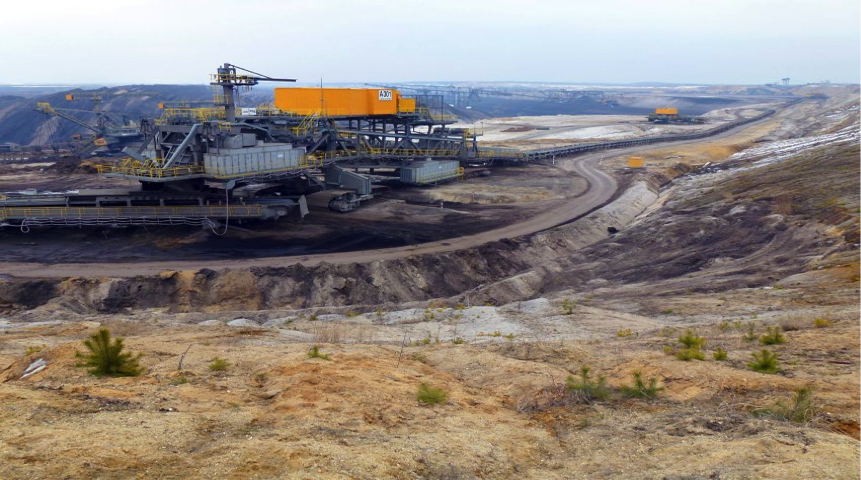
The problems of lignite are that the fuel is highly polluting. The air quality is being managed by scrubbing pollutants from the chimneys of the power stations but the mines which are all open pit operations leave huge voids filled of acid water with high metals content, especially iron. Even in the act of mining, water is drained from the developing hole around the cutters and the worked void and drained to the waterways where it enters the Spree.

The River Spree between Sprenberg and Weisskeissel on the edge of the Spreewald. © Spiegel Online
This area being a major military training area it is not seen by the general public and as such ignored either accidently or judiciously. The needs of the nation for power who if not using home produced brown coal (lignite) would be totally reliant on gas produced in Russia.
Lignite mining in the Lausitz region of the Spree catchment © Spiegel Online
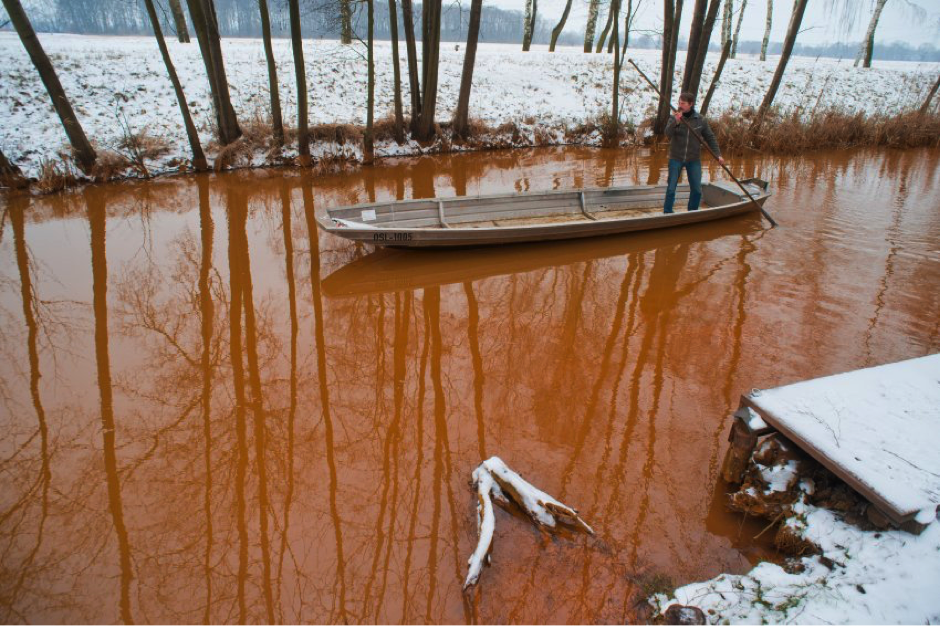
A small tributary of the River Spree in Ragow, Brandenburg. © Spiegel Online. This waterway demonstrates high iron content of the water entering this waterway: it is near devoid of aquatic life and is slowly traveling towards the Spreewald protected area.
The Trust is looking to find ways to allow for tourists and the indigenous population alike to continue to enjoy such a valuable and unique environment. A set of further trials and feasibility studies need to be urgently put in place.