The growing will of developed nations, and others; especially those that are at risk from the consequences from Tuvalu to Qatar are talking in preparatory talks in Lima this week to agree key principals in international agreement and action to be agreed at the Climate Summit to be held in Paris towards the end of next year (2015). The activity of the meetings being held in Peru are developing their own chaotic nature with the apparent fundamentalist attitudes of the environment/green lobby groups, the economic concerns and aspirations of multinational corporations and the representatives of the world’s governments who will try to bring together the achievable elements of the others two’s group views.
The nations that are most threatened by global warming’s most concerning repercussion being sea level rise, followed by changes to global weather patterns. The former concern is likely to render some countries to be stressed considerably by inundation of large elements of their landmass and even total disappearance under water. The latter concern would exacerbate the former in that increasing variability of weather would threaten venerable coastal regions to storms and tidal surges.
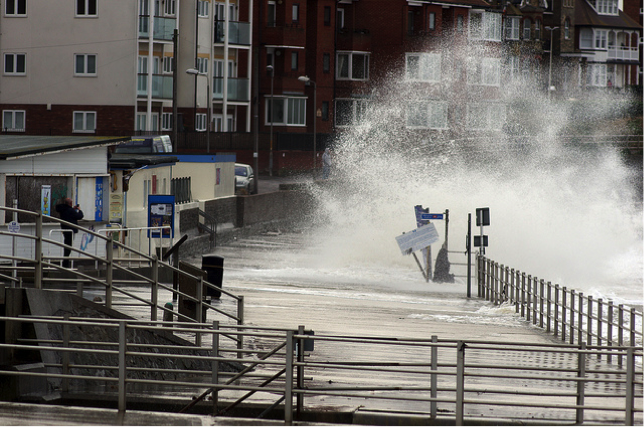
Many of the vulnerable areas are not areas that are able to be sacrificial in that they can be developed as buffer strips to those areas that may be habitable as they are in general the epicentres of population.
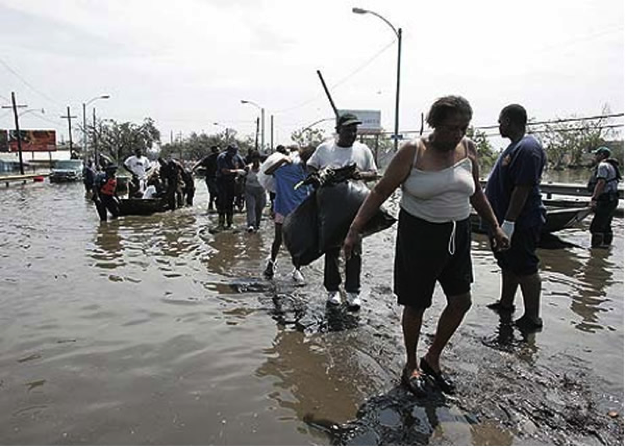
In this regimen it can be understood that such issues as storms and surge tides can have their powers lessoned considerably by the development of defensive structures to protect the coastlines. In the past such structures have been related to the actual shorelines with groins and breakwaters, flood banks and other hard engineering. These structures are now seen to not have the capacities necessary for the conceived tasks envisaged today. The scale of new defences are far greater than lands available about the present shorelines and the lessoning of storm water energy need not be in reality a pushing back of the functioning waterfronts but a creation of new land masses that echo the natural shoreline.
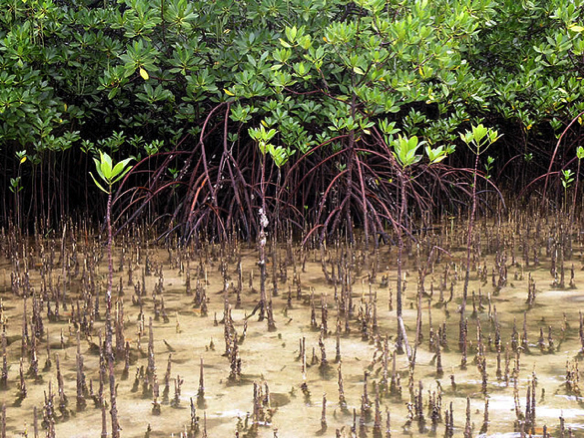
Such structures are naturally hugely costly undertakings and as yet only been considered by wealthy small nations such as Qatar and other oil rich coastal entities. Such structures need even then to function on other levels. The Qataris have begun to demonstrate that such a set of structures can be developed as coastal wetlands that with a sound understanding of such complex eco-systems can be encouraged to function as a carbon sink into the future. Such structures are part of the UN Blue Carbon initiatives program. Each such wetland has to be treated as its own entity and a design rolled out from a design manual.
The development of Blue Carbon initiatives to become part of the protective set of initiatives that can be considered in the dense population areas, the New Orleans edges of the Gulf of Mexico, the Ganges delta for those living in Bangladesh and the north eastern part of India. Other areas being in the deltas of the Rhone, Rhine, Danube and many other locations.
The problem for wetland reestablishment is tha,t globally, local areas it is still within living memory that landowners were paid to drain and reconfigure marsh areas of estuaries around every landmass. Wetlands were considered the source of malaria and many other community threatening diseases. The land was seen as wasteland and unproductive. These areas were seldom protected and developed where ever possible. Today the reverse is now considered desirable and the economics of carbon storage are pushing forward the fiscal possibilities to reintroduction of these natural carbon sinks.
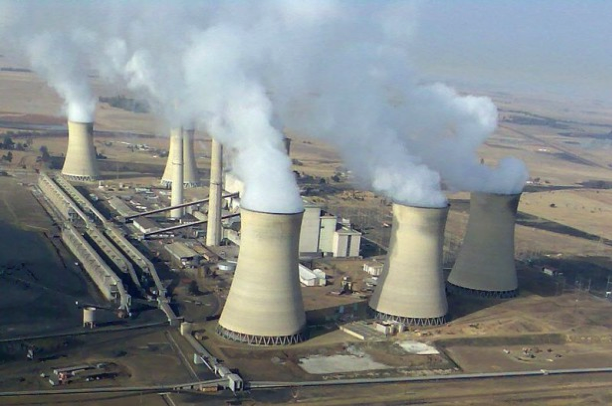
The need to look towards wetland reestablishment is desirable and nations such as the US are seeing Blue Carbon as a viable way of substantially mitigating the use of hydrocarbon energy resources. With the backing of the US the federal government is giving ‘sweeteners’ and allowing in the trading of elements of this carbon management opportunity. The use of the market is an interesting development that may allow the US to sign up to stringent checks in uncontrolled carbon deposition to the natural environment.