The Trust has visited Turkey to conduct a varied selection of tasks and research during July/August this year (2022). This was the first time since 2019that a protracted visit was possible due to the Covid pandemic.
Apart from passing on the outline of a scheme for refugee heating, lighting, and irrigation of gardens, already covered on the web site several other issues were researched and others brought to our attention. Each of the following will be covered in detail shortly, but the following is a brief outline of activities.
Burdur Lake.
We have outlined this lake before but now the Mayor and regional government are looking for solutions to the issues of pollution and shrinking water volumes. Much that has been published over recent times online and in the media has been inaccurate or simply wrong. Research will be undertaken, and workable solutions outlined shortly in fuller posts.
Chestnut Forests.
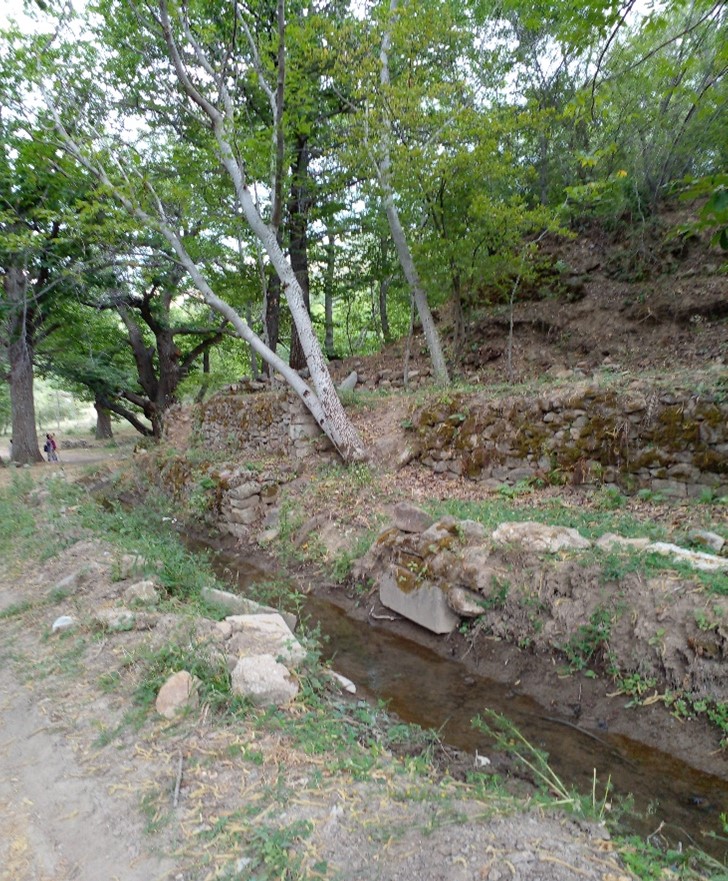
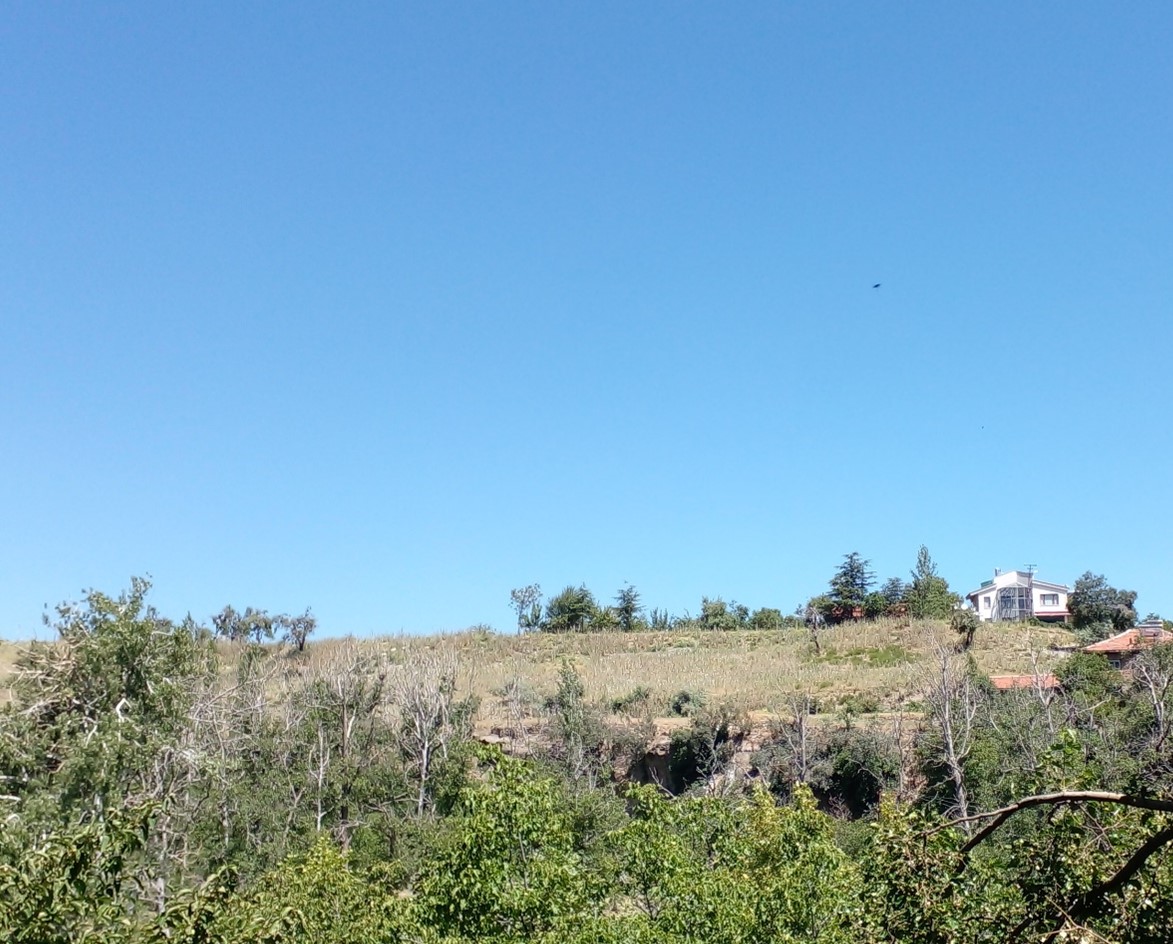
Outside the city of Isparta there are locally important forest plantations of Chestnut. These trees have a modest economic benefit to the community and are the vestigial remains of far larger plantations that have been lost due to the city’s expansion. The forestry has been nurtured with great care, ancient, in parts more than a millennium old irrigation schemes are kept functioning by the community who harvest the nuts in the autumn. Water is stored in cisterns and when needed released through a series of small water courses down from the mountain above to slowly spread water across the forest floor. The forest floor is made up of many channels and flat areas that flood and allow further inundation by intricate pipework allowing water to be taken for many kilometres around and down the mountain side. Little water is wasted through what is a remarkably elegant and ancient system that was adapted for the first trees planted on what was once cereal producing terraced farmland for more than a thousand years before the forest was created..
Sadly, there are problems that may bring this way of life for the local people to an end. Firstly, too few of the young people are learning the old ways to irrigate the trees and secondly the trees themselves are starting to die off, at the forest edge. Blight has spread from the west around Marmaris where the disease was first noted in 1965.
Plastics.
Plastic exports from the EU and Britain being dumped in parts of Turkey including the Taurus Mountains area has been noted by the media as a major problem. On visiting the Taurus to assess one of the believed locations it was pleasing to see that what were considered an illicit waste site turned out not to be so. The only plastics found were 20kg plastic bags of cement/aggregate placed to rivet a trackway. Much of the structures had collapsed looking horrid and worse allowing the plastic to break up into the water flow.. A rough and ready job but certainly not exported waste.
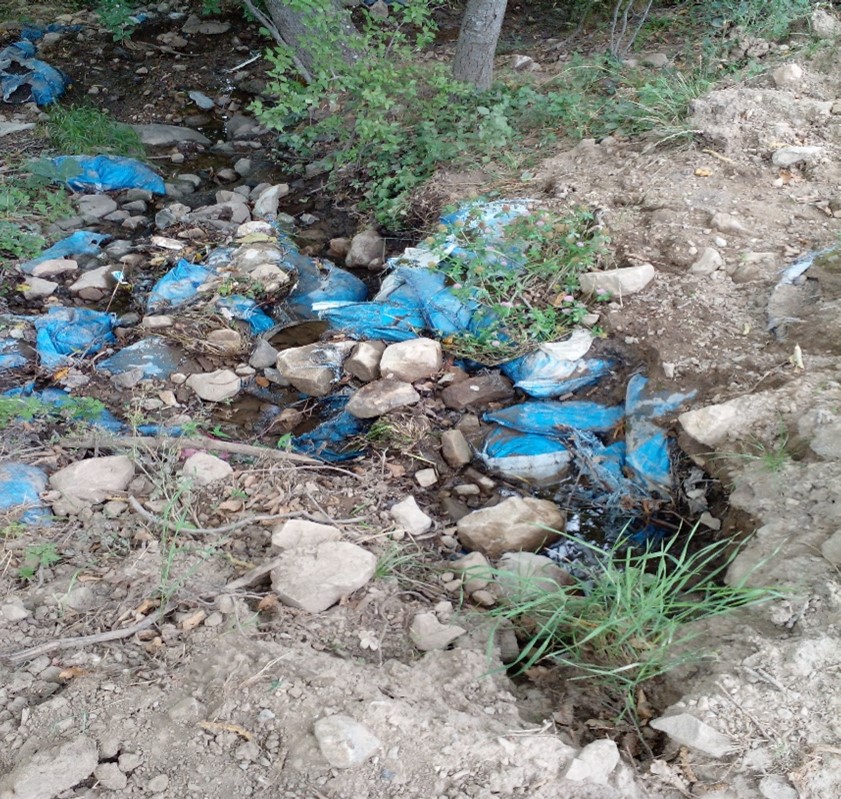
Turkey has a well-structured collection system for most plastic wastes which sees such waste collected even from litter bins in the cities so that little ends in landfill, unlike much of Europe, North Africa, or Asia.
White Seabream.
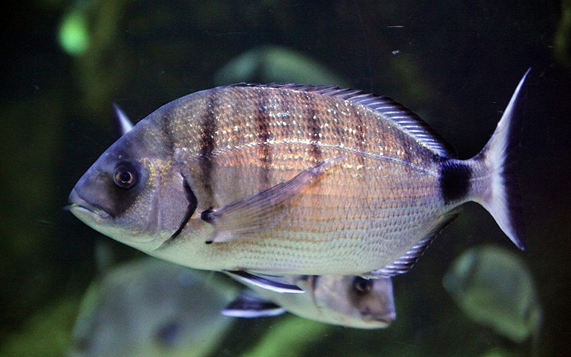
A new area of research for many organisations is the White Seabass which in its juvenile form will quite happily bite swimmers in the waters off Turkey and anywhere else in the Mediterranean Sea. They have always given an odd nip but now they are much more determined. The reason for this change in behaviour is unknown, the most popular hypothesis at present being global warming.
Bats.
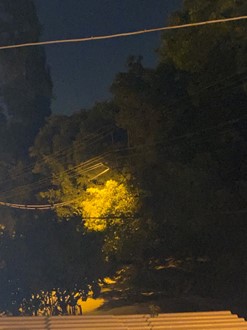
Turkey is a bat spotters paradise with species size ranging with wing spans of a few centimetres to much mor than 40 centimetres. One evening was spent listening to wolves coming down from the mountains due to so much blood scent in the air due to the Eid festival and marvelling at the bats eating moths at a streetlight by the Chestnut forest.
Note.
No Trust funds were used on this visit.