It has been a reasonably busy quarter.
Cinderhill.
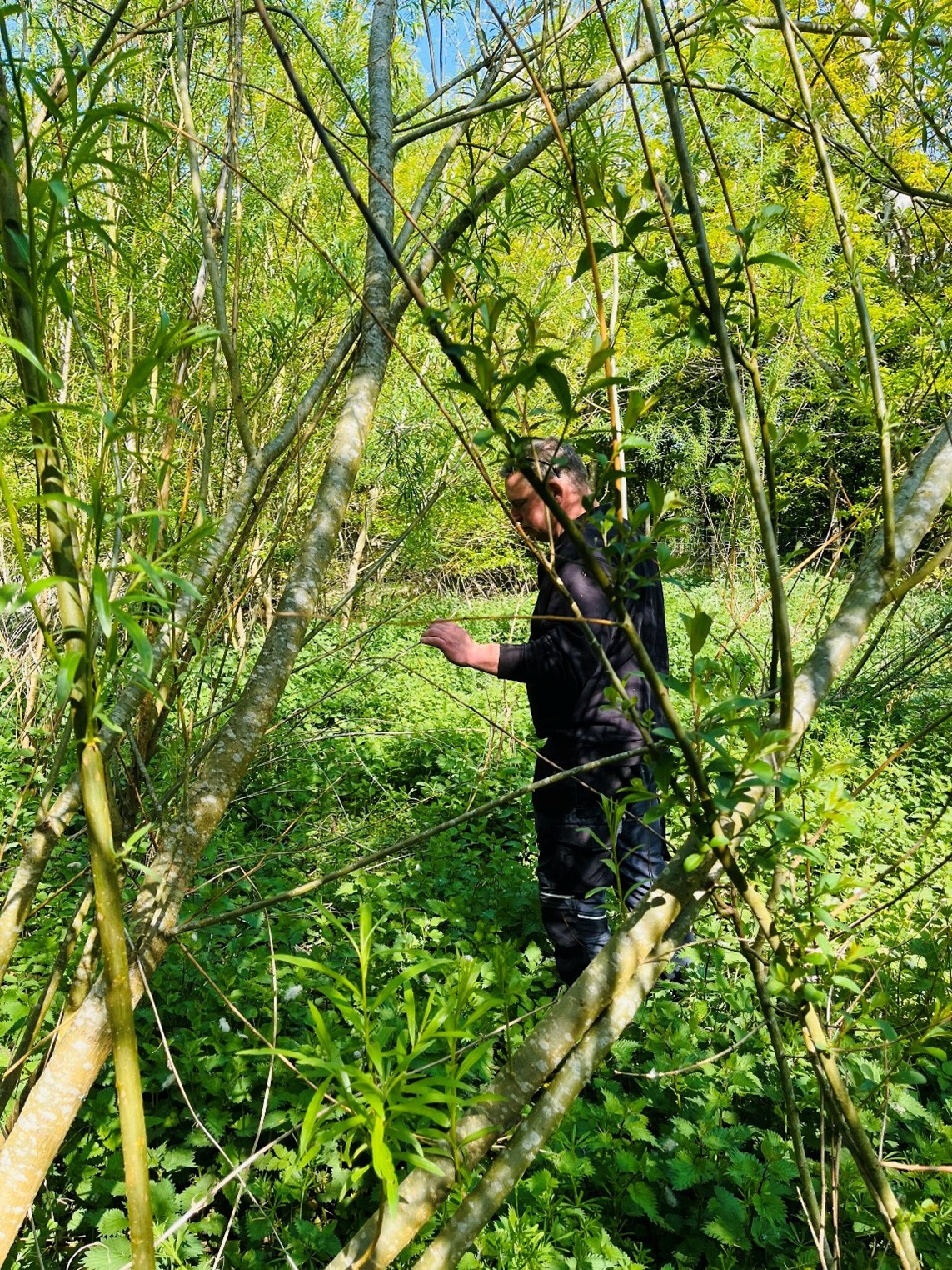
We are coming into our 7th year of research on this remarkable site that has, due to our activities changed significantly for the better.
The remarkable development of the willows, some are now well grown whilst others that have died back are regrowing from root stock.
A few pictures taken in April/May.

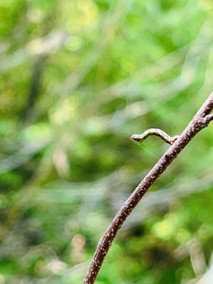
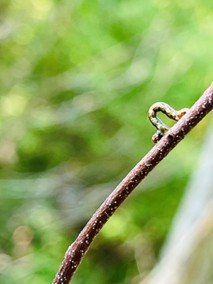
Feathered Thorn moth caterpillar (Colotois pennaria)
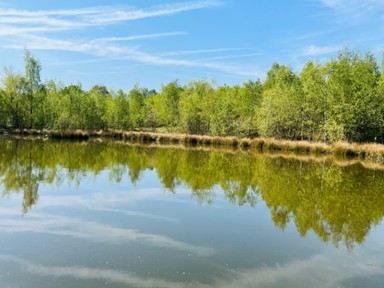
The Lake
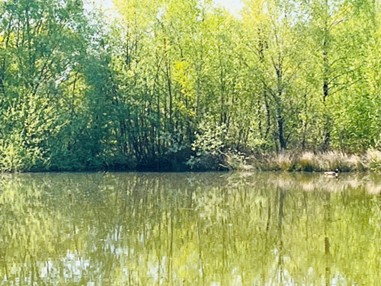
The first dragonflies were just appearing. On the far side is a Canada goose, one of a nesting pair. The first such geese to nest here.
Whitehaven Harbour.
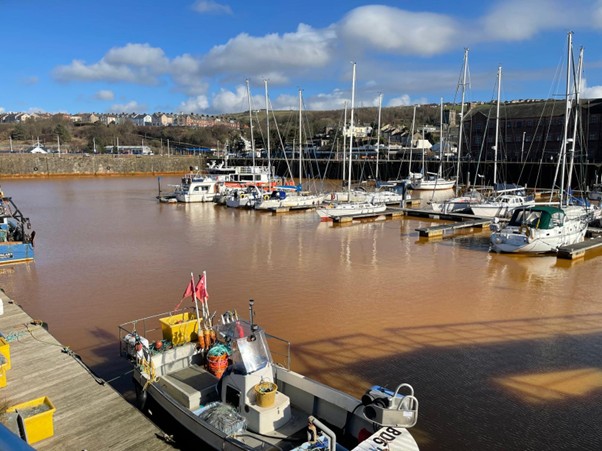
It is good to report some progress, DEFRA and other ministries are looking to aid the funding needed by the Mining Remediation Authority to put the polluted stream flowing into the harbour out to sea. They have supplied an estimate of £1million. They appear to be unhappy having to organise this as it is not their liability.
The obvious first thought was to do this two and a half years ago, but the Environment Agency and the Coal Authority at the time said it would not be permitted today.
A meeting of the Taskforce will be arranged by the MP when the funding has been raised. The railway tunnel will be closed at the end of August for a new track bed to be put in place along with the removal of the iron hydroxide and soft limestone track bed. This will only be a temporary fix as the removal of the polluted water from the harbour will need planning permission, risk assessments and public consultation. The track bedding to be used in the tunnel may be of limestone to partially treat the mine drainage till the drain is moved to the sea or it may be made of granite which will not treat the mine drainage coming into the tunnel but will not soften and last years longer.
Fuel Spill Digester.
The Trust has been examining the effects of Fuel Spill Digester for the company who markets the product in the UK and Europe. There have been issues with measuring the BOD when the material is mixed with hydrocarbons as the mix dulls the equipment found in several laboratories. When this occurs, a true reading is unobtainable. We have though done dissolved oxygen measurements that demonstrate the capabilities of the product and found that the effects of both diesel and petrol are when mixed with the product and then enter a watercourse. There is though much more to do. University of Nottingham is looking at another product from the same company
Briefings:
EFFRA Committee look at the Water Industry.
The Trust has written an overview of the background to the privatised water industry including the New River Company.
Water Quality Commission.
The Trust has supplied an overview of water issues for the enquiry in the water quality of rivers and inland waters.
Flood Control.
The Trust has given a short briefing to councillors from Newark and Sherwood District Council on flood control in their area and the need to look at the whole catchment rather than individual developments in the council area which has happened over recent years.
Lead Poisoning.
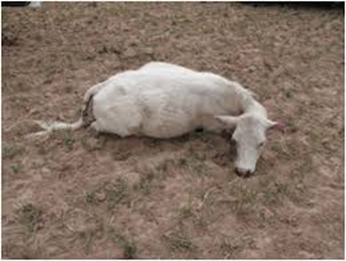
On 27th February Birdlife International published an article saying that lead poisoning would stop across Britain and Europe due to the ban on lead in ammunition. We were asked by the European Environment Agency for our view on the subject and a short and rather negative briefing ensued with regard to the whole issue regarding lead shot in comparison with the huge issue of lead mining spoil across Europe.
The abundance of lead contaminated waste around old mineral workings across many parts of England and Wales is causing a large number of animal mortalities. We are looking at lead take-up by willows and have linked this with the removal of high quantities of copper and other metals which may have economic value. The initial work on this started in the early 1990s with Camborne S of M. Met Stephen McGuinness at the House of Commons to discuss this area as his background in bacteria and metal gathering fit well with this project.
Many animal deaths on farms are attributed by the Food Standards Agency to cattle licking abandoned batteries. This may happen but the widespread nature of these mortalities and in the areas in which they occur raises alarm bells.
Farley Moor Holiday Village.
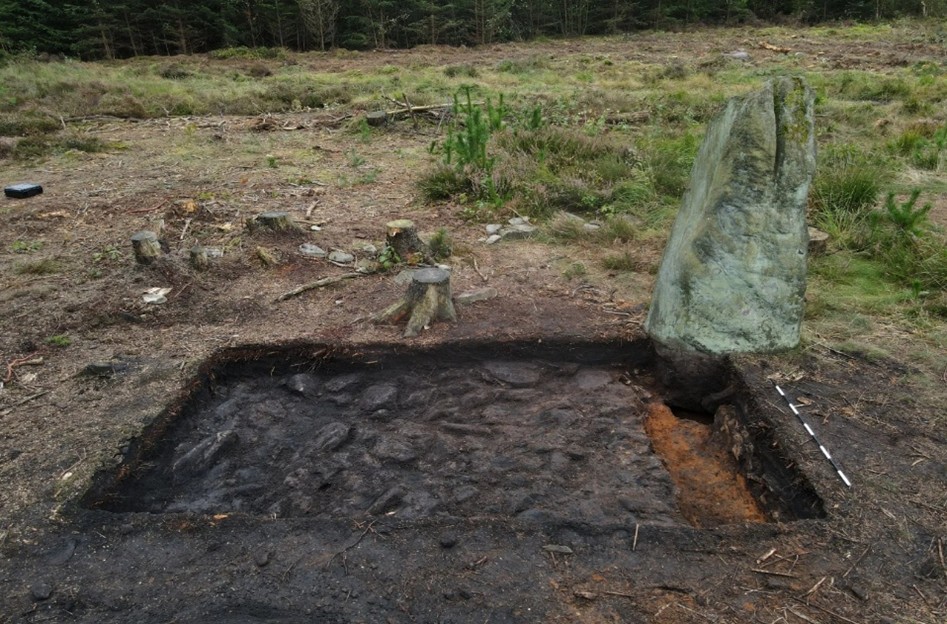
The holiday cabin village planned by the Forest Holidays, a private company, on Forestry Commission land above Matlock and the source of the water supply of the village of Farley has been held up in the planning process. It is though not our briefing to the councillors, but the discovery of a stone circle and other stone structures that were unrecognised until a local archaeologist who thought there was something of great interest on the site interested a television company to conduct a dig. The Forestry Commission had previously thought the stone was a concrete marker.
The planning permission has not been abandoned as both Forest Holidays and the Forestry Commission have made statements saying that the plan is still live.
A Charity Project Overview.
The Highlands & Islands Environment Foundation asked us to overview a project for them and to give them our views. It was an interesting proposal.
Heat Networks and Available Wastewater Heat.
Had a meeting in London with a group from the civil service regarding a lot of energy issues including minewater. Also under discussion was the way electricity was priced and how it is likely to be changed.
We covered issues of wastewater heat from abandoned mines and other sources such as from the London Underground who pump millions of cubic metres of water from their infrastructure every day to rivers. The potential value was emphasised regarding heat poverty area and similar issues.
Walsall Wood.
We have been contacted by community groups around the old Walsall Wood Colliery site and an active landfill site that is developing an overpowering smell. The site known as Highfields. We have over the years looked at waste issues in the Walsall Wood area. The government sold an old coal mine in the 1960s to be used as a toxic waste depository and then an open caste south of that pit was used when the mine shaft blocked. Further research is ongoing.
Hoole Bank.
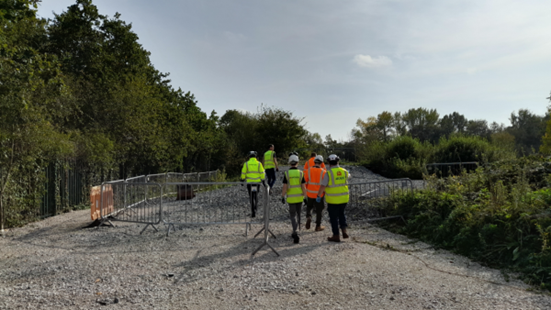
The consultants looking after the site for BP have said on their web site that they are still carrying out investigations. We received our promised invitation to officially visit the site in the week of 16th June.
Several residents have contacted us asking if we know what is going on as no one is letting people know.
Commonside Landfill Site.
All has gone quiet since February, but the local authority has a certain amount to do regarding both ownership and access of the site before we can walk it properly. There are other interested parties who are being not the most helpful sadly.
Severn Trent.
We have been in communication, but nothing has transpired as yet.
Kent Coalfield.
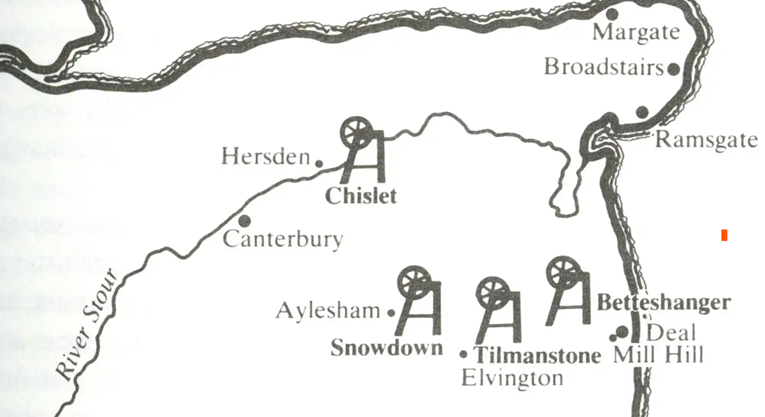
We did a lot of work in the Kent Coal Field thirty years ago looking at subsidence flooding along part of the River Stour and other issues including acid spoil leachate. We have been asked by community groups for advice about acidity issues around two sites at Snowdown and Betteshanger.
The Kent Coalfield is a quite different mining area to most. The landscape and the majority of the population tell you little of the mining history. The mining villages and old mine sites are hidden away from view. Though the coal mining ceased in the 1980s the media still talk of miners if someone has been arrested or something unpleasant has to be blamed on a group.
Shropshire Metal Mines.
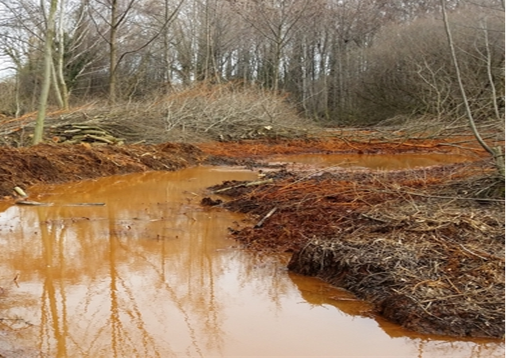
Old lead and fluorspar spoil heaps at Snailbeach.
Many old lead and other metalliferous mines are causing concern to farmers and local residents to the west and southwest of Shrewsbury. Several historic mines are discharging complex cocktails of metals. We are aware of several severely affected streams including the Bowbrook which passing through the centre of the city of Shrewsbury which has at times extremely high arsenic loadings. The EA are aware but no action from any responsible authority has been seen as yet.
Nurdels and Estuary Pollution. Humber and Wash.
Nurdels are small pieces of raw plastic used in the manufacture of plastic products, it is also now being used to describe most small pieces used in packaging or degraded material that has been washing up the Humber Estuary, around the Wash and along the north Norfolk coast. These materials coming from the Solong that collided with the Stena Immaculate off the Yorkshire coast.
We have been interviewed for radio stations regarding the Humber and the fishery nurseries that may have been impacted. The nurdel problem though a major consideration on the North Norfolk coast was not as alarming as the treat of a tanker load of aviation fuel being spilled along the coastline.
Ballindalloch Speyside Hydrogen.
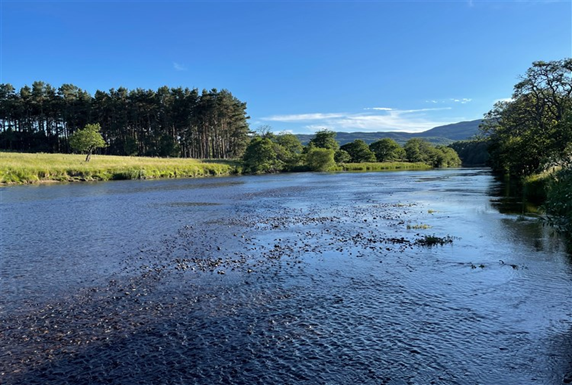
We were contacted by a community group from Ballindalloch on the River Spey about their concerns for a planning application just submitted to the Murray Council for a ‘Green Hydrogen’ manufacturing and distribution ‘hub.’ There are several concerns put forward regarding the plan, size and flaring gas near to the village, industrialisation of a rural community and the effects on the Spey and the several burns that flow in the area. The plan states it will initially abstract 500,000 M3 of water from the gravel aquifer beneath the site plus the owners of the business, Storegga, intend to create 3 ‘balancing ponds or reservoirs to collect rainfall run off from the site to possibly double water supply. Process water will be discharged after treatment to the stream that runs into the Spey a few hundred yards away.
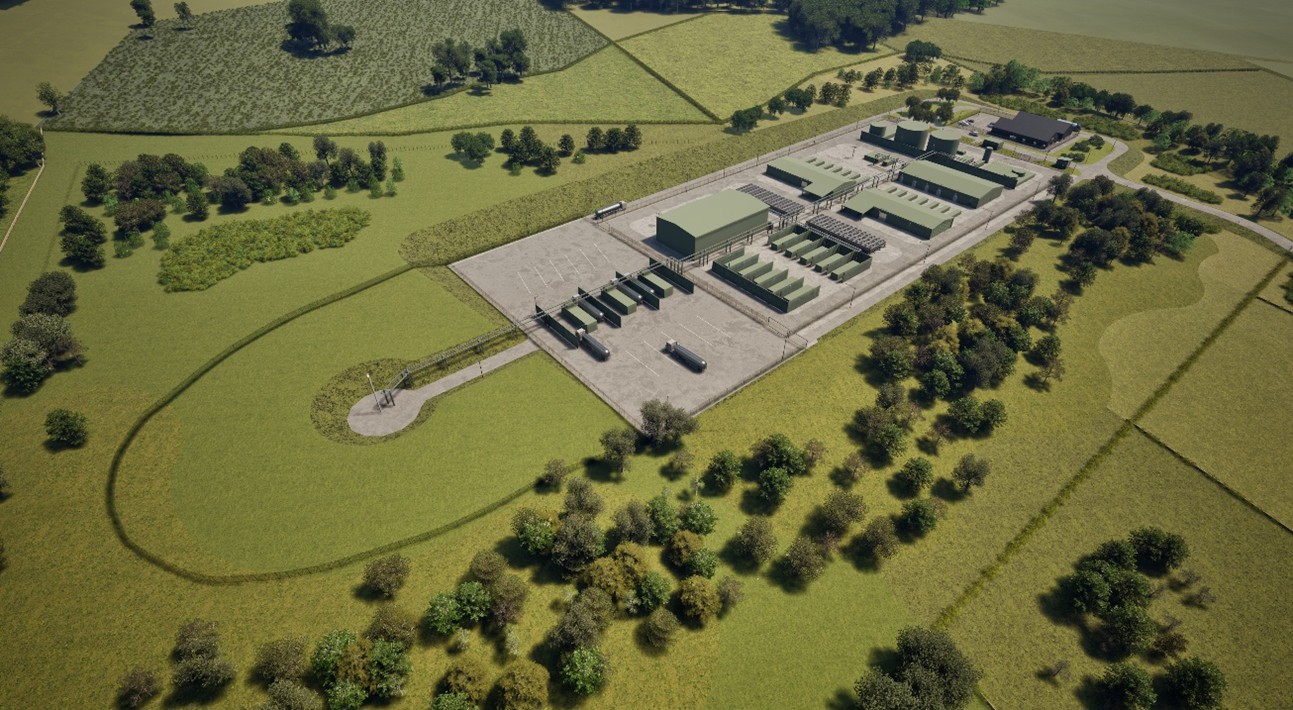
This Spey side plant is proposing to supply sustainable energy to the distilleries along the Spey. Their proposal is to supply businesses by tanker which have been euphemistically called delivery vehicles.
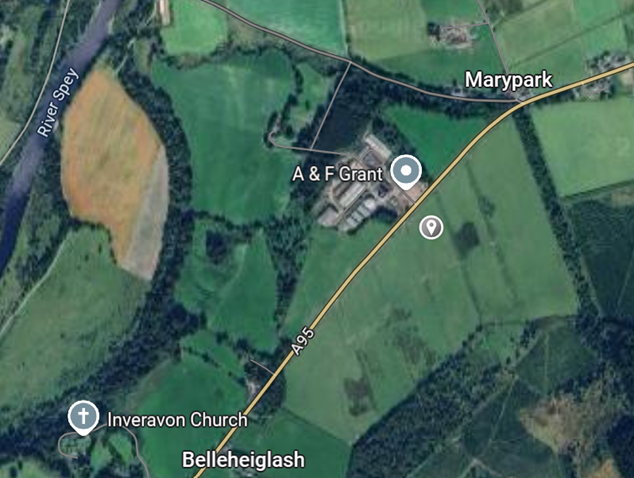
The location of the site is opposite a small transport company and is a green field site. The company putting forward the plan supplies a map of the area that appears not to be such an intrusion on the environment and treat to the river.
From 500,000 cubic meters of water, you could theoretically produce around 45 million kilograms (or 45,000 tonnes) of hydrogen through electrolysis, assuming a 100% efficiency and no water loss during the process. More realistic figures being 85% efficiency and 38,250,000 kilograms. The electricity supply is said to be available from a ‘green’ source.
We have raised the issues regarding water stress on protected species such as freshwater pearl mussels with Moray Planning Department. We have spoken with the Spey Catchment team Director who is unable to oppose the scheme due to their constitution but is personally opposed to the project.
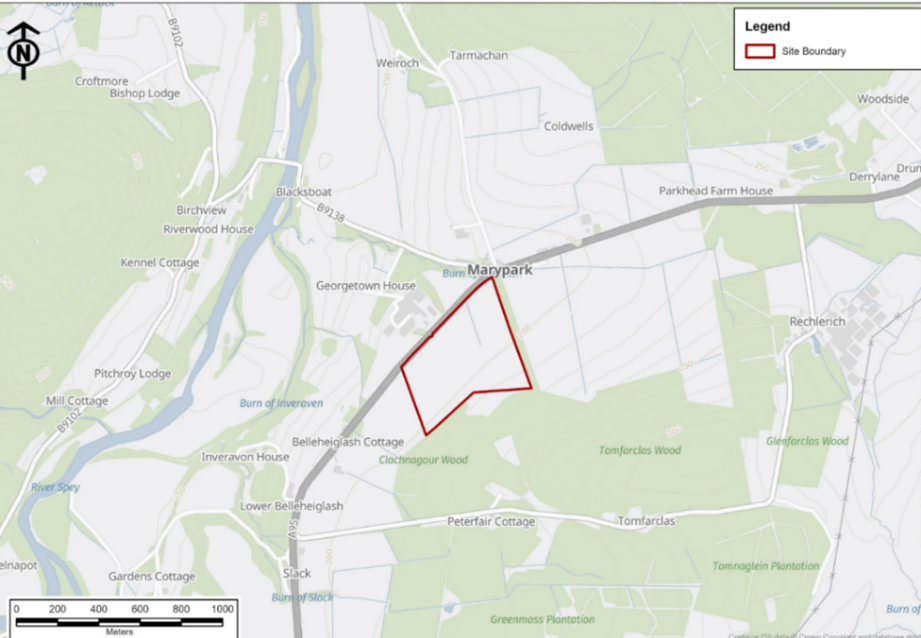
The Trust has done a lot of research on Speyside water concerns over the last 30+ years, and this is everything the river could do without at this time, over abstraction, warming the water and lack of stewardship.
Duke of Edinburgh Award.
Ommo v K-B has produced a number of policies for the Trust. They are attached to this as Appendix 1. His outline of activity with the Trust is Appendix 2. The comparative sampling of the River Lee over two summers/twelve months is Appendix 3.
CRT is grateful for the work undertaken by Onno over the last 12 months.
Radio Sussex.

We have again found ourselves talking on BBC local Radio on the report into discharges from sewers overwhelmed by rain and discharging to rivers as well as the sea. In the preparatory research on Southern Water, it was notable that 222 sites out of the 1478 monitoring sites were not being reported due to communications problems, so we were able to extrapolate that likely thousands of hours of discharge went unreported. I kept being told that the Chair of Southern Water had made a statement that in 5 years the standards would be higher. I hope that is not just the reporting but what is stated that more than half the discharges would be halved.
The Sussex area and the rest of the Southern Water area is seeing average bills rise from £420 to £670 in the next year to cover investment in sewage infrastructure. I pointed out that the billions put forward for investment were only loans by the investing companies and would need to be repaid with interest.
Country File.
The Trust has been helping Country File (BBC) with research into sewage, and landfill sites pollutions.
Whilst discussing pollution generally with their researchers they worked out that Cinderhill would be a good positive program addition for later this year.
Warren Slough, Colorado River, USA
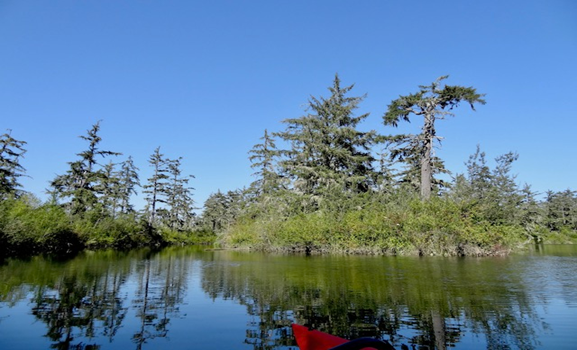
On 29th April we received the request below from Oregon Environment Quality Organisation.
The Oregon Department of Environmental Quality invites the Clean Rivers Trust to provide written comments on a proposed issuance of a water quality certification for Warren Slough, known officially as a Clean Water Act Section 401 water quality certification. Summary: Warren Slough proposes to impact wetlands and waters to restore and enhance tidal wetland ecosystems functions and fish access for threatened and endangered salmon. The project site is located in the Columbia River and Multnomah Channel near Knappa.
An interesting request that resulted in research that proved fascinating. Our response was straightforward and in agreement with what was being put forward by the authorities. the flora and wet woodland is unlike anything in the UK and has similarities with the coasts of Latvia, and Finland.
External Events.
Moving.
The Trust will move closer to Nottingham and be located in Linton, Derbyshire. There will be more room for the library and space for research projects. Full brief will be given at the next Trustees meeting in June.
Jury Duty.
Between 12th and 23rd of May I have been on Jury Duty, so I have unfortunately been a little idle with regard to Trust business for much of that time.
Director’s Replacement.
RG thinks he may have found a suitable candidate to replace HW in due time. HW will meet with the person who at present lives in Glasgow.