Cinderhill
The Tar Pits
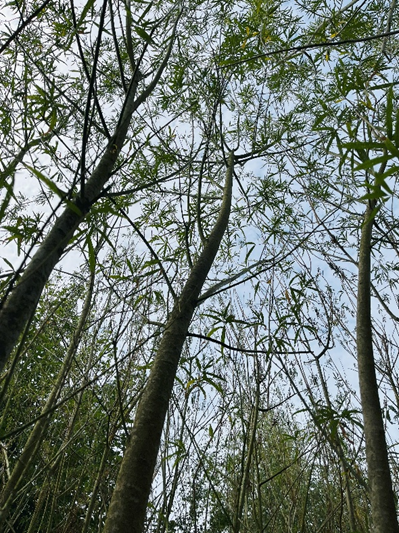
The long dry spring slowed growth of the trees but the short spells of rain in June/July have allowed the majority of the trees to stay in leaf. A lot of young growth from the roots have been noticed. The rains in July have ensured that the site is looking as good as ever.
The Acidic Lake
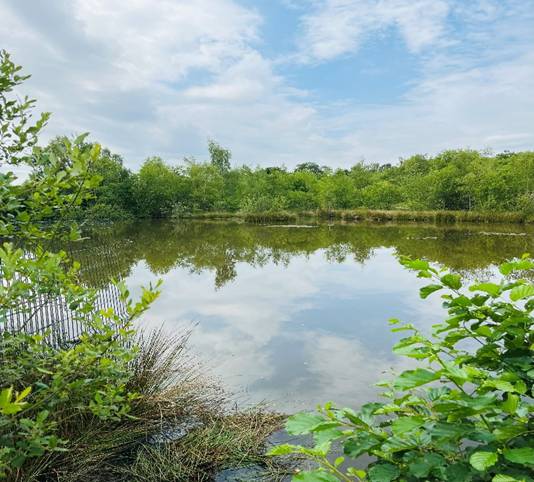
Grebe, both Great Crested and Little along with Mallard duck and Canada and other geese have brought off young successfully on the lake this year. It is the first time this has been recorded in the 50 years since the lake was created. 5 different dragonfly species have been noted as well as damselfly.
Visitors.
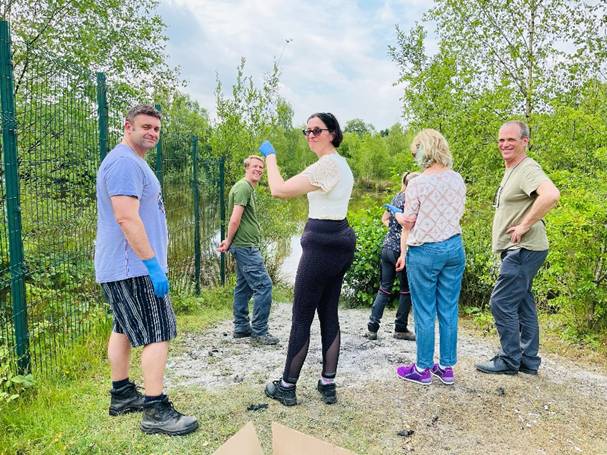
We have had several sets of visitors over the summer, and all were amazed at what they saw.
University of Nottingham have revisited to sample for further bacteria.
Biodiversity.
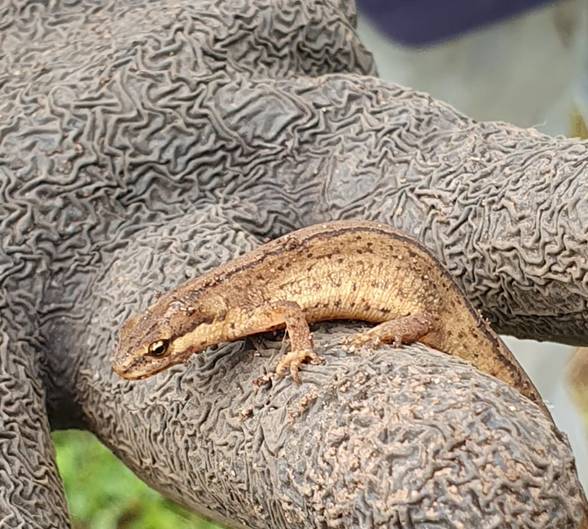
Some monitoring has been possible with the results demonstrating both the tar pit and acidic lake have increased diversity year on year.
Hoole Bank Tar Pit.
An interesting visit with University of Nottingham to the site with BP and their consultants where now you are able to walk on pontoons set on the water covering much of the tar pit and allowing sampling of the water/bacteria and tars below the structure. There are no set plans as yet for the site’s remediation and we are pleased to be able to offer support.
Bacteria and Fungi
The Cinderhill sourced bacteria and micro fungi have continued to show huge promise as a possible solution to plastic/micro-plastic. They have also, now shown a new use. The have been found to destroy FPAS (forever chemical). This is a major breakthrough. The University of Nottingham is researching the resultant residue left from the breakdown of these chemicals.
Whitehaven Harbour Minewater Pollution
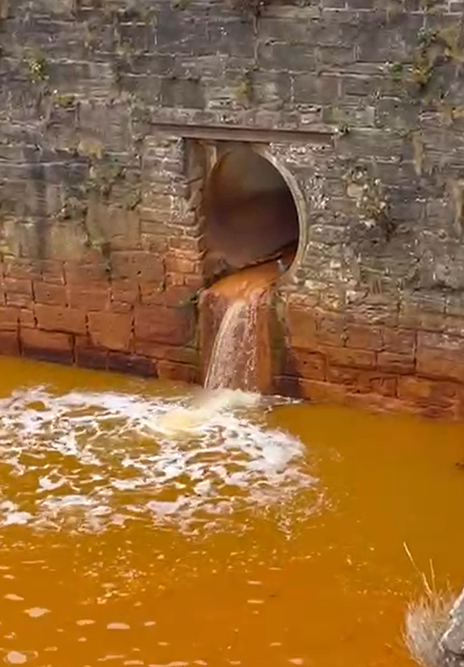
The Trust has continued to encourage the responsible parties
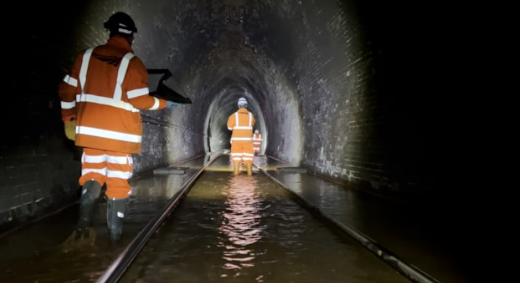
Network Rail have had plans for relaying the track and its bed through the Whitehaven Tunnel. This work will have some effect on the discharge makeup, especially if limestone is used again as it will absorb the water, reduce acidity and the iron will drop out as ferric hydroxide.
The local MP is pressurising the Mining Remediation Authority to finish the design of a pipe to take the discharge out to sea.
This plan though has been put back from September due to engineering problems with the floor of the tunnel which may be subsiding into coal workings below. The tunnel has been closed due to initiative-taking research into tunnel sounds study conducted by a retired railway engineer who has been collaborating with us on the project.
Network Rail have brought in Silt Busters of Monmouth, who we know well, to treat the mine drainage in tanks in a compound by the side of the railway line. They have followed our guidance to the letter.
See:
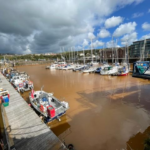
The treatment is working well with the feed water into the Queen’s Dock losing its iron loading and the marina company and Harbour Commission flushing the harbour via its sea lock the water is now noticeably cleaner though the iron hydroxide sediment is visible on the harbour floor..
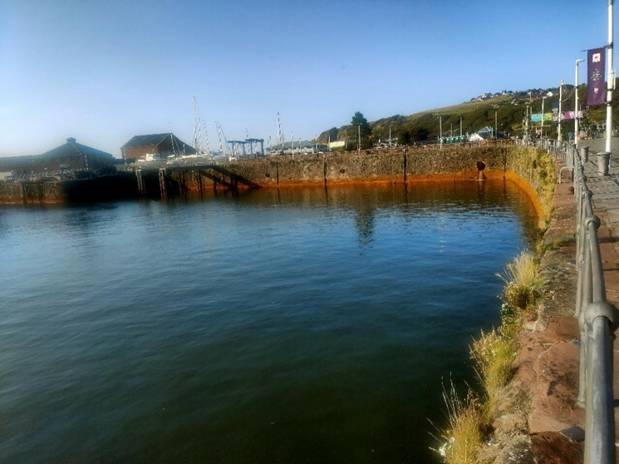
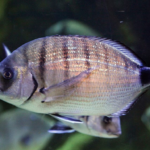
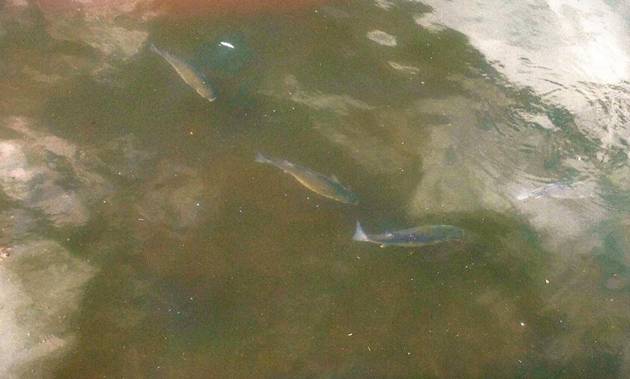
Fish including Grey mullet are now coming back into the harbour to clean in fresh water and mussels are reappearing on boat hulls.
Commonside Waste Tip
The local authority’s consultants are continuing their data search as well as meeting local groups and individuals. We continue our research into treatment methods with various specialist PCB neutralising companies.
We are looking forward to reviewing data when available.
Fuel Spill Digester
We have continued our work on this material and are continuing to look at the effects it may have on the water environment. We are also answering questions set by the Highways Agency. Analysis of Biological oxygen demand has finally been conducted.
We are hoping to carry out a survey of sites where this product has been used over the recent past to see if any adverse effects have been noted on local watercourses.
Ballindalloch and the River Spey
The local authority has been surprised by the strength of feeling against the planned hydrogen production facility.
Planning department staff have had meetings with us and as, yet no decisions have been made though the Scottish Government are supportive of the new hydrogen plant.
Shropshire Mines
We have had meetings with community groups and the County Council. We briefed them on methods and possible aid from the Mining Remediation Authority and alternative ways of funding any methods for remedial work.
Galamsay, the Curse of Ghana.
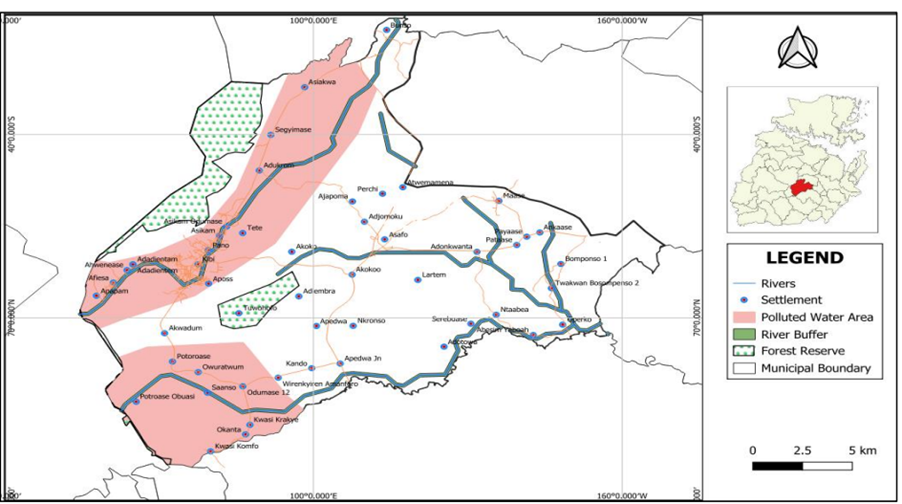
Initial target areas.
The Trust has been contacted by I-Neema of Ghana, a respected engineering and groundworks Ghanian company based in Accra. Their request being for help in tackling minewater pollution from illegal mining or Galamsay. This is the major challenge of the country that is destroying the nation’s forests, agricultural land and poisoning the water supply: it is also causing civil strife. The country recently expelled more than 4000 Chinese involved in the illegal mining of gold. Illegal mining does allow many poor people to find money, but exploitation is rife.
We have had several meetings with the companies MD and others regarding methodologies and how to treat the problems of polluted water and land. This project is huge as the problem is a national one and the climate variations require different methodologies.
Walsall Wood Spreading Pollution
The Walsall Wood waste disposal of liquid wastes down the mineshaft in the 1960s/70s has now been found to have been copied in France at the present time. Stocamine an abandoned potash mine that closed in the 1990s and received permission to repurpose itself as a toxic waste storage facility at Wittelsheim, Alsace. The mine is flooding at lower levels as well suffering from heave and collapse of roadways. The mine no longer takes waste and is about to be filled with grout to attempt to seal the waste in permanently. The site underlies a major aquifer that supplies both Germany and France with significant volumes of potable supplies. At Walsall Wood and surrounding area concerns for the present nearby landfill site continue. The local authority are now considering putting down a series of boreholes to sample anygroundwater for leachate contamination or ascertain if leachate has migrated through the faults thought originally to isolate the Walsall Wood Colliery workings.
The Move
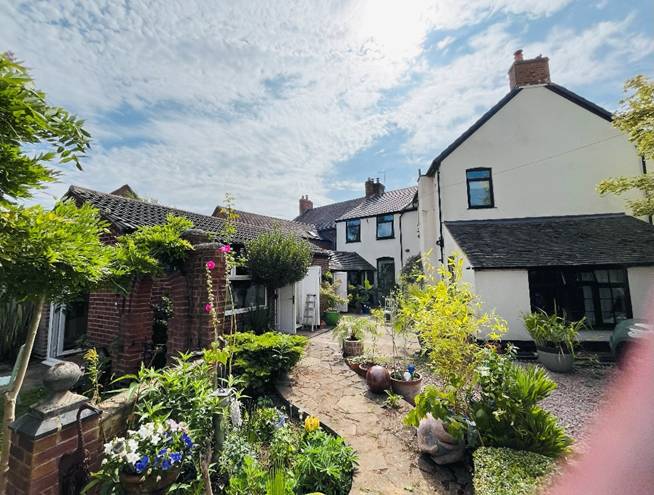
The final part of the move from Edgbaston to Linton, Derbyshire was somewhat stressful, but the extra space has already demonstrated its value as well as being much more user friendly with parking and extra space for meetings.
The extra space outside is already allowing more research to get underway into floating plants and nitrate removal. A greenhouse will allow more research into willow and other native tree take up of acidic materials and heavy metals.
Newark and Sherwood DC Flood Issues
The concerns of residents of the Trent side villages continues to grow. The continuing expansion of development of residential property on the flood plain around Newark, especially close to the River Devon are fuelling concerns. The Trust talked to several groups over the summer explaining that the flood issue is a whole catchment issue and not one for the middle of the river.
We have been asked to talk to a group of County Councillors later in September.
Kent Coalfield
We have visited all the colliery sites and have had meeting with community groups to discuss their varied concerns, from subsidence and flooding to acidic run off from spoil deposits. These being the liability of the MRA. The lack of rain this summer may well display increasing acidic run off once the rains do come.
Ceramics.
The Trust has continued to work with Imperial College on the use of fired clay to treat/collect pollution from air and water. These ideas may be developed further with University of Nottingham in China and linked to the Chinese Sponge Cities program.
The Trust will have the use of a kiln shortly at Linton.
Lead Mining Pollution
Work on this issues continues with the identification of specific sites in England that are the most prone to animal fatalities. Also looking at elevated levels of lead going to human consumption via potable water supply in parts of Somerset.
We have in the last two weeks had reports of some sheep suffering from lead poisoning on Exmoor, around some Roman copper and iron mines spoil deposits nearby.
Web Site
The Trust has lost its helper who has looked after the website over the last five years. Sadly, this loss has caused a delay in new pieces being put up online. Hopefully, this may be resolved soon.