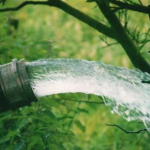

The Spey River has 51 licensed abstractions. All but two provide either drinking water or process water within the river corridor. The two that remove water out of the river catchment are the largest and cause problems that are getting worse year on year. Changes in rainfall patterns, global warming, and poor regulation regarding abstraction.
The river is amongst the best quality waters in Europe, it is a renowned salmon and sea trout fishery. It is one of the major bases of the Scotch Whiskey industry. The river’s waters are famous the world over but suffers serious issues regarding oxygen levels within its flow due to lack of well oxygenated waters in its headwaters. This initial lack of oxygen can be exacerbated by weather events such a rapid vasilations in barometric pressure. These events allow the river water to shed oxygen allowing for a sag, These sags can have serious effects on aquatic life further down the river. A recent sag in oxygen saw the death of a large number of salmon and sea trout.
The Spey Fishery Board have launched a campaign: ‘Release the Spey’ which aims to cut the unsustainable abstractions from the two sites in the upper reaches of the river. The fact that the most damaging abstraction is protected by a Second World War local act of Parliament.
The Scottish Environmental Protection Authority (SEPA) 2003 Catchment Management Plan prioritised changes to the abstractions as important to the welfare of the river and its aquatic life. The need for at least greater volumes of compensation water at times of low rainfall and the development of infrastructure to allow this to happen on some of the Spey’s tributaries. In the 2023 Catchment Management Plan it is reported that discussions had taken place and are ongoing. 20 years of apparent inactivity with a date of 2027 put forward for when the abstractions would have at least been ameliorated. There is no mention of how or by whom.

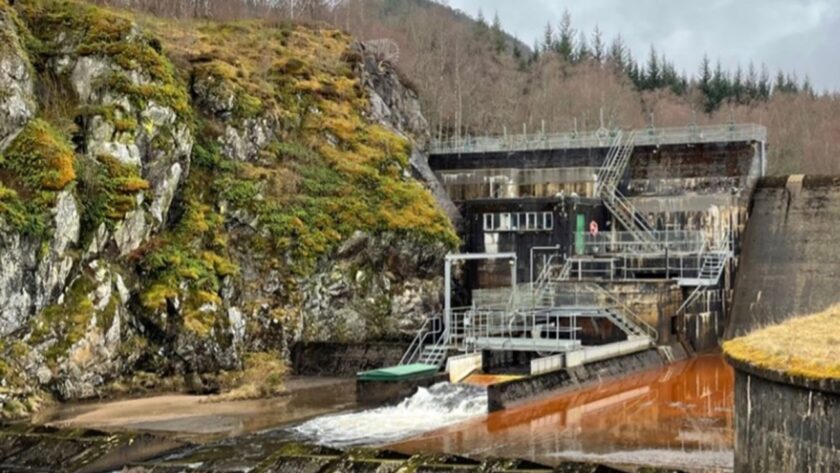
The largest abstraction is from the Spey Dam, also noted as an impediment to fish movement along the river. The dam supplies water towards the running of a major hydroelectric scheme a way out of catchment just outside Fort William at the base of Loche Linney. This large hydro plant supplies the power for the only aluminium smelter in the UK. The owners of the smelter have published ambitious plans to increase production and a new aluminium recycling plant, all needing greater supplies of power and also see the hydro supply as an increase in process water. There are other suggestions to increase power generation for supply to the electricity market. Such a development would have to increase abstraction into dryer periods though doubtless SEPA would be unlikely to licence such increased abstraction.
November 2023