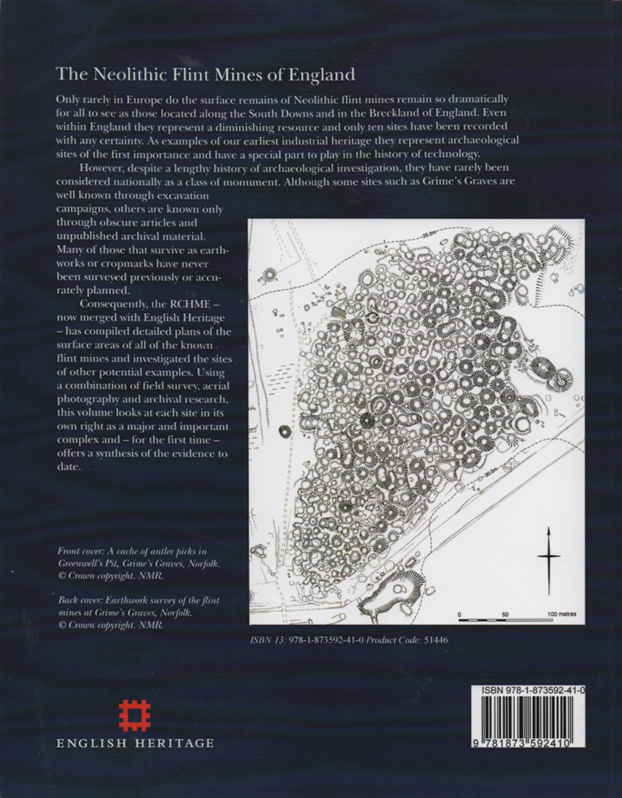
The Neolithic Flint Mines of England. Barber M, Field D and Topping P, English Heritage 1999.
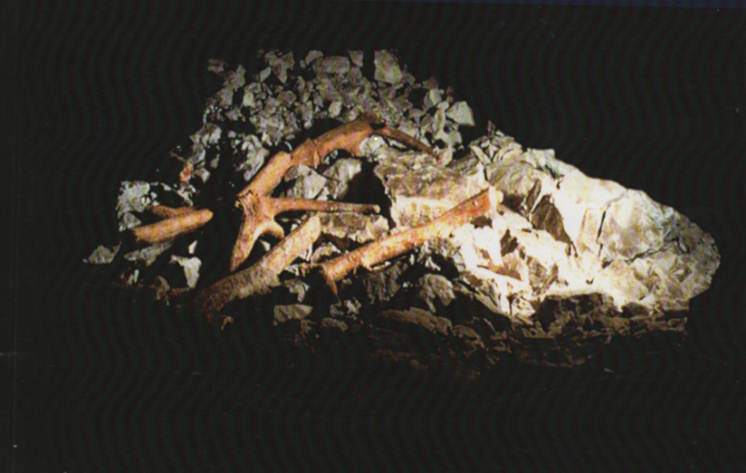
Mining has been a vital aspect of human life and economy from the earliest of times. This volume is a useful guide to the locations across England, the remarkable
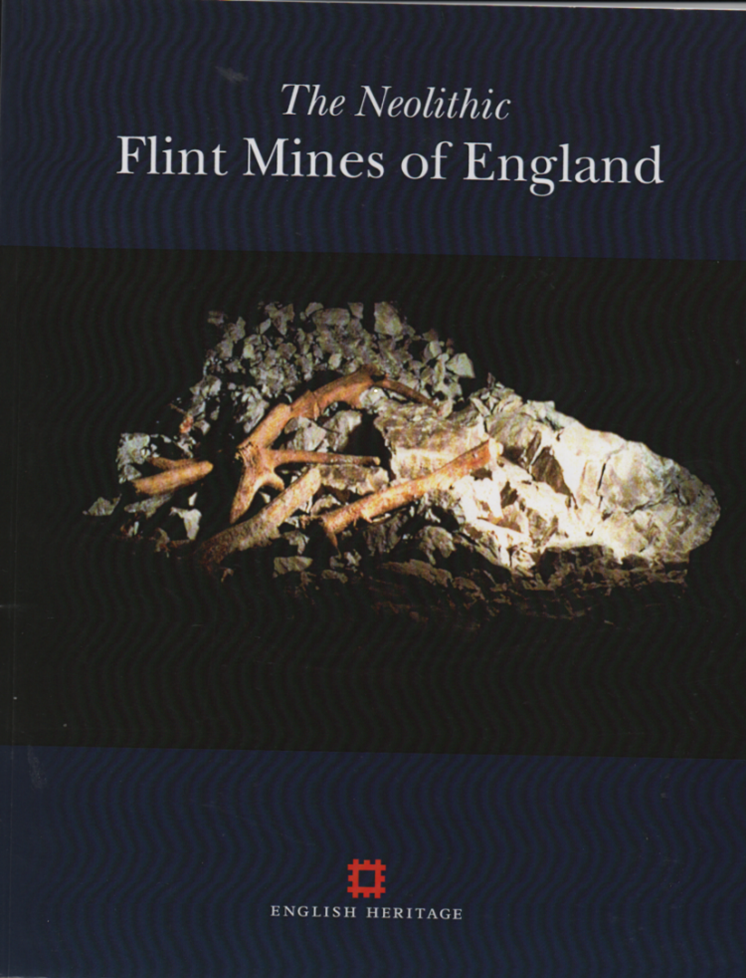
The need to understand the act of mining at such a time puts the whole aspect of injury to the natural environment into perspective. Mining at Grimes Graves in Norfolk exemplifies the fact that mining from the earliest times changed the natural ecology of the area about the mines permanently, and drastically. The area around these bell pits has a unique flora and ecology today due to human actions 3.5 thousand years ago.
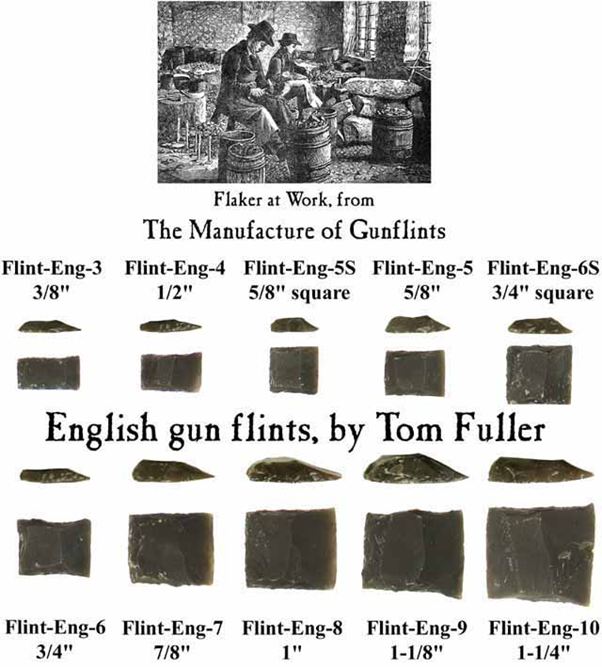
The book does not go into the great longevity of the process of working or ‘knapping’ flints which continued through to the 20th century at the nearby town of Brandon. Flint was worked to fit the flint lock guns of the seventeenth though to the 19th Centuries (some are still produced for battle re-enactment groups). The use of flint facings cut across the stone from the early Middle Ages for church and other walls along the borders of Norfolk and Suffolk. The fairings of the late 19th and early 20th Centuries of knapped flint hearts that were made up of two parts: the two could be held as one.
The book outlines a huge amount of detail on sites in Sussex as well as Norfolk. There are, very likely other areas across England that were mined but have been lost or as yet overlooked