Introduction
After ten years being based in Birmingham the Trust hac moved to Linton in Derbyshire. Only just into Derbyshire with Leicestershire, Warwickshire, Staffordshire all less than two miles distant. Linton remains rural and sited in the heart of the National Forest though in recent times a number of housing developments have been built. The town of Swadlincote is close by and the nearest railway station is only 5 miles distant at Burton on Trent. Remarkably from this station you can get directly to Aberdean, Cardiff or Penzance without a change of trains as well as direct trains to nearer cities of Nottingham and Birmingham.
The Trust has conducted work around the edges of the area over the years, several projects for the breweries of Burton in the 1990s including Bass, Allied Lyons, and Marstons; we have also conducted research for Marmite in 1997. We worked on projects related to mining and the water environment with RJB Mining at Asfordby in Leicestershire between1996 and 1998. Between 2013 and 2015 we carried out research with North Warwickshire Borough Council looking at alternative sources of energy.
The Benefits of the Move.
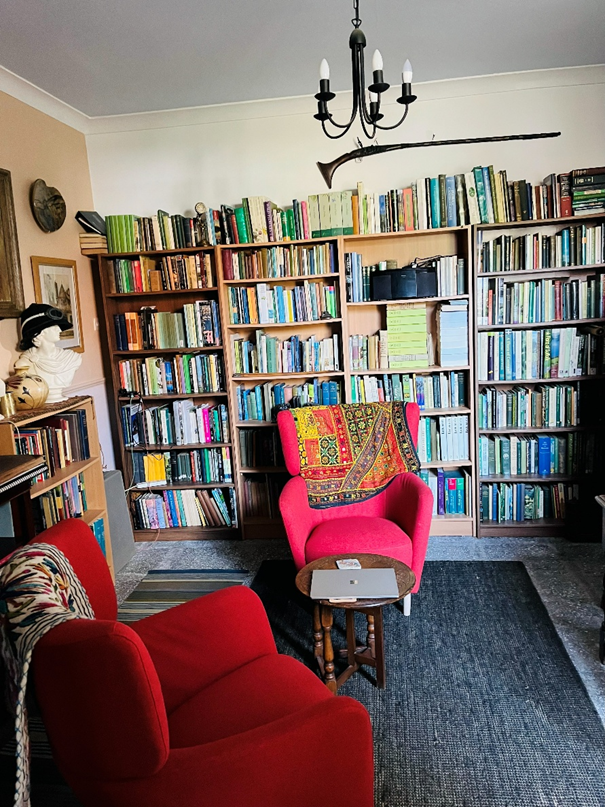
The Trust has a library that can now be accessed more easily, more space for meetings and more room for visitors. We have space for research, greenhouse and wetland trial areas, ceramic workspace and bucket chemistry. We can incorporate the arts with science. This increase in facilities and space mirrors the increase in projects we are undertaking across the country.
Range of Research.
Wetland and bacteria are one set of cornerstones for our research over the last 30 plus years, the use of willow and other carr systems are now an integrated part of this work. The use of floating native plants is a new departure and one that is already demonstrating promise though the methods by which such flora holds and nurtures bacteria is not immediately apparent.
The use of ceramic and other materials to collect and allow contaminants to be readily removed or harvested for recycling is showing some promise as are simple inflow aeration methods.
Our work on acid tar remediation along with non-intrusive methods for remediation of acid water bodies such as polluted lakes or industrial lagoons.
In the world of water and river pollution charities we are amongst the very few who look to find solutions that are both cost effective and sustainable. Over the near 35 years of our existence our ideas and solutions have led the way though too often what we now see are our ideas being promulgated as new. We introduced much of the work with many pollutions from minewater and sewage to decontamination of contaminated land using naturally present bacteria. We introduced minewater as a heat resource to the UK in 1996. In 1999 we supplied a minewater feed to a power station in West Cumbria. We had previously identified a minewater supply in the Forest of Dean that allowed a factory to produce a household name soft drink instead of closing.
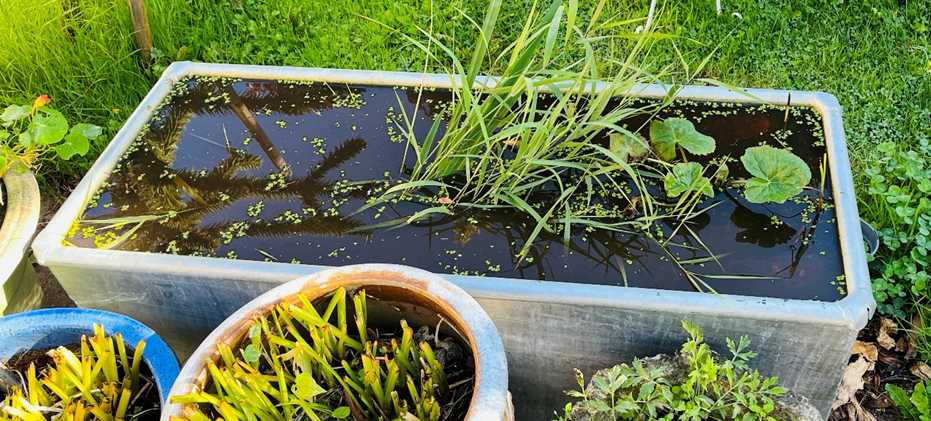
The new location will allow the Trust to develop it’s ideas faster and demonstrate new and novel schemes.