A visit to this briskly tourist dominated town was rewarding as for the last 5000 years it has dealt with water: drainage, drinking and agricultural supply issues quite successfully; in many ways the modern city is less well served than it was over the centuries before.
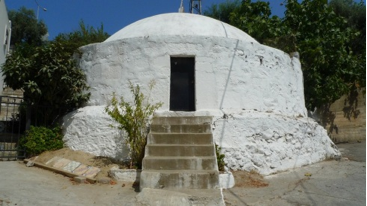
These four photographs are of different cisterns that are a common sight around the town and the outlying countryside. They were built during the Ottoman rule in the 18th and 19th centuries using waste stone that abounded from the ruins of the ancient ruins Halicarnassus. Their purpose is to store as much of the winter rains (about 300mm) as possible for use during the dry months of summer.
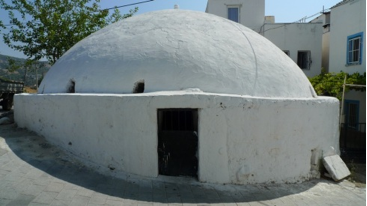
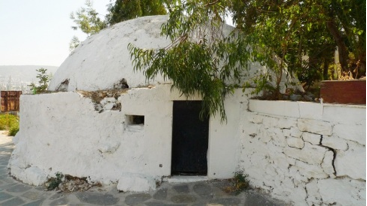
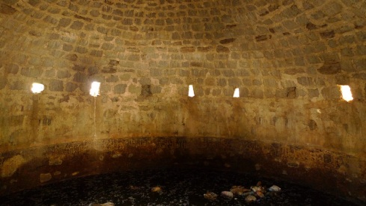
These four photographs are of different cisterns that are a common sight around the town and the outlying countryside. They were built during the Ottoman rule in the 18th and 19th centuries using waste stone that abounded from the ruins of the ancient ruins Halicarnassus. Their purpose is to store as much of the winter rains (about 300mm) as possible for use during the dry months of summer.
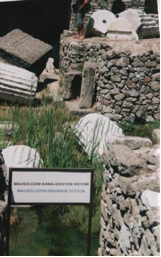
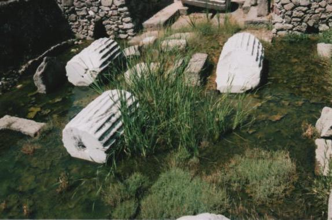
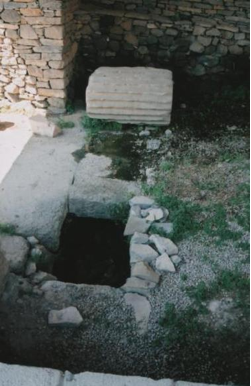
These drains show water passes though the site even in a heat wave. The flora is of interest in that they demonstrate the typical wetland plant community of the area, including Papyrus and Juncus. The flowing water’s pH was 5.8, slightly acidic and had elevated metals content. The standing or pooled water’s pH was 7.1 and the metals content was notably reduced.
Wish you were here!