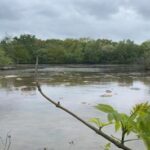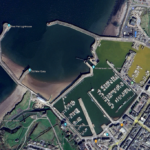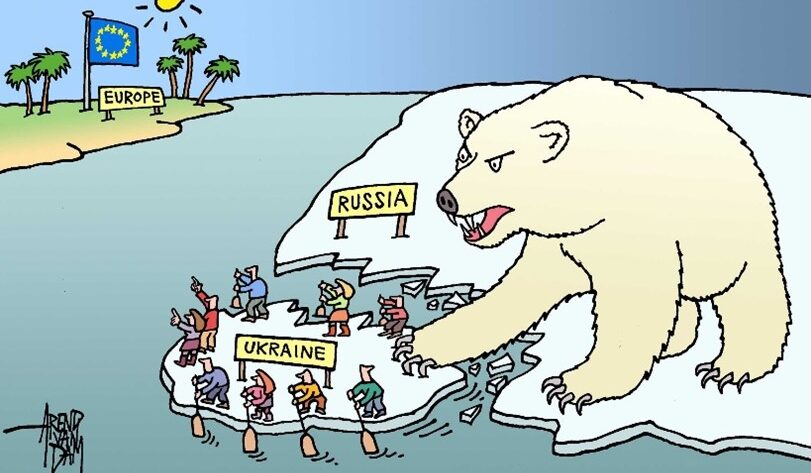

European Water Highway E40 is a navigable route from the Baltic to the Black Sea. A European Union designated route that exists in reality for small vessels and was being dredged in the southern parts in Ukraine as the Russian invasion of that nation began. The dredging was causing some controversy as the route through the region of Chernobyl was feared to be releasing radioactive fallout from the reactor fire that devastated the area.
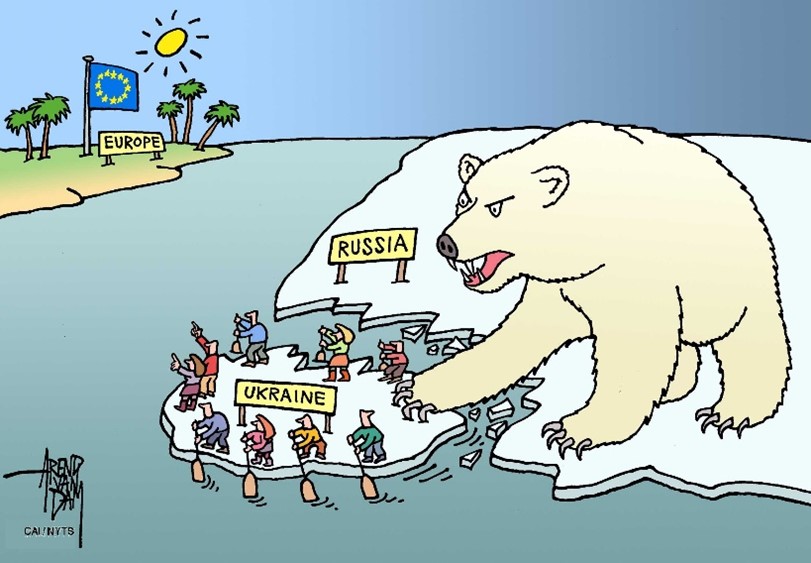
Little is known generally about European water routes in Europe, and it is remarkable that such infrastructure spread out beyond the boundaries of the EU. The invasion of the country by the Russian military has been explained in that Russia has lost most of its sphere of influence which had spent most of the eighteenth and nineteenth centuries developing and in the 20th century had consolidated after the Second World War. This consolidated sphere had also functioned as a buffer between the capitalist Europe and the Soviet system of communism. This buffer though disintegrated suddenly when the Berlin Wall fell and the whole western ring of communist states politically imploded giving rise to new governments who looked towards the west, turning their backs on the Russian state.
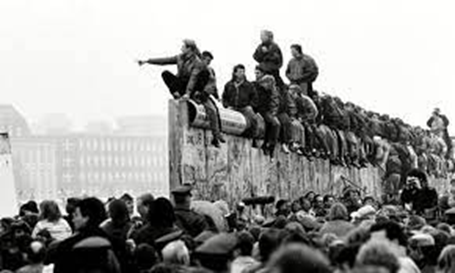
No state and certainly one the size of Russia can stand the humiliation of losing such a proportion of its empire at the same time those past satellite nations turning their back on all things Slavic. The European Union acted as a magnet that was willing to offer opportunities to many nations, huge monetary grants to modernise infrastructure, improve environmental conditions for these nations. It offered membership of the club once democracy had been established.
orce north by the advance of the Golden Hord/Ottoman Janissary armies and their allies in the 14th century. the move north had created the state of Muscovy and Moscow as its capital; won out of conflict with Lithuania. From that point the Russian State set out to regain its perceived homeland and by the early 1850s they had regained part of the Crimea and the port fortress of Sebastopol. Britain aided the Ottoman Sultan’s forces as did the French to kerb further Russian southward expansion through the Caucasus for over ten years until the Russo Turkish war of 1871.
The 1990s saw the recreation of the ancient country of Ukraine with EU fiscal support and its economic influence on Kyiv alongside the stated Ukrainian desire for NATO membership upset Russian susceptibilities. The E40 physical union across EU and non-EU boundaries did more. The effect on the temperament of the Russian leadership, historically suspicious, took the E40 as a step amongst others too far.
A declaration of hostility is always a step too far in a world where there are issues far larger than territorial loss or gain but self determination of nations is sacrosanct. The Russian invasion has though released a wave of bombs and artillery barrages, tanks and armoured personnel carriers, rocket launchers and all else that is making up this hell. The international community takes financial sanction actions against the aggressor and those with no idea of war rattle sabres, wanting to join in. No mention is made of the damage being done to the global atmosphere. A global climate crime is yet to be an agreed but as genocide was a new term and international offence in 1945, such international legislation needs to be considered on the agenda in 2022.