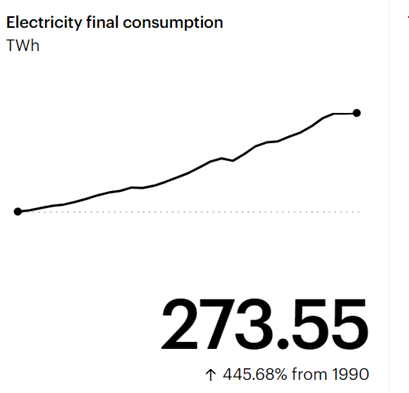
As in the UK the price of energy in Turkey rapidly. These costs are to European minds far less than is at present being paid across much of the continent due to exchange rates. In reality though the costs of electricity and gas is growing at a horrendous rate in proportion to wages and pensions of most of the Turkish population.
A good salary is in the region of £430 per month 7500 Turkish Lira (TL) in communications and technology, teachers are paid £277 or 5000TL and a good hospitality sectors salary is £116 or 3000TL. Pensioners see couples existing on little more than a hospitality worker.
Power costs in this year (2022) are forecast by government to rise by 130% and at present average energy prices are 990TL or £55 per month. This needs to be added to the rental/housing costs rising along side food and cloths up by up to 30%. Many in the Turkish population are struggling to make ends meet.
Government in Turkey is reining in the profiteering companies and individuals once identified. The costs of energy though are reflecting the global price hikes of the international marketplace. Turkey’s energy production is state owned and as such is investing heavily to supply the population with electricity, a commodity that the country is needing increasingly due to other international issues, particularly global warming. The growth in the use of air conditioning as summer temperatures soar into the 50oCs for protracted periods of the year over large parts of the nation.
International media such as Al Monitor is reporting that Turkey is not looking to divest its use of coal in its power mix of its energy portfolio. This though is politically unconscionable at this time.
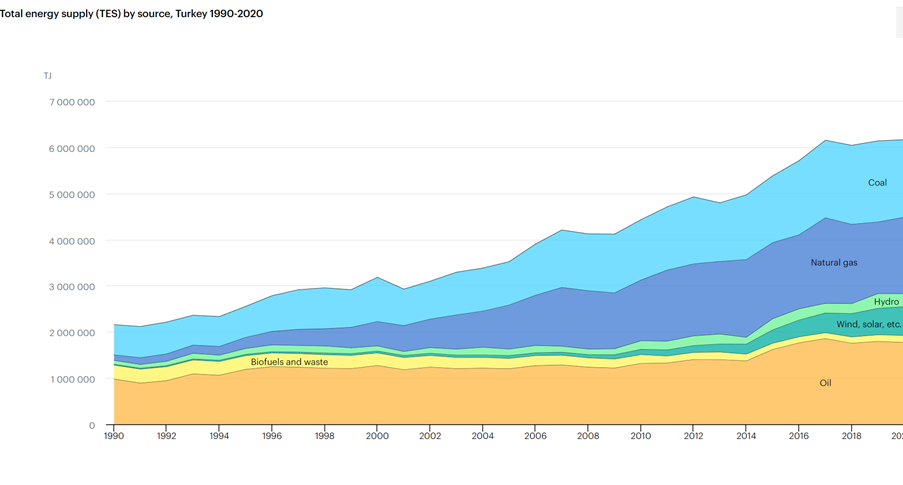
The graph above demonstrates the steady increase of generation. Coal, and gas, produce more than threequarters of the country’s electricity. Turkey is increasing non fossil fuel energy production and aims to produce 20% of the country’s electricity by 2025. Hydroelectric supply is developing, mainly utilizing the Tigris Euphrates along with hydroelectric lakes specifically built for the purpose throughout the Taurus Mountains. These are being augmented over the next years by developing potential generation in some of the larger lakes across the Central Taurus. Oil is to a small degree used for energy generation but is mainly used for transportation across the country. Turkey is the fourth largest generator of geothermal energy but due to the age of some infrastructure the efficiency is reducing.
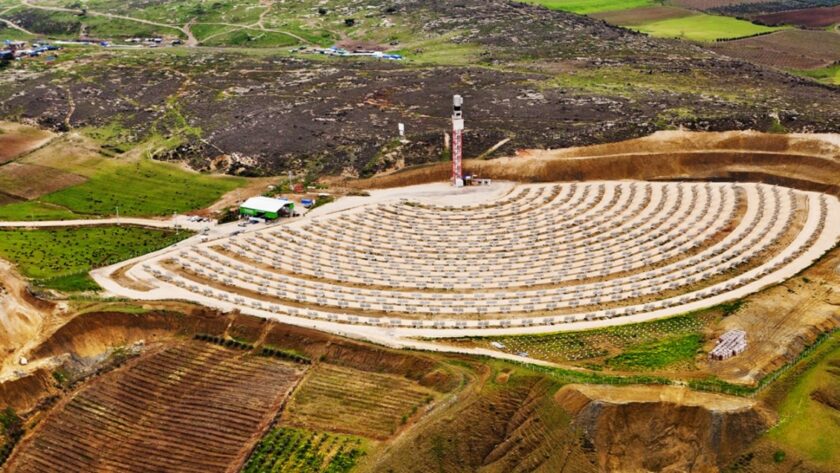
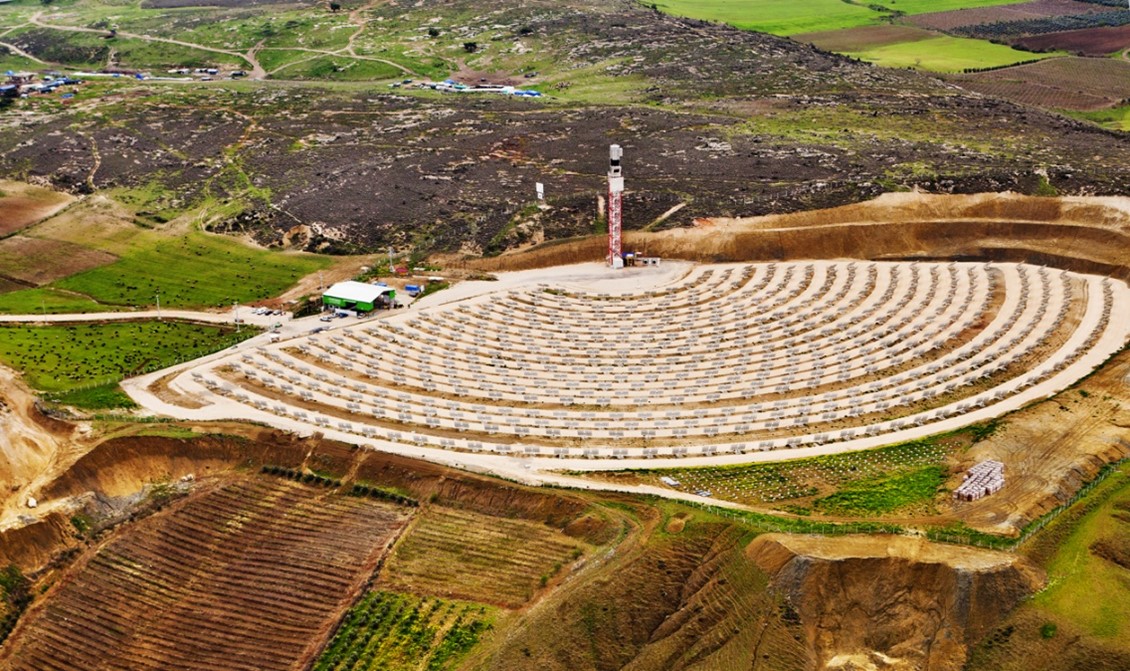
Solar energy is developing, there are several modest photovoltaic arrays and one power tower installation at Mersin.
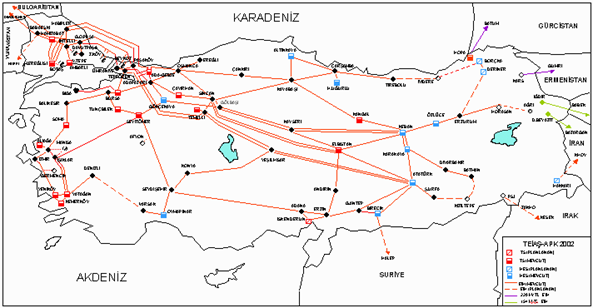
The costs of green methodologies of power generation are being developed. There is expansion of the national grid system, though in the south and east of the country is short of connectors and vulnerable to break down at times of major earthquake or another event. There are moves to develop local sustainable networks that can be fed from local initiatives. The development of private generation from homes roof tops is at present allowed but has to be sold to the national supplier prior to use which takes away the benefit of ‘do it yourself’ generation.
Turkey, especially the southern, west, and eastern areas are subject to enormous amounts of uninterrupted sunshine and elevated temperatures that could be used sustainably to allow many blocks of flats to run air conditioning cost ‘free of charge’ for the well being of the residents of the cities, cutting costs to many of the nation’s most vulnerable at least.
Looking at the rooftop areas available for urban generation is large even when the solar water heating units are considered. Antalya City centre has approximately 1152 KM of roof tops available for energy generation that could be utilised. The city could supply its energy need from its roof tops without damaging the aesthetics of the city’s tourist centre.
Antalya is chosen as an example as it is styled as Turkey’s sustainable centre.