BBC
In 1950 there were an estimated 1,000,000 kilometres (621371 miles) of hedgerows across England, by the mid 1990 that number had fallen to 446,00 kilometres (277,131 miles. This period, particularly through the second half of the 60s and first half of the 1970s saw much of the country’s landscape changed more radically that at any time in recorded history. Not just hedgerows disappeared swiftly due to the government engaging farmers to produce more cereals and sugar beet but over 30 million elm trees died off from Dutch Elm Disease at around the same time.
(https://api.parliament.uk/historic-hansard/lords/1975/aug/05/destruction-of-hedgerows}.
The 1975 reference to Hansard has the suggestion by Lord Carrington that trees may be planted as copses in less valuable parts of farms to keep trees within a rural landscape, useful for both shooting and hunting.
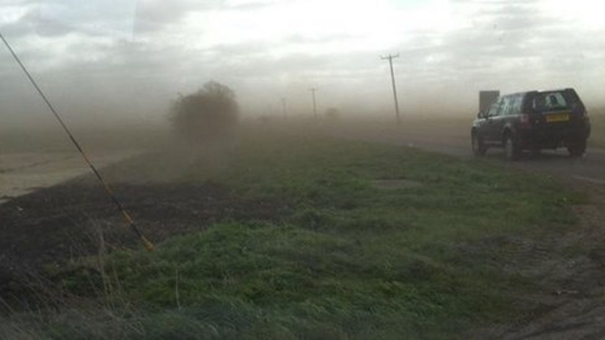
The remarkable effect of this clearance of hedgerows was the wind sailing across the surface of the West Norfolk landscape picking up clouds of the light soils and taking them billowing off the land and settling onto the roads and grass verges all of which was transported by the rains delivering the runoff to streams and rivers of the region. The government of the day said hedges did not influence land erosion but living there demonstrated.
This state of affairs still continues, and now the desire of DEFRA and others to see the area once again grow more trees, it might be time to consider returning hedgerows to the East Anglian landscape as a singular project to benefit the waterways of the area and at the same time keeping soil on the land.