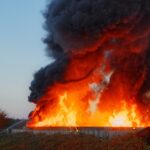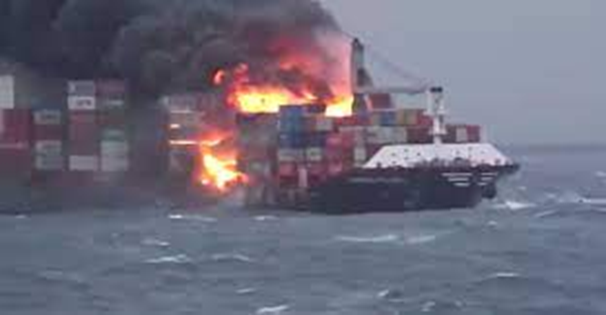
This disaster has been drawn to our attention in part by the media, but primarily by an individual’s concern for his native country. It is an horrific event on the high seas, hundreds of containers aboard a transport catching fire, one will never know what caused the initial conflagration as that will be lost in the final wreckage that sinks below the waters and is unlikely to float ashore.
The devastation to the local environment of a stretch of coastline, the destruction of fishing and related livelihoods has been remarkable and painful for the island nation. Fish, sea birds, turtles and other creatures have been killed at sea and many others die on the beaches. The government has appealed for international assistance, but little has arrived. This is likely due to COVID, and financial aid is little use in the long term and paltry in offers anyway. The fiscal assistance will not help the long-term redevelopment of fisheries and attendant prospects of the fisherfolk of the region. Only time will heal the problems that have befallen the coastal area.
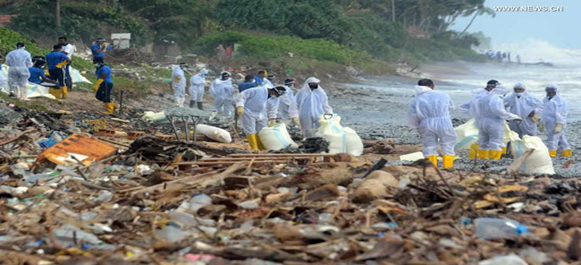
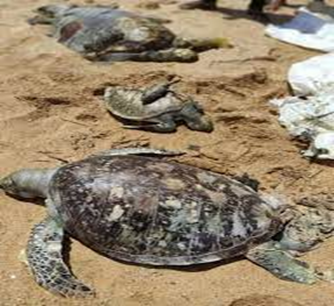
The toxicity of the fire’s fallout and wreck has been demonstrated by the numbers of turtles and other sea life washing ashore dead or dying.
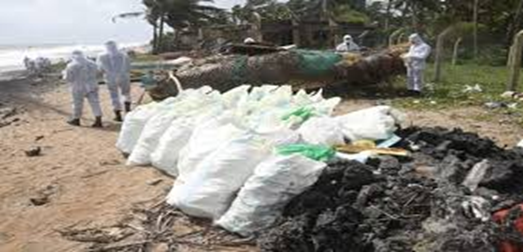
The army and other have been mobilised to remove much of what is washed ashore. The waste is placed in bags and taken to landfill to be buried. This, in its own right, if not properly disposed of will lead to problems for ground water. If the sites where the waste is interred leak, the leachates will enter the surrounding geology. This will leave the long-term legacy even harder to eradicate.
The short-term problems of toxicity to fish and sea life will last only a short time, the experiences from oil spills from the Torrey Canyon and Exon Valdese demonstrate that. Residual contamination of waste washing ashore may extend this but the fact that ocean currents dissipate as well as dilute the contamination remarkably quickly will be helpful to those being stopped from fishing at the present time. Some of the flotsam from the wreck will eventually be caste up on beaches as far away as South Africa and Australia.
The Larger Picture.
The problem of fires on commercial ships, especially container carriers is that they are prone to fires. Lloyds of London experience regular claims on shipping losses or cargo damaged by fire. They themselves see the problem escalating. There is no real control as to what goes into containers, household goods, armaments, and toxic chemicals. The sheer variety of cargo and the many possible combinations of material make future X-Press Pearl events more and more likely. Containers are shipped with a manifest of lading, and these are seldom checked at ports of embarkation.
HMRC see many containers opened on arrival into the UK and an astonishing number do not carry the contents precisely to their manifests, cargoes to many other ports are even more prone to abuse due to lax checks at unloading docks around the world.
This is an area where the insurance industry needs to invest greater scrutiny and require greater knowledge of actual cargoes rather than just raise insurance rates and premiums. There needs to be a greater transparency across this whole sector.