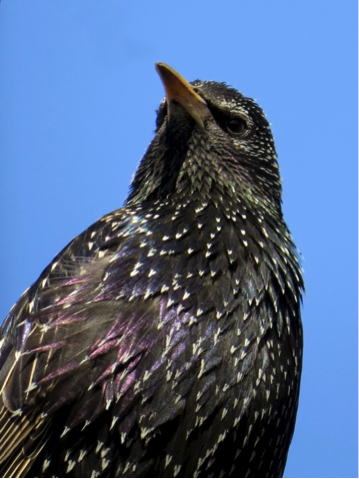
The RSPB have recently brought to the fore reportage that these remarkable birds are being threatened by Prozac content of bioaccumulating worms living close to the outfalls of sewage treatment works. This is a useful demonstration in nature of the effects of medications coming through the wastewater treatment systems and impacting on the natural environment.
CRT have been looking to the European Environment Agency to give leadership to jump start bringing attention to this area for many years as have the UK regulators, the Environment Agency and Scottish Environmental Protection Agency. Over the last twenty years these organisations have done much to highlight the linked issues of oestrogens and their mimics; the concerns of sex change in fish, the fear of food chain consequences and decline in river corridor fauna. The starling has now been highlighted as one such instance.
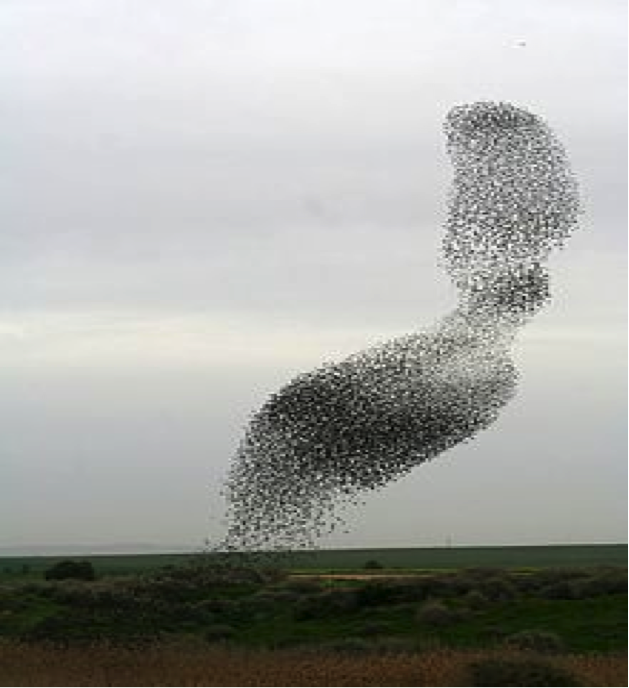
This state of affairs is harder to demonstrate in winter as many tens of thousands of starlings overwinter in the British Isles, escaping the harsher winters of Scandinavia and the Baltic regions. The site of these birds congregating in their thousands at dusk and flying in huge clouds, mesmerisms, rippling and swirling are still visible in many UK towns and cities where the birds spend the nights in vast noisy roosts after spending the daylight hours feeding in the countryside.
The RSPB findings are the first notable extension of the issues of pharmaceuticals entering rivers for some while and sadly the response of the Government has been that of ‘interest’ and a note that the regulators are monitoring the situation as there are no financially easy route to take with this issue. The waste water treatment site operators are aware of the methods needed which though are expensive to install and operate; the funding, both capital expenditure and the operational costs have to be found from some source.
The future is certainly not rosy for the fauna that feed on the banks of the river.