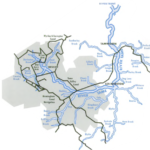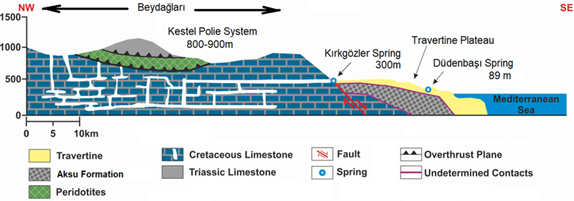
The limestones underlying the Antalya region are an important supply zone for water supplies for the region alongside a series of lakes and reservoirs that have further been developed to generate hydroelectric energy.
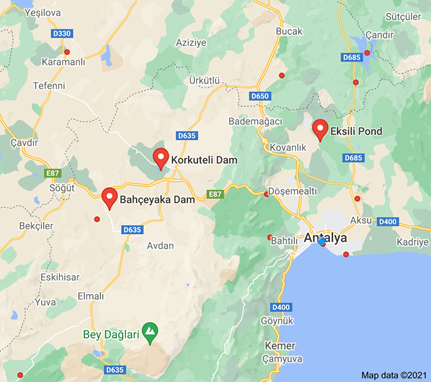
Drainage of record rainfall this winter after a long period, years of draught and the prospect is not so hot for biodiversity. The rains falling across much of the Mediterranean lands of Turkey this December are thankfully topping up the surface storage reservoirs, but the majority of what is dropping from the sky in such abundance is not benefiting the aquifers, water is flooding off the parched lands and swelling the streams and rivers, sending it off to the sea. The underground karstic geology is responding well in holding back much and is finding room for more ass there are signs of rapid breakdown of new water passages and sumps. The value of which over time will be decided alongside the issues of new ground stability issues that arise asd such developments take place.
The properties of the limestone are remarkable in their demonstrated stability in the Antalya region, but with other additions from poor quality industrial and agricultural waste drainage, some of which has been stored over the years of years of draught and appearing to be highly acidic the effects on the limestone base rock is as yet unknown but may be considered an issue of concern.
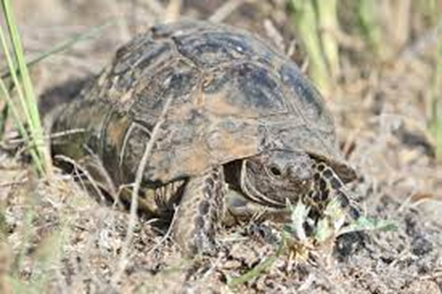
The remarkably diverse nature of the region’s aquatic fauna, especially reptiles including a number of different species of tortoise have suffered significantly from the draught, wild fires and now the varying quality of the waters flooding into the river systems and washing through with the rains. The resultant effects will not be understood for some time.