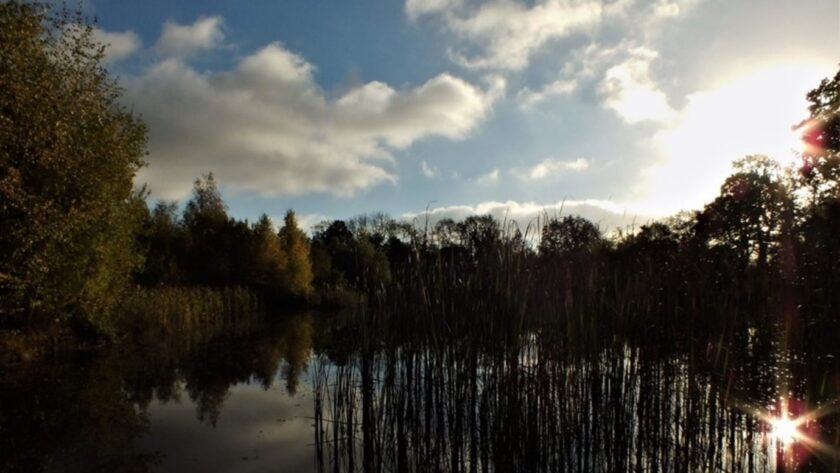
Apart from acid tar pits at Cinderhill in Derbyshire there is a large lagoon (approximately 2 hectares)
that is both ground and surface water fed lake. It was formed when clay was dug from the area in the 1960s. The clay was the last mineral to be removed from this part of the site which had been overlain by one coal measure and further coals underlay the sandstone that is directly below the clay. A large and ecologically important exposed sandstone scarp leads down to the western edge of the lagoon.

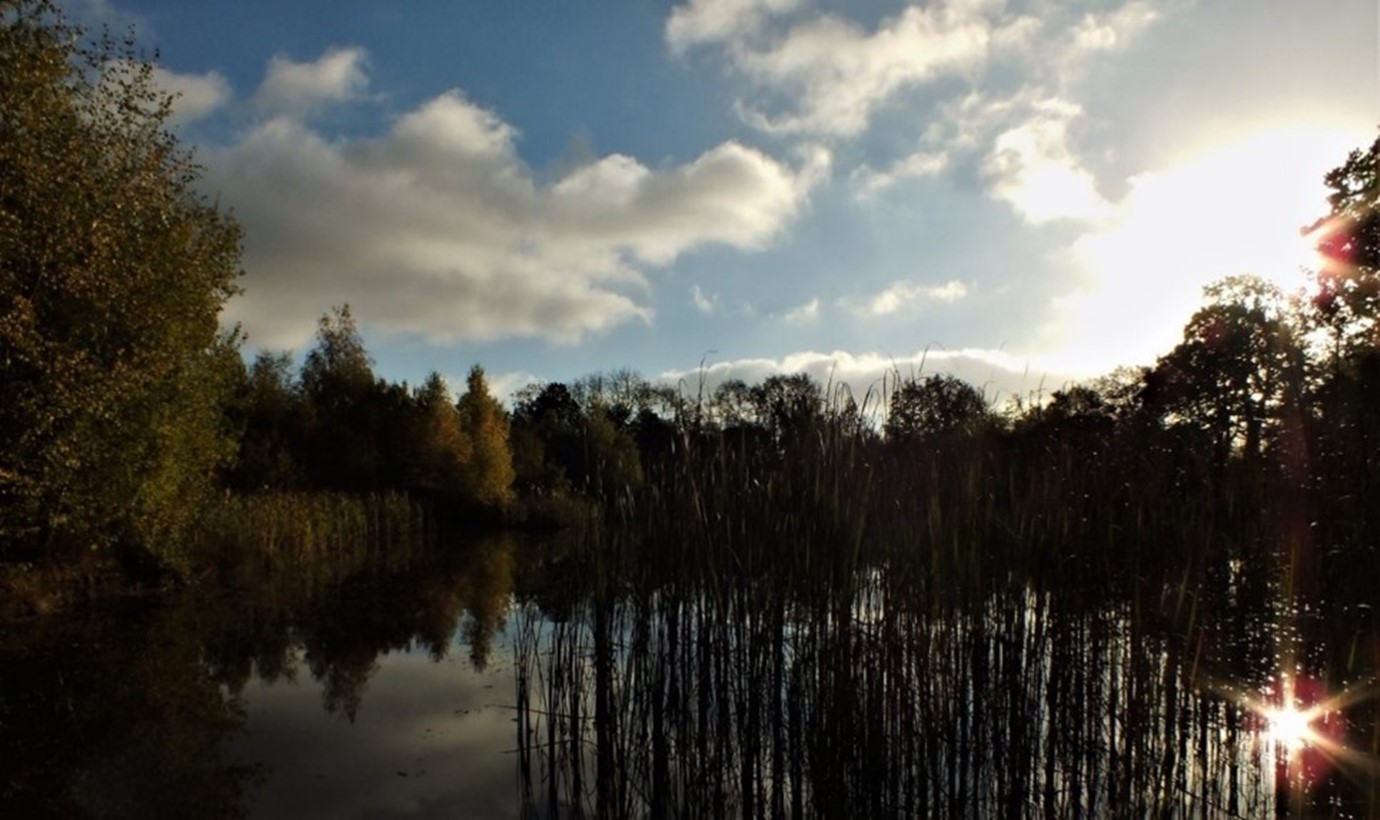
The lake has an average depth of 1.5 to 2 metres but has some deeper points that are over 4 metres in depth. The lake at times of high rainfall discharges its overflow into a larger lake that borders its southern bank at a lower level. In times of drought, such as during the summer of 2018 little water level can be observed.
The water quality of the lagoon is poor, it is acidic with a present pH of around 4 to 4.5. Prior to the Trust’s involvement in the site, it was pH3. The reason for this acidity was brought about by acid tar being deposited in other clay pits close by. Whilst these deposits were being placed into the neighbouring voids acid tat overflowed into the lake. This state was exacerbated by works on site cutting two channels to let the tar freely enter the lagoon.


Since 2018 the Trust has carried out a number of projects related to the lake and its poor water quality. Sona scans of the water depth and lagoon floor, wrecked vehicles and ecological studies have been carried out.
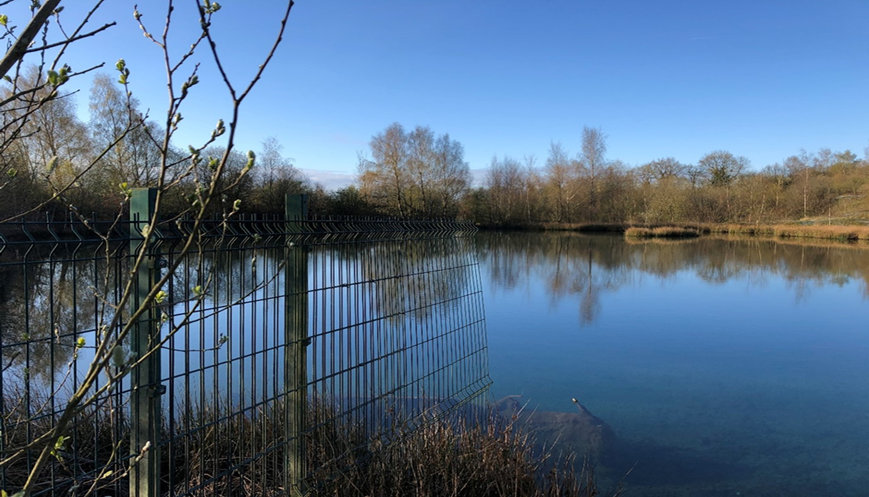
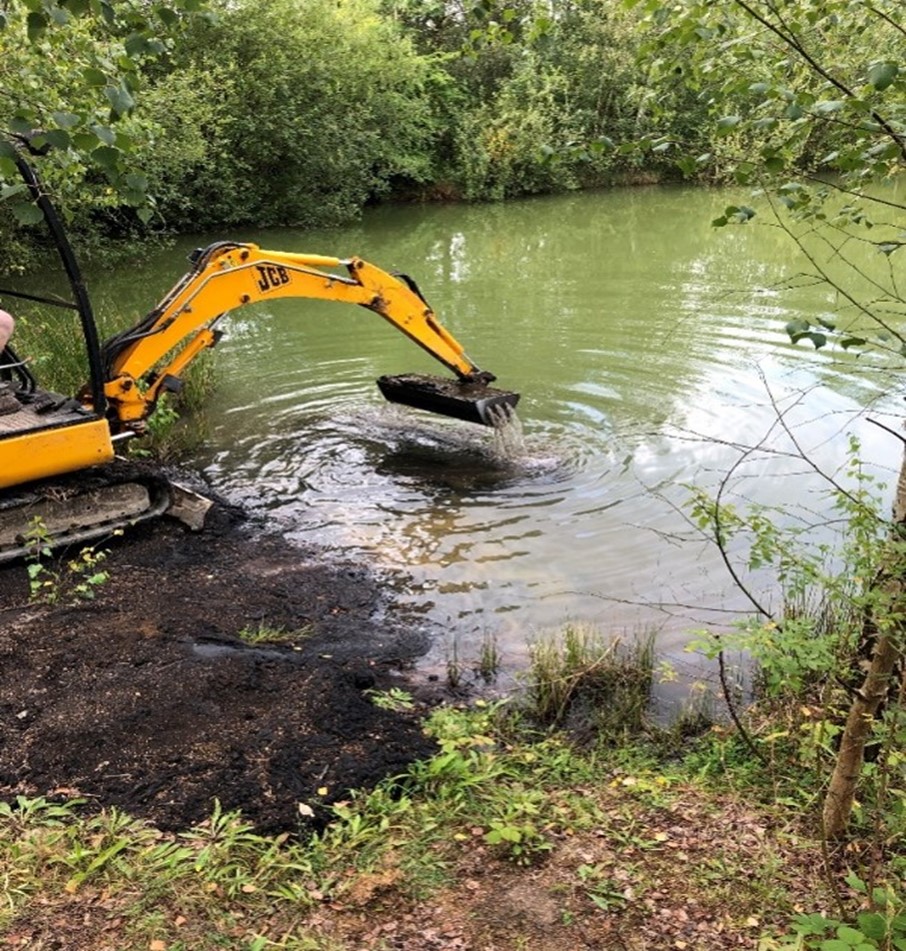

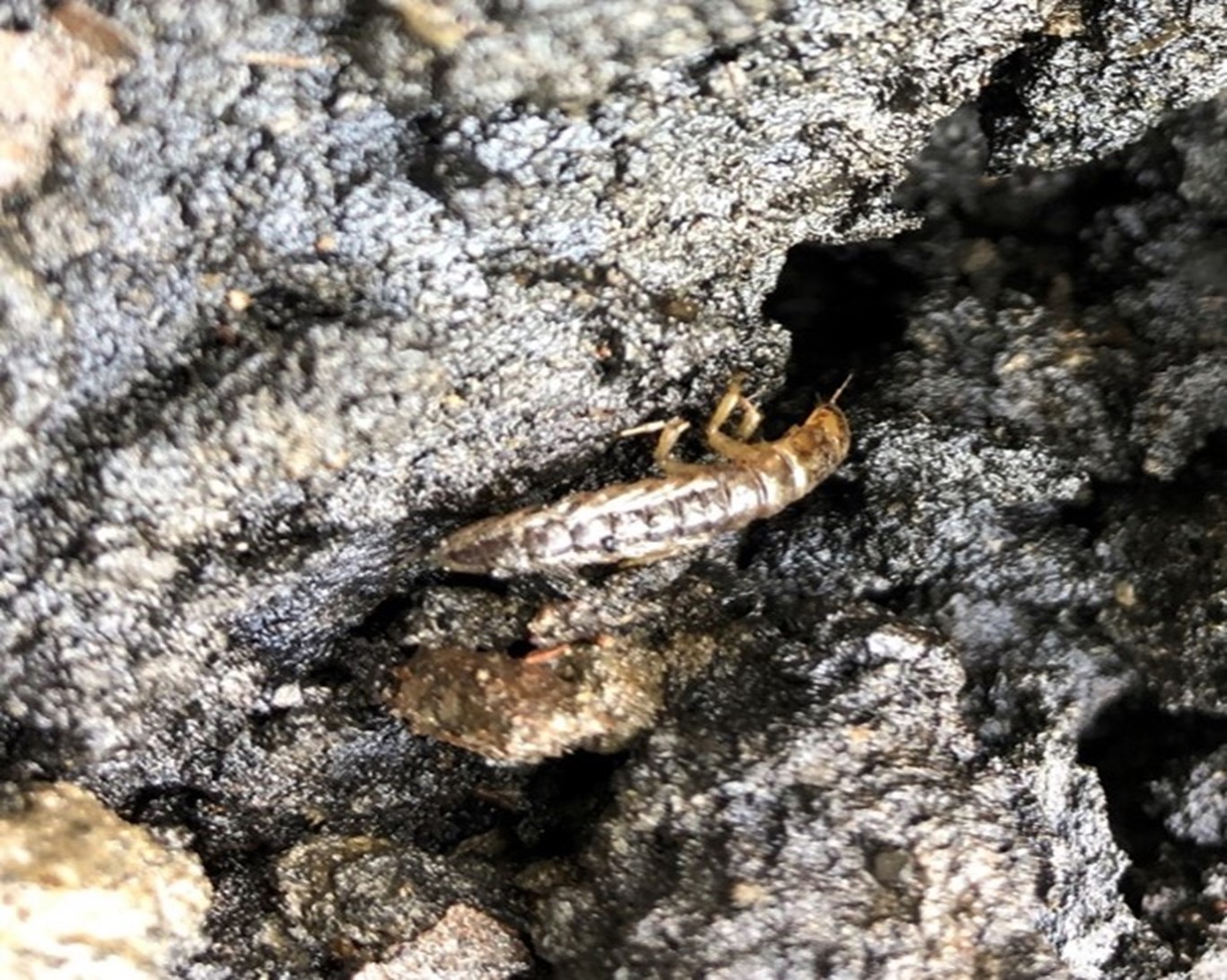


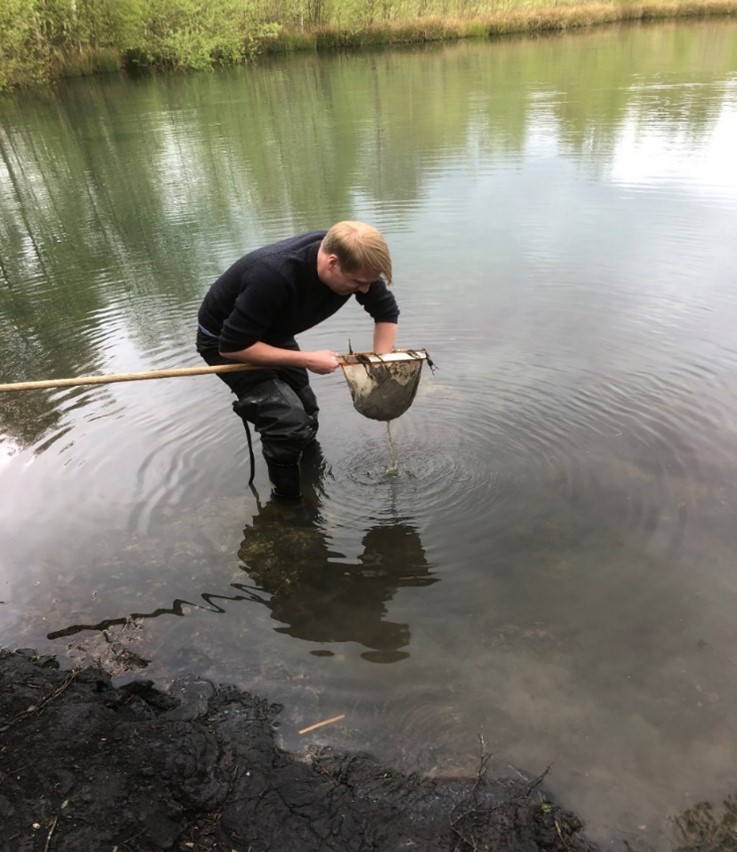
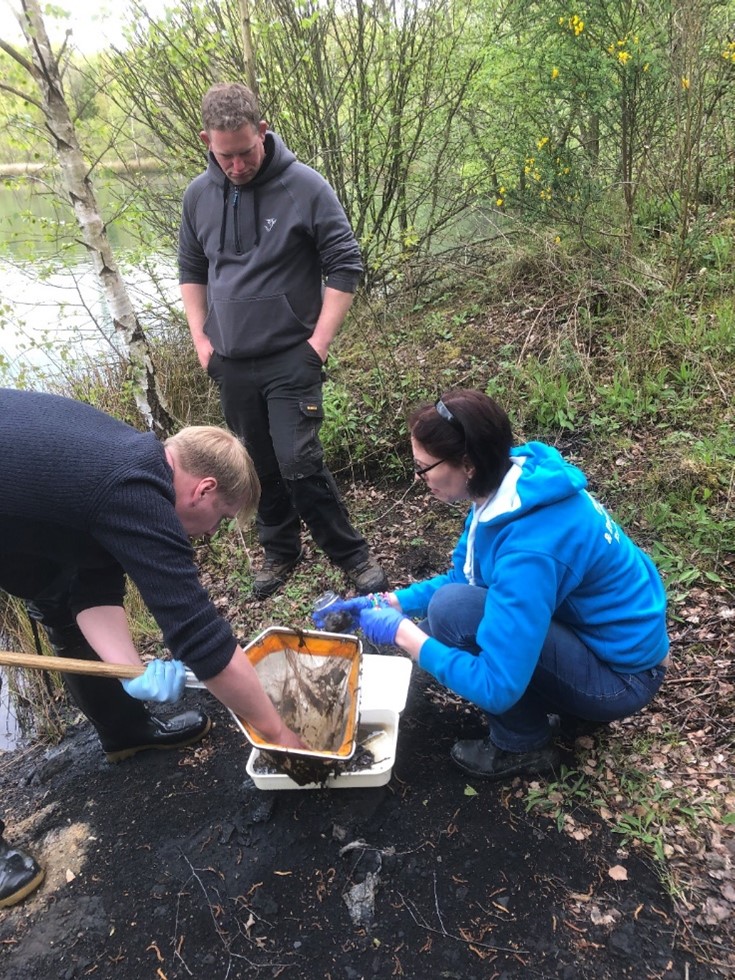
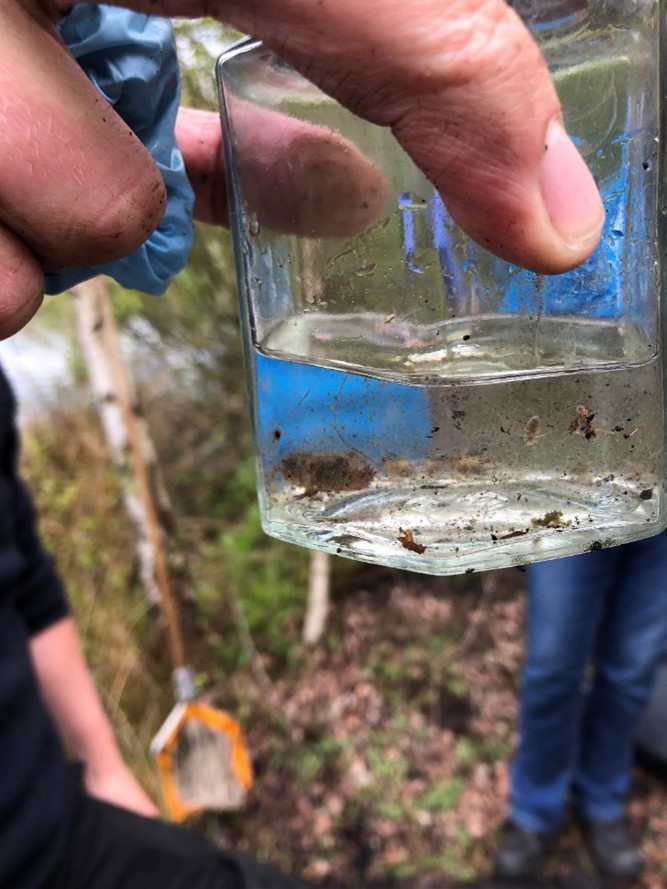



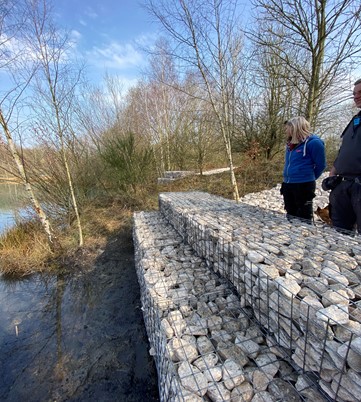
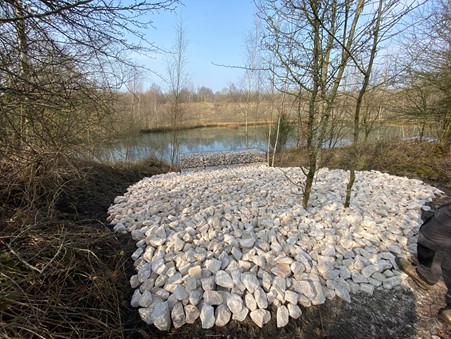
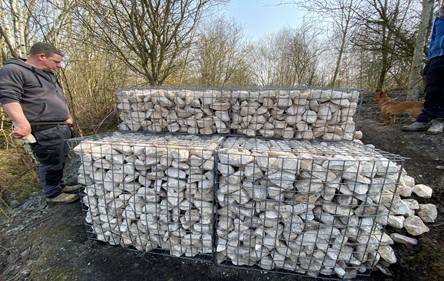
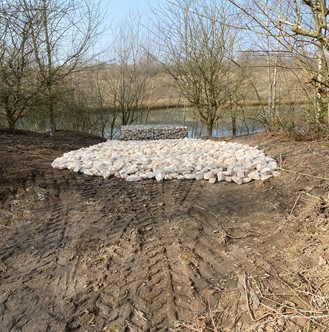
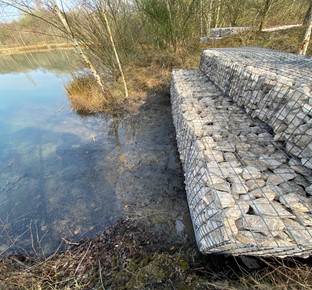
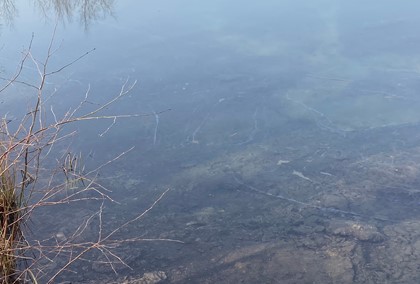
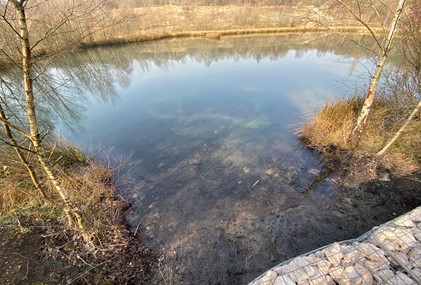
The lake needs to be monitored throughout the spring, bacterial developments, acidity, phosphate loading and invertebrate populations. There are signs of natural establishment of Reed Mace (Typha latifolia). The development of ‘bullrush’ is satisfactory as one marginal addition but an uncontrolled spread is to be avoided. Other marginals and water plants to be placed at a time yet to be established.
Bacteria will be encouraged to stay on the bottom of the lake; at present it rises and falls within the water column depending on barometric pressure, rainwater runoff and temperature. Time of day also appears to have a role to play, possibly daylight/light need?
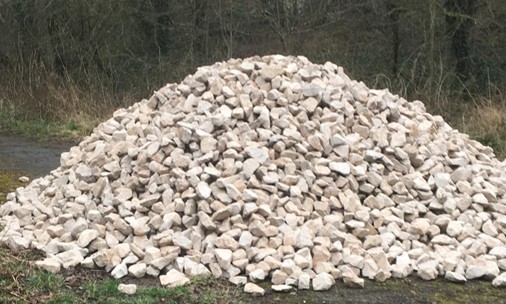
The effect of rainwater draining through the limestone and entering the waterbody will effect the water pH, this will be monitored through the summer of 2022. If the water is still acidic and bacteria are still developing blanket growth an addition of Siltex (Calcium carbonate) will be considered for application during the winter.
This project is supported by a number of bodies and companies including:



Michael Marks Charitable Trust